Muslims and Christians Share The Fasting Month in 2026
The Islamic month of Ramadan and Christianity’s 40-day period of fasting called Lent, stated on 18 February this year
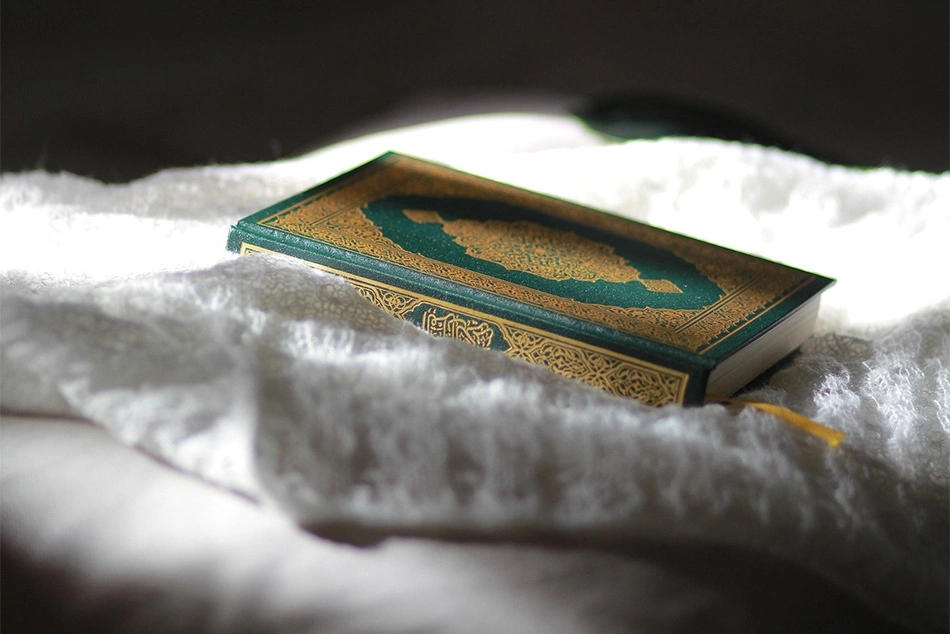
Two largest religions of the world, i.e. Christianity and Islam started their most important period of fasting in a year on the same day this year. This rare convergence comes after a gap of 33 years.
The Islamic month of Ramadan and Christianity’s 40-day period of fasting called Lent, stated on 18 February this year. The last time the convergence happened was in 1993.
Millions of Christians worldwide observe Lent, a 40-day period of prayer, fasting, reflection and sacrifice leading up to Easter, widely considered the most important celebration of the Christian calendar. In 2026, Lent is observed from Wednesday, February 18, to Thursday, April 2.
Beginning on Ash Wednesday, the Lenten period reflects the 40 days that, according to the Bible, Jesus Christ spent fasting in the wilderness before beginning his public ministry. The word “Lent” comes from the Old English word “lencten,” meaning spring.
Similarly, Ramadan the ninth month of the Islamic lunar calendar isobserved by Muslims worldwide as a month of fasting (sawm), prayer, reflection, and community. It is one of the Five Pillars of Islam, marking the time when The Holy Qur`an was revealed to the Prophet Muhammad (PBUH).
For Muslims, beyond physical fasting, Ramadan is a time to refrain from evil thoughts, actions, and behaviours like lying or backbiting, with a focus on self-discipline and increased worship.
Although the traditions and practices of Lent have evolved over time, the core ideas behind it have remained consistent for many centuries. Today, many Christians give up certain luxuries or habits, attend additional worship services and perform acts of charity and service during Lent. The period culminates in Holy Week, which includes Palm Sunday, Maundy Thursday, Good Friday and finally Easter Sunday, the celebration of Jesus’ resurrection from the dead.
The faithful marked the day with food restrictions, fasting, and a commitment to simplicity, purity of thought and extended prayer.
From morning until night, preachers explained messages from the Bible, while ashes were applied on foreheads as a symbol of repentance, humility and mortality.
Traditionally, the ashes are made from burnt palm leaves. It reminds worshippers of the words from Ecclesiastes 3:20:
“Remember that you are dust, and to dust you shall return.”
In fact, just like Ramadan, Lent breaks routine and disturbs comfort, inviting the community to stand before God with humility, and call for repentance.
Abstinence, which is refraining from the consumption of meat, is obliged for Catholics 14 and older. Catholics are obliged to abstain from meat on Ash Wednesday and the Fridays of Lent, including Good Friday.
Universal Church law requires abstinence on all Fridays of the year, but in the United States, Catholics may perform another penance if they choose.Some exceptions apply in particular circumstances.
Additionally, Catholics around the world receive a cross of ashes on their foreheads — a simple gesture with ancient roots. Its history stretches back centuries.Ashes appear repeatedly in the Old Testament as a powerful sign of sorrow and humility:
Book of Job – Job repents “in dust and ashes” (Job 42:6). Second Book of Samuel – Tamar places ashes on her head in grief (2 Samuel 13:19). Book of Esther – Mordecai and the Jewish people wear sackcloth and ashes (Esther 4:1–3). Book of Daniel – Daniel prays with fasting, sackcloth and ashes (Daniel 9:3). Book of Jonah – Even the king of Nineveh sits in ashes in repentance (Jonah 3:6).
Ashes were a cultural expression of mourning and repentance across the ancient Near East. They symbolised mortality, sorrow for sin, and dependence on God.
In the ancient world (including Mesopotamia, Canaan, and Egypt), people expressed grief by: Sitting in dust or ashes, sprinkling dust on their heads, wearing sackcloth, tearing garments, etc.
Ashes symbolised devastation. After a fire, only ashes remain. To sit in ashes was to say:
“I am reduced. I am broken.”
Though God did not command ashes — but He responded to what they symbolised: a contrite heart. Throughout the Scripture, what matters most is not the ashes themselves but the humility behind them.
In the early Church (around the 4th century), ashes were first used for public sinners who were beginning a period of formal penance before Easter. It marked their desire for reconciliation.
Over time, this sign was extended to all believers, recognising that everyone stands in need of repentance.
The practice became universal in 1091 at the Council of Benevento, when Pope Urban II ordered that ashes be imposed on both clergy and laity at the start of Lent.
This was not an invention, but a formalisation of a growing tradition rooted in Scripture and early Christian life.
In the 20th century, following the Second Vatican Council, the liturgy of Ash Wednesday was revised and clarified in the 1969 Roman Missal under Pope Paul VI.
The practice itself was not newly introduced — it was preserved and given renewed emphasis within the reformed liturgy of Lent.
Thus, no modern pope “invented” Ash Wednesday. Rather, the Church safeguarded an ancient sign and ensured its continued place at the doorway of Lent.
And, the Church adopted ashes for Ash Wednesday — not as superstition, but as a visible sign of inner conversion. Because ashes say what words often cannot:
“I am small. I have sinned. I need mercy.”
The season will continue with key observances: Palm Sunday on 29 March, Maundy Thursday on 2 April, Good Friday on 3 April and Easter Sunday on 5 April.
In essence it would be a good initiative on part of the Islamic Imams and Christian Priests to cover this coincidence in their messages during the holy period of both the faiths. This will definitely help in building bridges and foster coexistence and tolerance, two beliefs, which are scare in current times.
Follow ummid.com WhatsApp Channel for all the latest updates.
Select Language to Translate in Urdu, Hindi, Marathi or Arabic