How to Transform Vehicle Images into Dynamic Scenes
Dreamina, running on its most advanced video generation model, Seedance 2.5, gives dealerships, brands, and enthusiasts a way to make that shift without a full production shoot. Read More Here
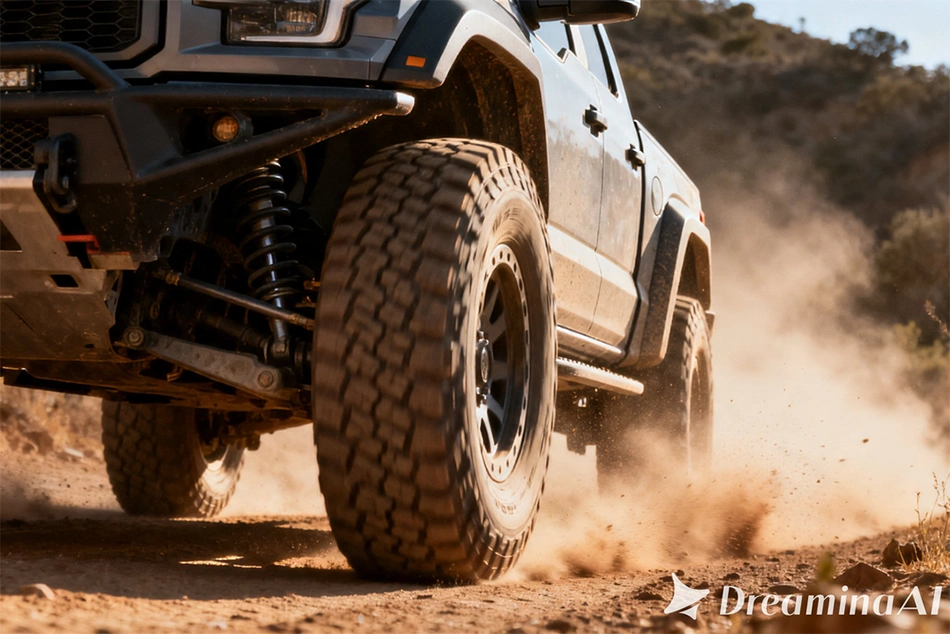
A well-shot photo of a car or motorcycle can look sharp, but it's still just parked there, no matter how good the lighting is. Vehicles are built around speed, power, and motion, and a still image can only hint at what that actually feels like. This is exactly where image to video tools make a real difference, taking a parked, static vehicle photo and placing it into a scene where it actually moves the way it was designed to. Dreamina, running on its most advanced video generation model, Seedance 2.5, gives dealerships, brands, and enthusiasts a way to make that shift without a full production shoot.
Why a parked vehicle photo undersells itself
A vehicle's entire design language, the curve of the body, the stance, the aerodynamics, is built around implied motion, even when it's standing still. A photo captures the shape but not the intent behind it. Motion is what finally lets that design language do what it was engineered to do, translating a designer's intent into something viewers can actually feel.
Characteristics of a good vehicle video
Some characteristics of a good vehicle video include:
- The camera moves like a real movie with an automobile, such as tracking low from the front of the vehicle
- Good lighting that bounces off the paint of the vehicle and its body lines
- A feeling of motion or speed, even in a short clip
- A background that fits the nature of the vehicle, be it urban or rural
Animating your vehicle photograph using Dreamina
-
Step 1: Upload your vehicle photograph and create a prompt
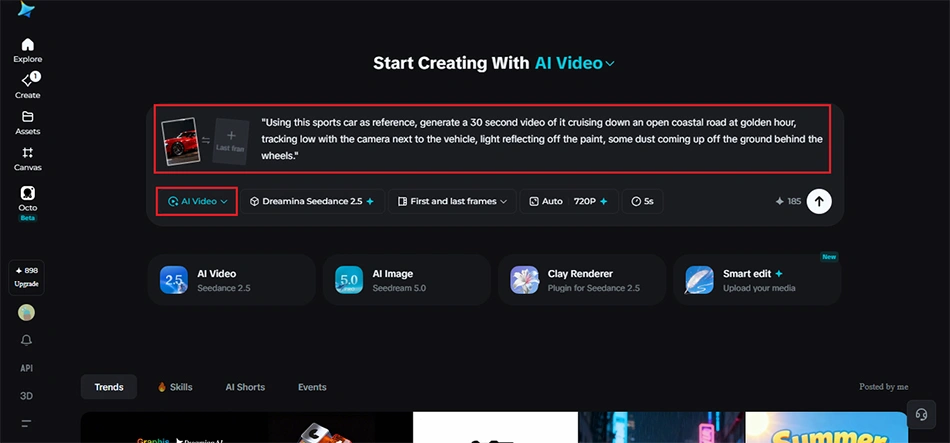
Log in to Dreamina and go to the "AI Video" section. From there, click on "Add reference image" to upload the photo of your vehicle and write a prompt for it.
For a 30-second output, you may consider writing: "Using this sports car as reference, generate a 30-second video of it cruising down an open coastal road at golden hour, tracking low with the camera next to the vehicle, light reflecting off the paint, some dust coming up off the ground behind the wheels."
-
Step 2: Generate with Seedance 2.5
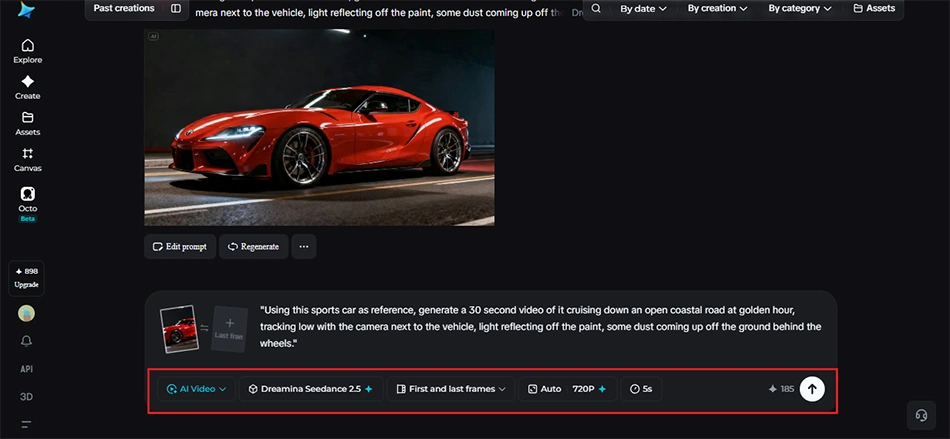
Select the Seedance 2.5 model, choose your video length, then pick an aspect ratio — 16:9 for a dealership website or YouTube, 9:16 for social ads and Reels. Click Dreamina's generate icon and let the vehicle come to life.
-
Step 3: Refine and export your final video
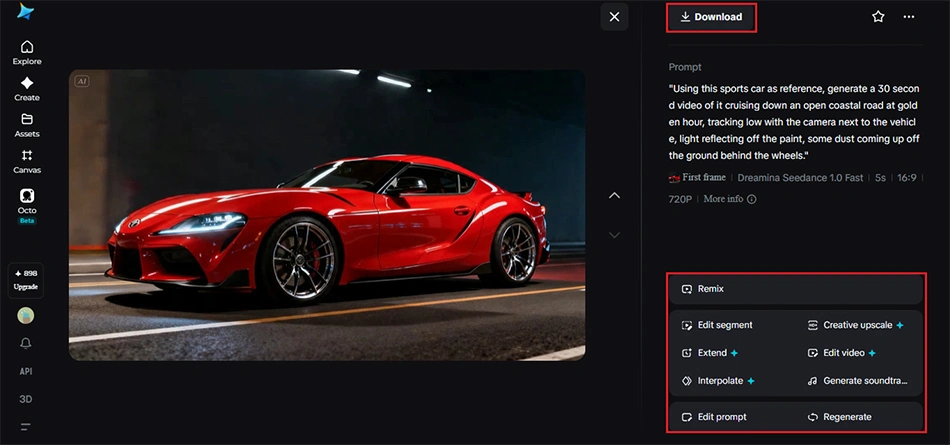
Use Dreamina's editing tools to polish the result — Upscale for a sharper, more premium finish, Generate Soundtrack for an engine-forward or ambient audio layer — then export and use it across your listings or campaign.
What Seedance 2.5 brings to vehicle motion
Seedance 2.5, Dreamina's most advanced video generation model, is well suited to the kind of controlled, high-impact motion vehicle content depends on.
Speed that carries real weight
Impact and momentum rendering gives speed and movement real physical weight, so acceleration and cornering feel grounded rather than floaty or artificial.
Clear positioning during dynamic shots
Spatial coherence keeps the vehicle's positioning clear even during dynamic camera moves, which matters when a tracking shot or fast pan is part of the scene.
Room for a full driving sequence
Extended duration up to 180 seconds in Ultra-long mode gives a full driving sequence room to unfold, rather than compressing it into a short loop.
Realistic reflections and quick fixes
Comprehensive quality improvements reduce the flat "AI look" and add realistic reflections and texture, and local editing allows a single detail, like a badge or plate, to be adjusted without regenerating the whole scene.
Writing prompts that respect the vehicle's design
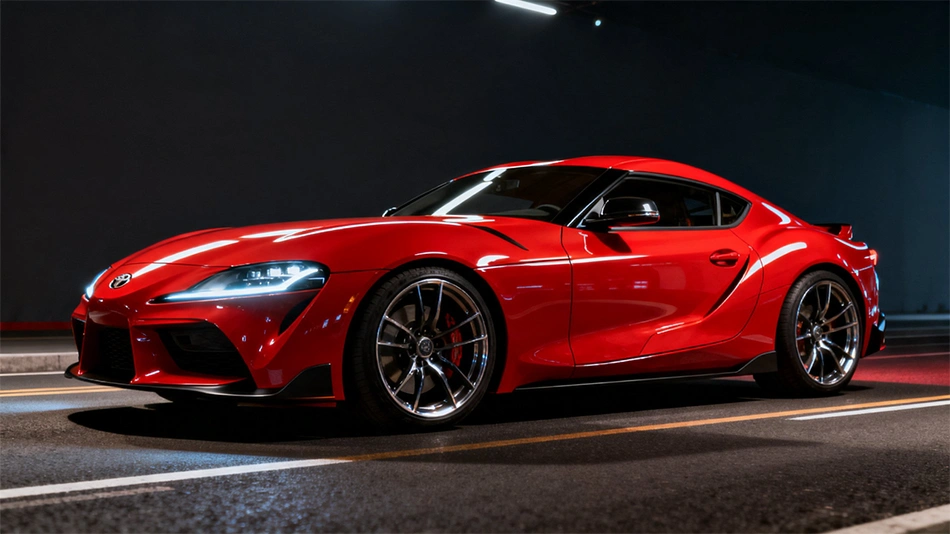
Describing the specific setting, camera angle, and lighting style, coastal road, low tracking shot, golden hour, gives the model a much clearer target than a general "car driving" prompt, and tends to produce a result that matches the vehicle's actual character.
Choosing the right format for your audience
A wider, horizontal format works well for a dealership listing or brand film where viewers expect a more cinematic pace, while a vertical version suits fast-moving social ads meant to be seen in a few seconds while scrolling.
Taking into account the target demographic of the vehicle
In many cases, the family SUV, sports car, and work truck would be targeted at completely different markets, and that should be reflected in the motion style used. The smoother and calmer motion is more appropriate for a practical family vehicle, while the faster one suits the target demographic of the performance-oriented vehicle. It is better to consider the target market before developing the motion style prompt, as it would be more accurate for that particular vehicle.
Mistakes that weaken a vehicle animation
A few habits tend to undercut the final result:
- Using a low-resolution or poorly lit source photo as the reference
- Overloading the prompt with too many simultaneous camera and lighting changes
- Ignoring the vehicle's actual style, producing motion that doesn't match its personality
- Choosing a setting that clashes with the vehicle's purpose, like a rugged off-roader on a polished city street
Where animated vehicle content gets used
This format shows up regularly in dealership marketing, brand launch campaigns, enthusiast social content, and paid advertising, where a vehicle in motion consistently draws more engagement than the same vehicle sitting still in a parking lot. Smaller dealerships have found it a practical way to compete with the polished campaigns of larger manufacturers.
A parked vehicle photo was always hinting at something faster, it just needed somewhere to actually go. With Dreamina and the motion precision behind Seedance 2.5, that vehicle can finally hit the road it was designed for, without needing a closed track or a full film crew to prove it.
Follow ummid.com WhatsApp Channel for all the latest updates.
Select Language to Translate in Urdu, Hindi, Marathi or Arabic