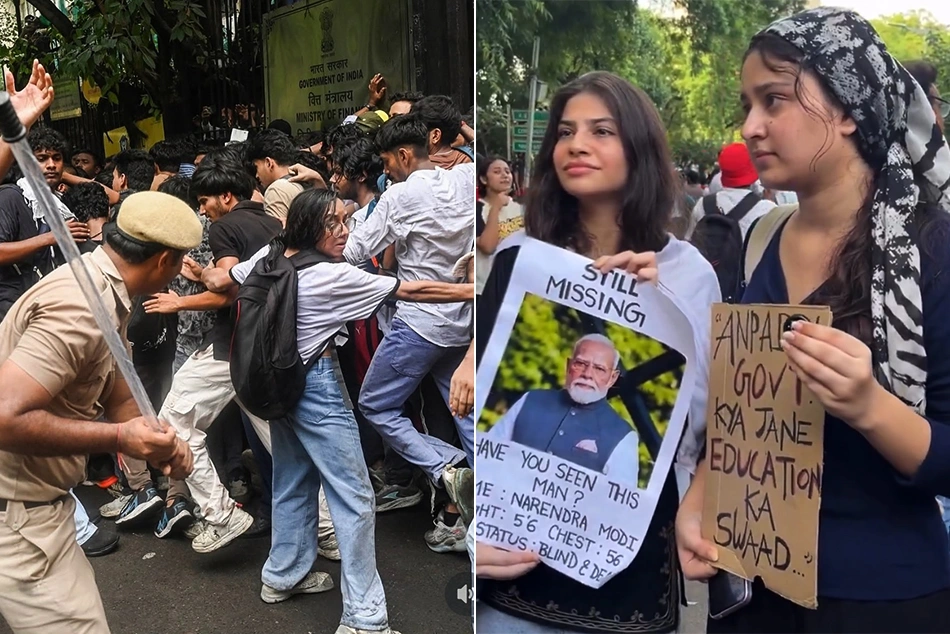
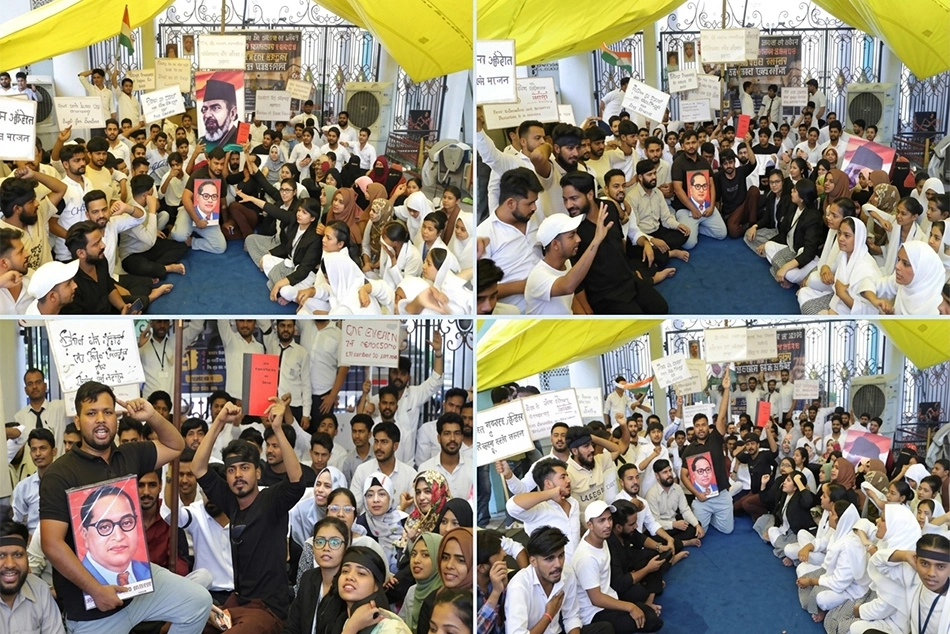
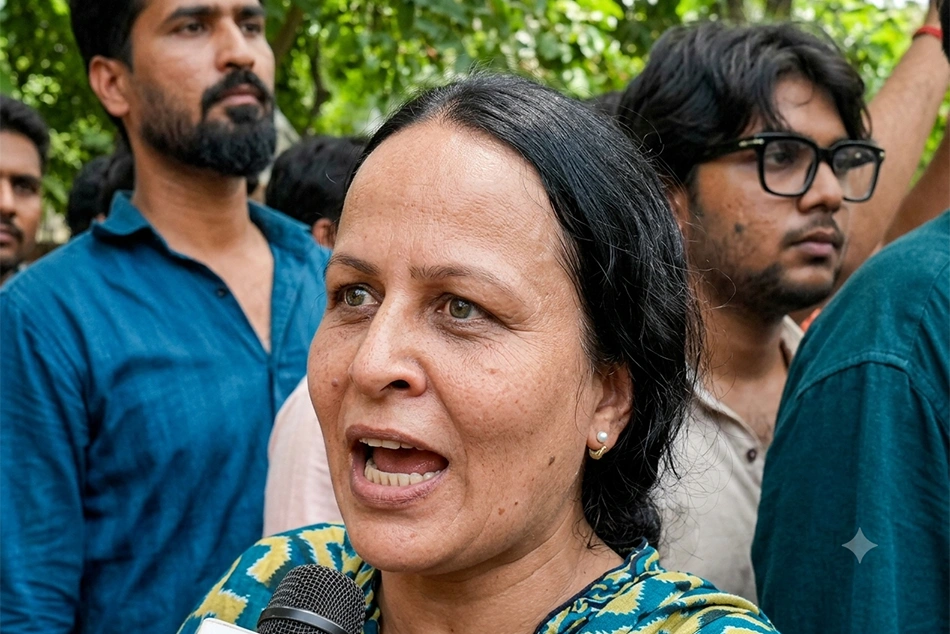
What did Jantar Mantar Protest actually change?
A resignation can establish political accountability, it cannot repair an examination system, compensation can acknowledge suffering, it cannot prevent another leak, and a task force can propose reform, its credibility will ultimately depend on implementation
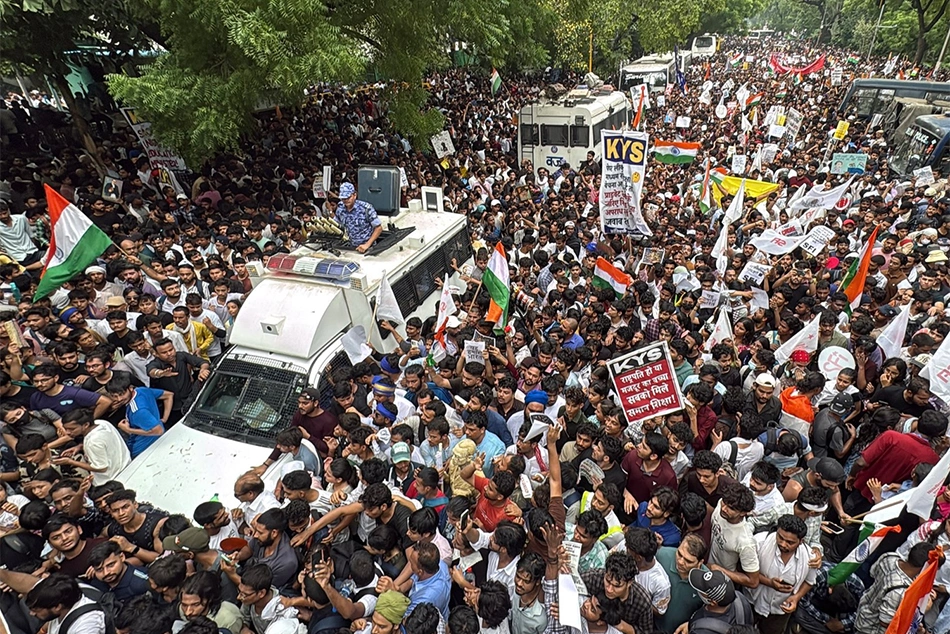
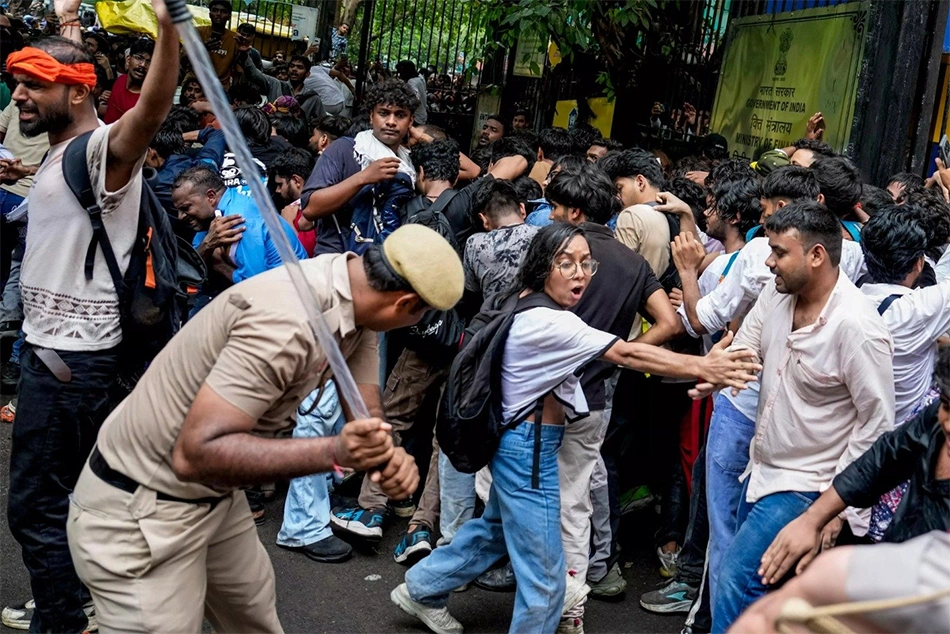
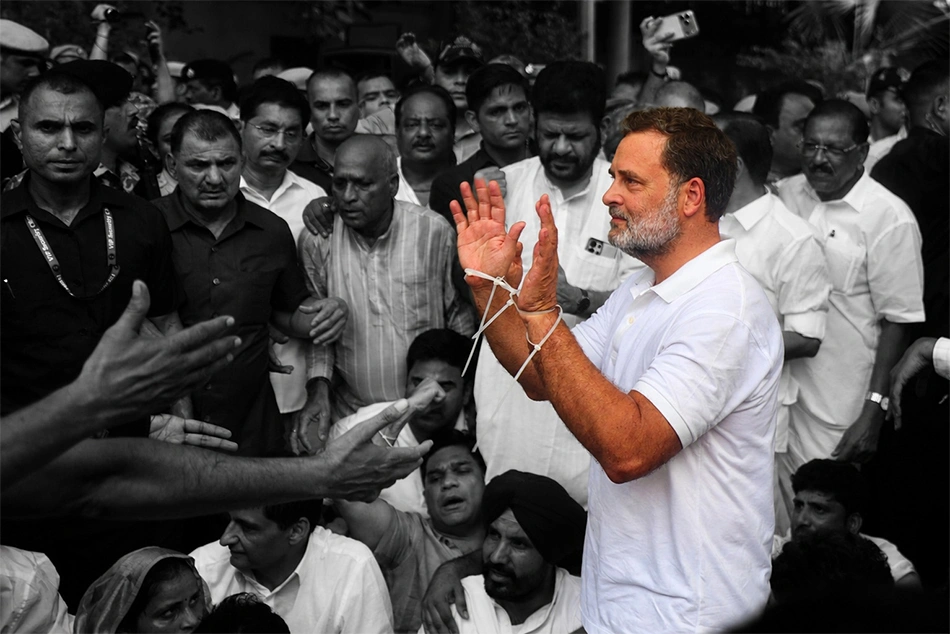
The crowds have left Jantar Mantar. The agitation has been called off. Its principal political demand has been met. But the end of a protest is often when the more consequential question begins:
What did it actually change?
For weeks, Desh Ki Tabaahi Ka Hisaab Dijiye provided a soundtrack to the anger surrounding the NEET-UG paper-leak controversy. From Jantar Mantar, it travelled to Instagram reels and protest videos, converting a complicated examination crisis into an emotionally direct demand for accountability.
Its journey offers a useful lens into the changing grammar of protest in India.
Competitive examinations, such as NEET, are particularly combustible terrain because they rest on an implicit contract. Students accept extreme competition, scarce seats and unforgiving outcomes on one fundamental assumption:
Everyone competes under the same rules.
A paper leak ruptures that assumption. The damage, therefore, goes beyond an examination. It erodes trust in the institutions responsible for protecting merit. That explains the intensity of the agitation. But its trajectory reveals something equally important about contemporary dissent.
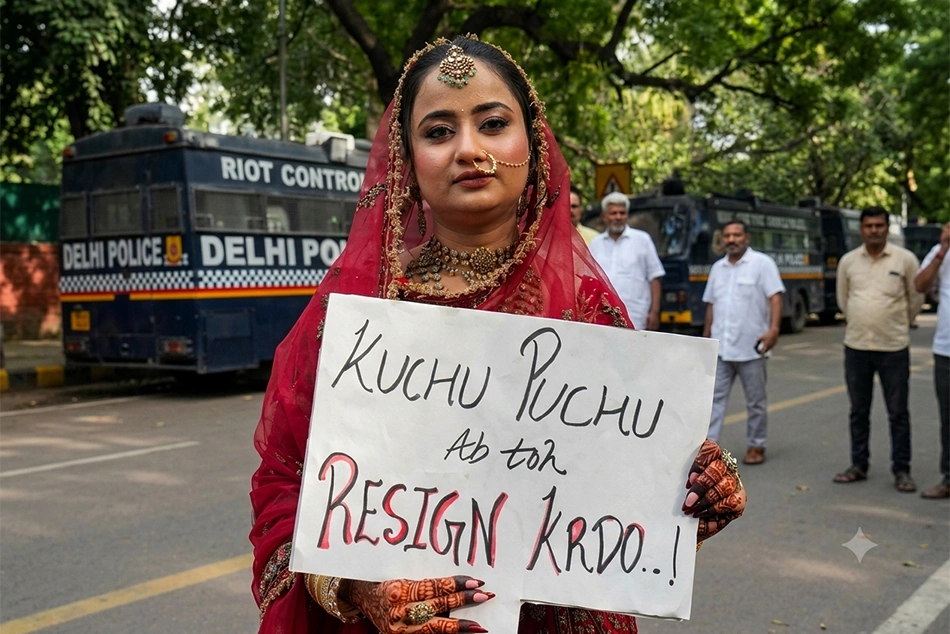
Protest today operates simultaneously on the street and the screen. Jantar Mantar provided the physical centre. Social media expanded its reach. Songs, reels, memes and short videos allowed those far from Delhi to participate in the movement’s cultural and emotional life.
Music proved particularly effective because it compressed complexity. A policy argument requires attention; a refrain requires seconds. Repetition creates recognition, and recognition can create solidarity. If traditional slogans were designed for crowds, contemporary protest increasingly speaks to both crowds and algorithms.
Yet it would be simplistic to conclude that a viral song or social media won the battle. Digital outrage is plentiful; successful mobilisation is not. Hashtags disappear, algorithms move on and online attention frequently produces little institutional consequence.
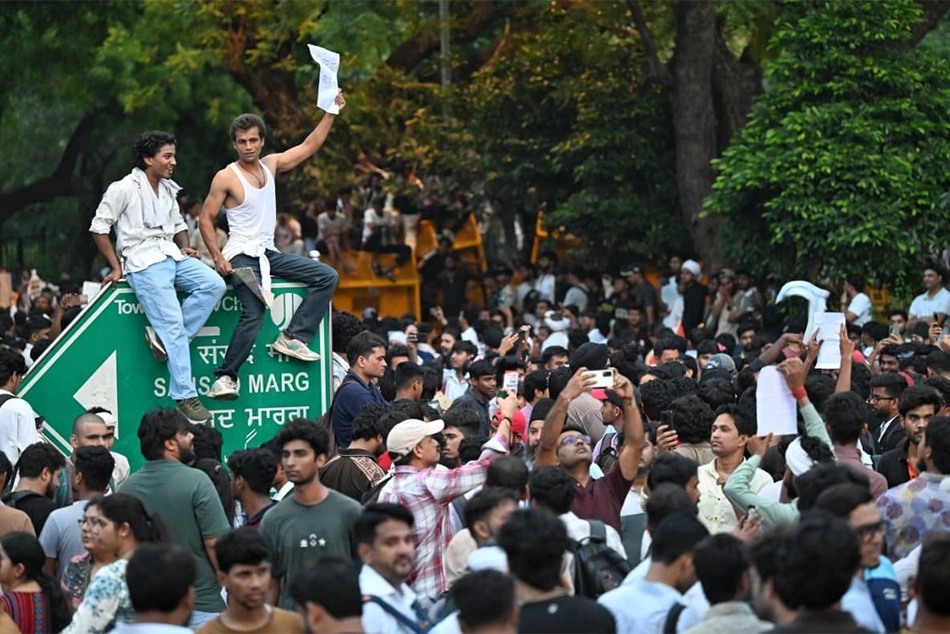
What gave this agitation weight was the combination of digital amplification with sustained physical mobilisation, identifiable demands and negotiation.
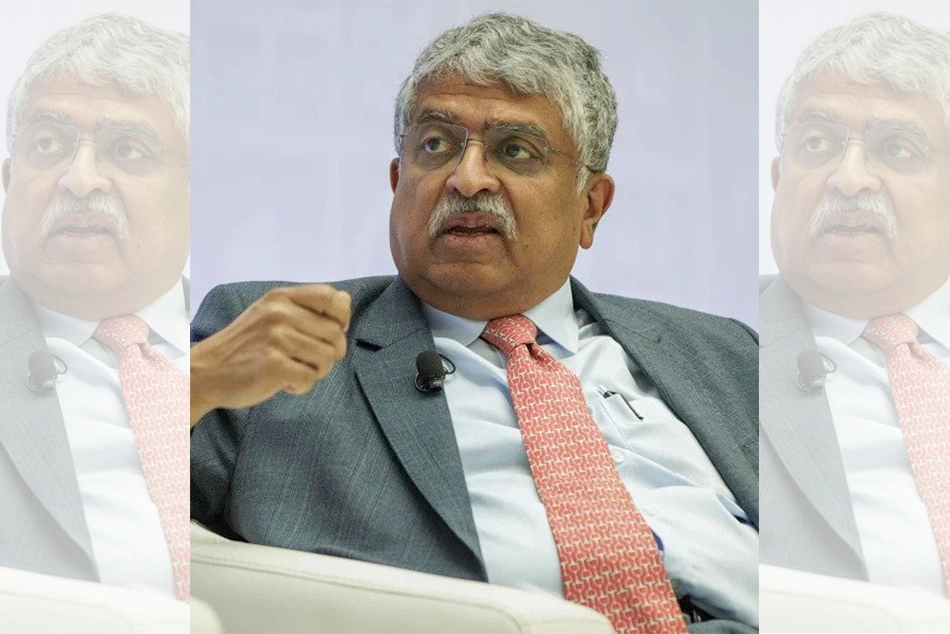
The political response was substantial. Union Education Minister Dharmendra Pradhan resigned, the government agreed to the protesters’ other demands, and the agitation was withdrawn. The subsequent announcement of a high-powered task force on examination reforms, headed by Nandan Nilekani, has now moved the issue from political accountability towards institutional repair.
That is significant. But it is not the same as resolution.
A resignation can establish political accountability; it cannot repair an examination system. Compensation can acknowledge suffering; it cannot prevent another leak. A task force can propose reform; its credibility will ultimately depend on implementation.
The real measure of this movement will therefore emerge after the protesters have gone home.
Can examination security be strengthened? Can breaches be detected earlier? Can accountability become faster and more transparent? Above all, can students once again trust that merit will be protected?
There is a broader democratic lesson here.
Technology has changed the instruments of dissent, but not its fundamentals. A smartphone can amplify a grievance; it cannot substitute for organisation. A song can create solidarity; it cannot replace negotiation. A viral campaign can attract attention; institutions must still deliver change.
Desh Ki Tabaahi Ka Hisaab Dijiye helped anger find a chorus. The movement helped turn that chorus into political consequence. What follows will determine whether consequence becomes reform.
An anthem can help a movement find its voice. Only institutional change can ensure that another generation does not have to sing the same song.
[The writer, Dr Ravi Chaturvedi, is a Media Professional and Academician who has taught at an institution affiliated with Guru Gobind Singh Indraprastha University, New Delhi. He writes on media, education and contemporary public affairs.]
Follow ummid.com WhatsApp Channel for all the latest updates.
Select Language to Translate in Urdu, Hindi, Marathi or Arabic