When Indian Television News Collapsed
It is time to say goodbye — not merely to oversized television screens, but also to the era of infamous prime-time anchors whose theatrical performances too often eclipsed journalism itself.
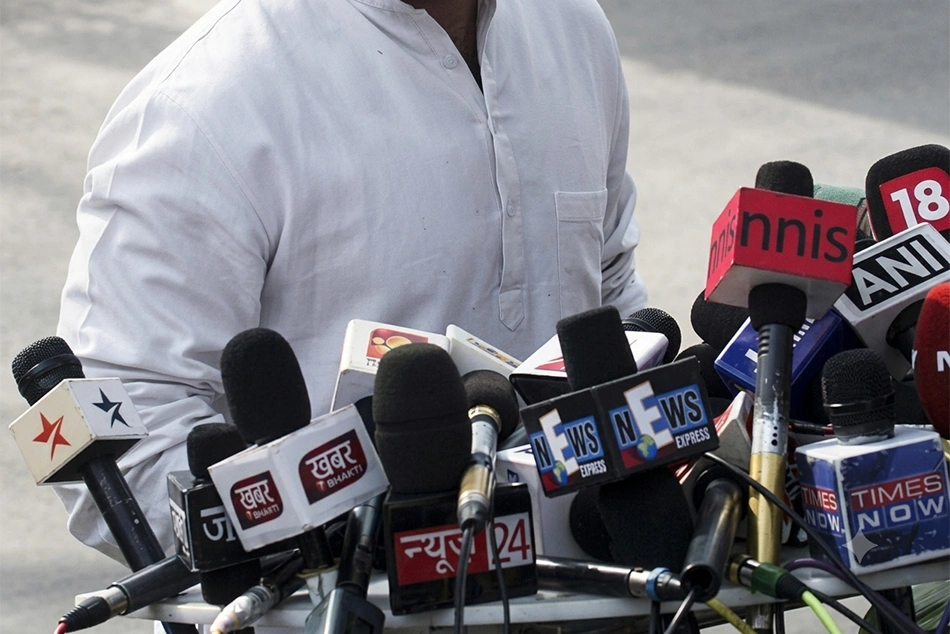
July 2026 may well be remembered as a watershed moment in the history of Indian media. For students and scholars of Humanities, Media Studies, Political Science, Sociology, and Communication, this month could come to represent the point where the collapse of Indian television news ceased to be a prediction and became a visible reality.
It is noteworthy that India ranks 157th out of 180 countries in the 2026 World Press Freedom Index published by Reporters Without Borders (RSF). The country's decline from 105th place in 2014 to 151st in 2025, and further down to 157th in 2026, is astonishing. India now ranks behind several of its neighbours, including Nepal (87th), Sri Lanka (134th), Bhutan (150th), Bangladesh (152nd), and Pakistan (153rd).
The transformation itself did not begin in 2026. It has been unfolding steadily since around 2019.
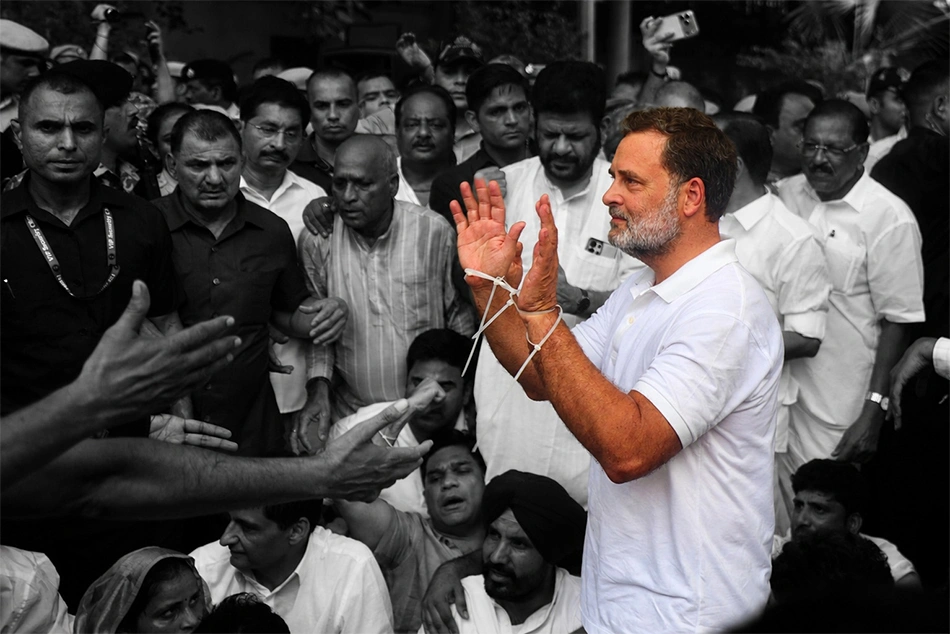
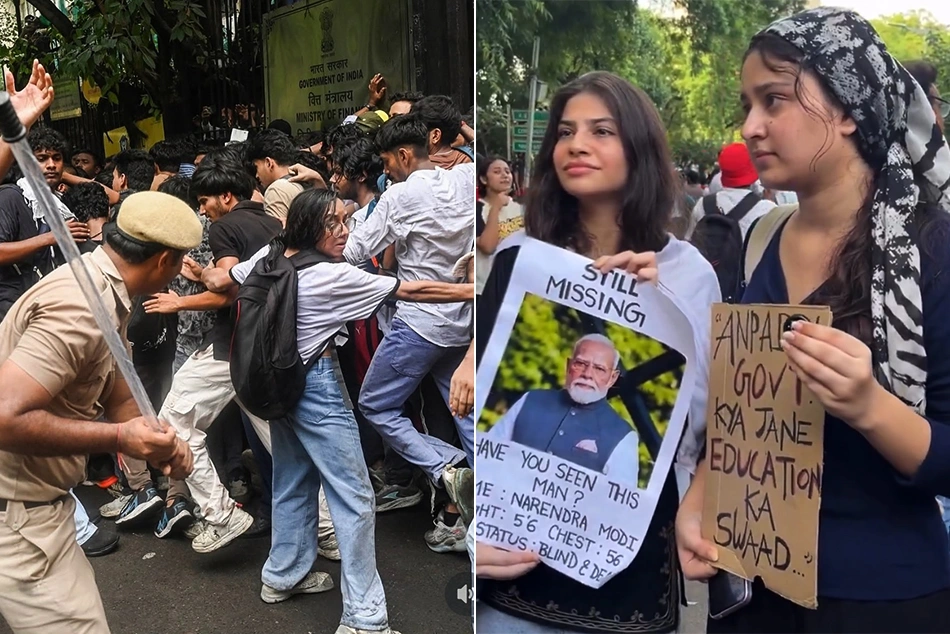
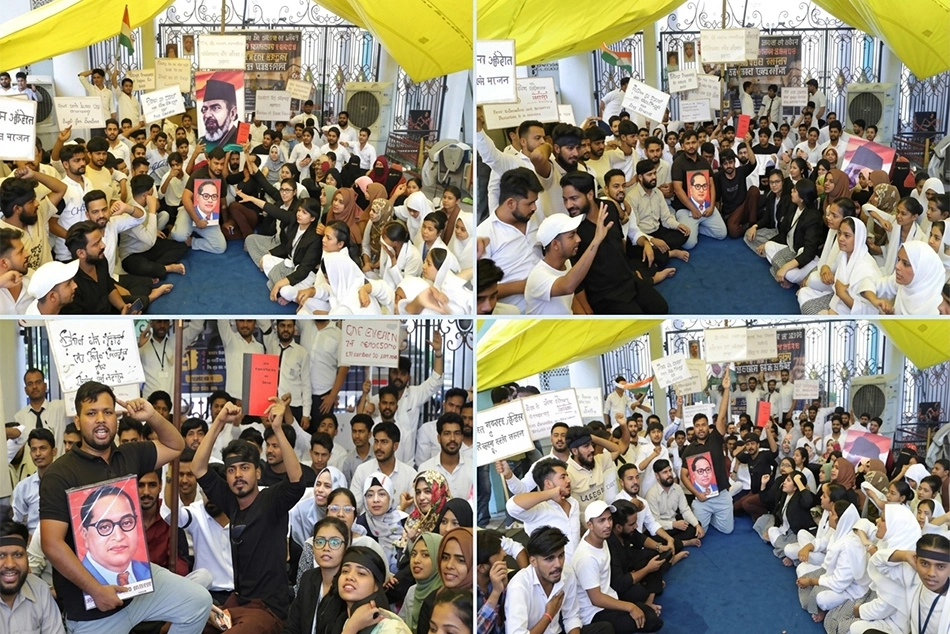
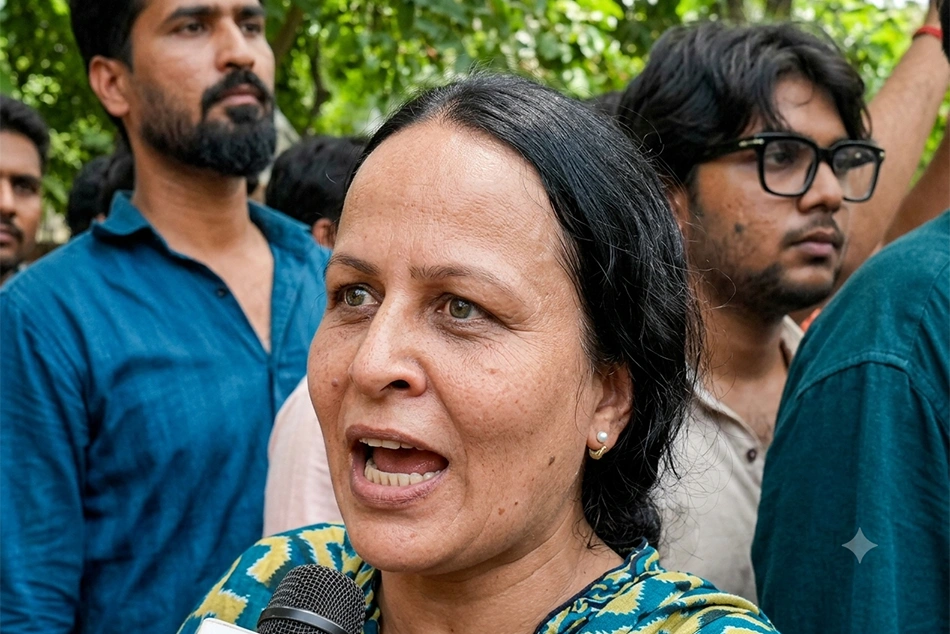
Yet, until recently, there was no unmistakable public indicator by which one could measure this historic shift. The nationwide CJP/Students' protests and their extraordinary ability to shape public opinion and influence governmental responses have, in my opinion, provided the missing evidence needed to measure this collapse. They demonstrated that a substantial section of India's population no longer turns to television news channels for information, analysis, or political direction. The digital sphere has replaced television as the principal arena where narratives are created, debated, challenged, and amplified.
In 2019, I wrote a detailed article predicting that within ten to fifteen years television news in India would gradually suffer the same fate as the print media — losing its position as the nation's primary source of information. I believed the transition would be slow and evolutionary. Instead, it has arrived years earlier than I had anticipated.
The developments of 27 July 2026 further strengthened this conclusion. One of India's major media houses reportedly laid off around 125 employees, including editors, news anchors, camera personnel, production staff, and even drivers, citing declining revenues.
Similar restructuring, downsizing, and, in some instances, the closure of television news operations can be witnessed across large, medium-sized, and smaller media organisations. Individual companies may recover, but the direction of the industry appears increasingly difficult to reverse.
Also Read: Stampede of the Indian Media
The rise of Artificial Intelligence (AI) has dramatically accelerated this transition. AI-powered search, recommendation engines, automated content creation, instant translation, summarisation, and personalised news delivery have transformed both journalism and news consumption. When combined with the speed and accessibility of digital platforms, AI has made scheduled television bulletins appear increasingly slow, rigid, and detached from the expectations of modern audiences.
Equally significant has been the generational transformation. Generation Z, raised in the digital age, is independent in thought, quick to absorb information, and instinctively sceptical of traditional gatekeepers. News is no longer something they wait to receive at fixed hours; it is something they discover, verify, debate, and redistribute in real time. Supporting this transition is Generation X, a generation that has repeatedly demonstrated its willingness to embrace technological change rather than resist it. Together, these generations have fundamentally reshaped the media landscape.
The conclusion is becoming increasingly evident: the future of journalism belongs not to the biggest television screens but to the smallest and smartest digital screens. The smartphone has become the newsroom, the television studio, the newspaper stand, and the public square—all at once.
The economic consequences have been equally profound. Advertising revenues that once sustained newspapers and television channels have steadily migrated to digital ecosystems dominated by Facebook, Instagram, YouTube, Google, and other online platforms. The very financial foundation upon which television news channels were built has weakened year after year.
Also Read: Media and Muslims: Fact and fiction
The deeper and more consequential collapse has been the collapse of media credibility. In pursuit of sensationalism, hyper-partisanship, theatrical debates, politically prejudiced anchoring, and personality-driven programming, large sections of Indian television journalism drifted away from the timeless principles of the profession—accuracy, fairness, editorial independence, verification, balance, and accountability. In doing so, they gradually squandered the trust of their viewers. Once trust collapsed, viewership followed. As viewership declined, TRPs fell. As TRPs fell, advertising revenues shrank. The collapse of business was merely the consequence; the collapse of credibility came first.
It is this convergence of forces — the rise of Digital Media, the unparalleled power of Artificial Intelligence, shifting advertising economics, changing generational behaviour, and the industry's own loss of public confidence — that has, in my assessment, delivered the final nail in the coffin of Indian television news as the country's dominant news medium.
History reminds us that no communication technology enjoys permanent supremacy. Radio surrendered its dominance to television. Fax machines disappeared with the rise of the internet. Print newspapers lost their monopoly in the digital age. Television news now appears to be entering the same chapter of history, gradually finding its place in museums alongside earlier communication technologies.
It may, therefore, be time to say goodbye — not merely to oversized television screens, but also to the era of infamous prime-time anchors whose theatrical performances too often eclipsed journalism itself. They may continue to exist for some time, but their influence is steadily fading. Future generations may encounter them where they now encounter valve radios, VCRs, and fax machines: as exhibits in museums of communication history, remembered more as symbols of a passing age than as architects of the future.
Whether one welcomes this transformation or mourns it, one conclusion is becoming increasingly difficult to escape: the future of news will not be transmitted from lavish television studios. It will be created on smart digital screens, powered by Artificial Intelligence, driven by social media, and shaped by a generation that refuses to consume information on anyone else's terms.
[The writer, M. Burhanuddin Qasmi is Editor, Eastern Crescent, Mumbai.]
Follow ummid.com WhatsApp Channel for all the latest updates.
Select Language to Translate in Urdu, Hindi, Marathi or Arabic