India After July 2026 Gen Z Protests
Can we expect a democratic resistance and change of the dispensation from an autocratic one to democratic one, the one upholding Indian Constitution and values secularism, democracy and inclusive nationalism?
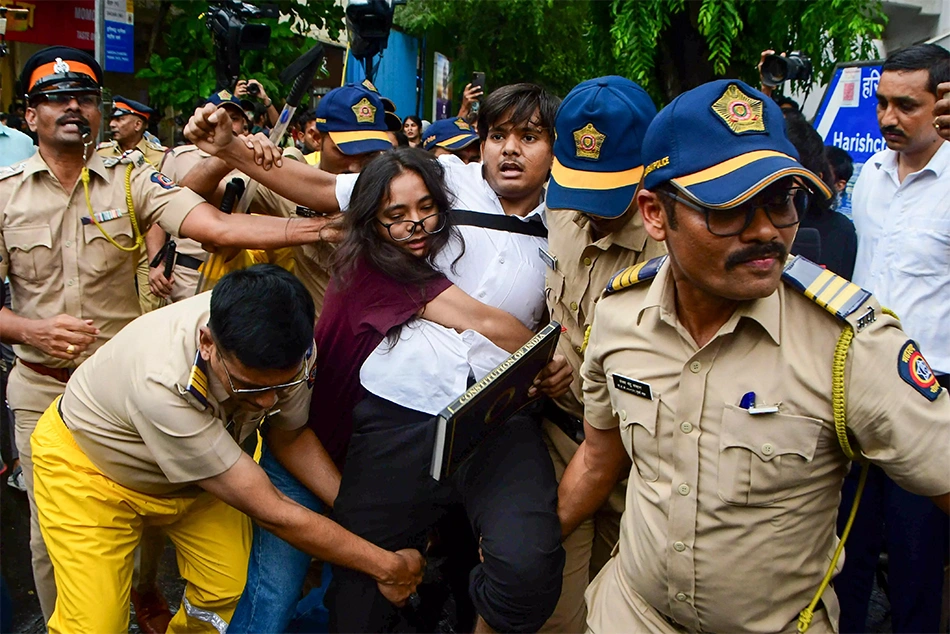
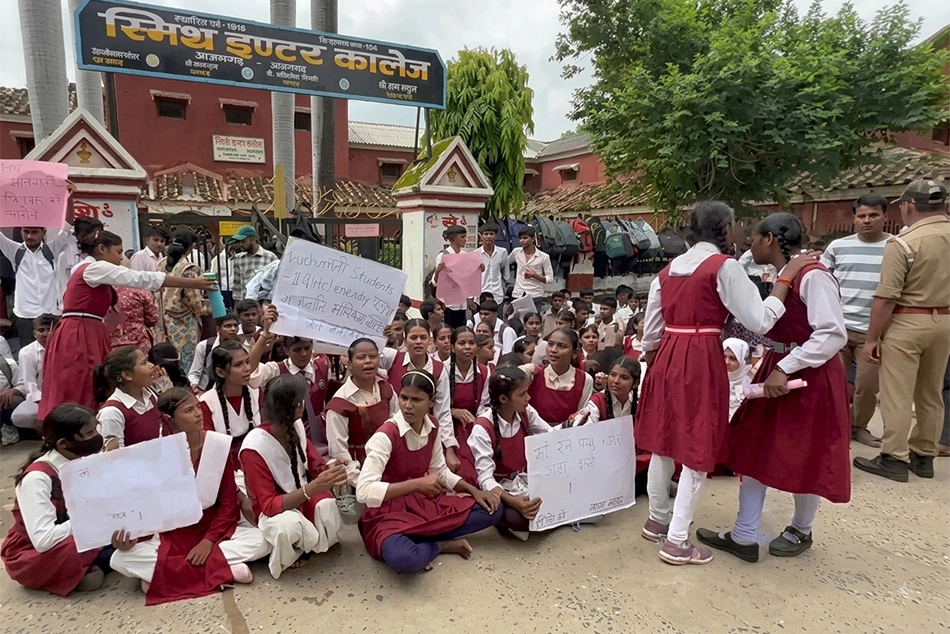
The multiple protests at Jantar Mantar have shaken our body politic to no end. While the Cockroach Janta Party (CJP) precipitated the series of protests, the underlying resistance to the government suppression was very much painful to the society.
While the protests had the face of paper-leaks, serious lapses in the social-political system were the foundation on which these protests took the form we witnessed. The orders of pellet guns and guns brought in an element of total revulsion. The issue was so horrific that the ruling Governments major leaders, PM and HM did not dare to attend the Parliament’s session. They kept hiding behind the make-believe façade of opposition not letting the discussion in the House.
The protests had three vague poles:
- The Cockroaches
- The Left oriented youth
- Congress led protests.
The outcome of the protests was miraculous as the atmosphere of fear created by the regime, which has been at best labelled as ‘elected autocracy’, had snubbed the protests and criticism of government policy by labelling these as Anti National etc. and using their might as and when possible by suppressing the voices of Human rights activists by all means possible.
Umar Khalid and Sharjil Imam being in jail for over six years without trial is the case study to reflect the state of Human Rights in India. The arrest of activists and intellectuals in the Bhima Koregaon case is yet another reflection of the same. The institutional murder of Fr. Stan Swamy shows the nature of cruelty of the system.
After the protests, the pall of inhibition seems to have been lifted. The protests, by what is called Gen Alpha, are spreading at places. While Godi media remains the same, the social media - Instagram, YouTube videos, X (formerly Twitter) and Facebook seem to have come up in their march towards acting as the mirror of the society. The regime, which began by labelling the whole spectacle as being sponsored by anti national, terrorists, and hurling all their favourite abuses that dictators proffer. The intensity of the spectacle was so strong that the RSS - the parent organisation of the BJP, Bajrang Dal et all changed its language and tried to be champion of upholding protests. Mohan Bhagwt, the RSS Chief, went to the extent of organizing a meeting with some 2,000 Gen Zs and preached to them the virtues of democracy.
Interestingly, in this meeting someone asked him as to why the RSS did not hoist the Tricolour for 52 long years after Independence. He diverted the question by spinning the tale of some incident related Tricolour in the Indian Nation Congress convention and wriggled out of the uncomfortable situation. Luckily, there was no one in the audience to ask him as to why they burnt the effigy of Ambedkar.
Anyway, his followers are celebrating it as a great example of democracy. His followers are also telling that places where protests are controlled lead to ‘Grammer of Anarchy’ (The protests which can upset the applecart of the ruling dispensation). One recalls that so far, the major protests against the government policy have been suppressed or bypassed by the RSS progeny.
The farmer’s movement was totally ignored. In this, nearly 600 farmers lost their lives till the Government withdrew the three farm laws for electoral reasons. Case of Shaheen Bagh protest is more painful as the protests were ignored, demonized and communal violence was orchestrated to bypass the Shaheen Baugh protests. One also recalls, the JNU protests were suppressed, demonized (tukde tukde gang) and the attempt to change the nature of the University, converting it into a right-wing den.
As such the ideology of RSS, the one of Hindu Rashtra has no place for democratic ethos where dialogue with dissidents is the norm rather than something to be done when an unavoidable necessity, as in the case of Bhagwat’s attitude this time around. The very concept of Nationalism in the name of religion is totally opposite to democratic ethos. RSS had opposed the democratic Constitution right from beginning as emerging from the feudal remnants of colonial society, it harps on hierarchy at all levels.
While we have been identifying caste and gender hierarchy, the one at economic level is being more manifest is the economic hierarchy in the form of nakedly supporting the Crony capitalists and upper layers of society during the last 12 years in particular. Expecting democratic ethos from such ideologies, from those upholding nationalism is totally wrong.
Can we expect a democratic resistance and change of the dispensation from an autocratic one to democratic one, the one upholding Indian Constitution and values secularism, democracy and inclusive nationalism?
It appears that at present the erosion of democratic institutions and restoration of democratic norms in the society is a big challenge to be combated. The protests which started from Jantar mantar have gripped the whole country as the basic problems of the average people have been suppressed. While lots of winds of fresh air are blowing, the deeper rot brought in by the Hindu nationalists runs much deeper.
The hate against Muslims and Christians has become fairly well rooted. The infiltration of RSS pracharaks (propagators) is very deep, as witnessed in Election Commission, ED, CBI, bureaucracy, Police and of course in our universities and teaching institutions. These can be undone but a long process of rooting the Indian culture, which developed here in our palimpsests, (according to Nehru, standing for diverse layers living and interacting in peace) which reached a very admirable peak during India's freedom movement has been totally undermined by the 100 years of RSS work which is reached far and wide, and fairly deep.
It is a matter of great relief that these protests have led in dissipating the atmosphere of fear. It will certainly bind us Indians, the way the freedom movement did. The question which we face in the future is the restoration of political parties’ power which are committed to the Indian Constitution. While appreciating the present atmosphere where one can breathe, hopefully, the challenge remains of combating the communal capture of the state.
The next step is a tough task, but crucial for restoring us to the ‘Idea of India’, which emerged during the freedom movement. One needs to salute the youth who have cracked into an inhibitory atmosphere and also plan for the things to be done at electoral level.
[The writer, Ram Puniyani, is former Professor of IIT Bombay and renowned author.]
Follow ummid.com WhatsApp Channel for all the latest updates.
Select Language to Translate in Urdu, Hindi, Marathi or Arabic