Collapse of Global Trust in Western Diplomacy
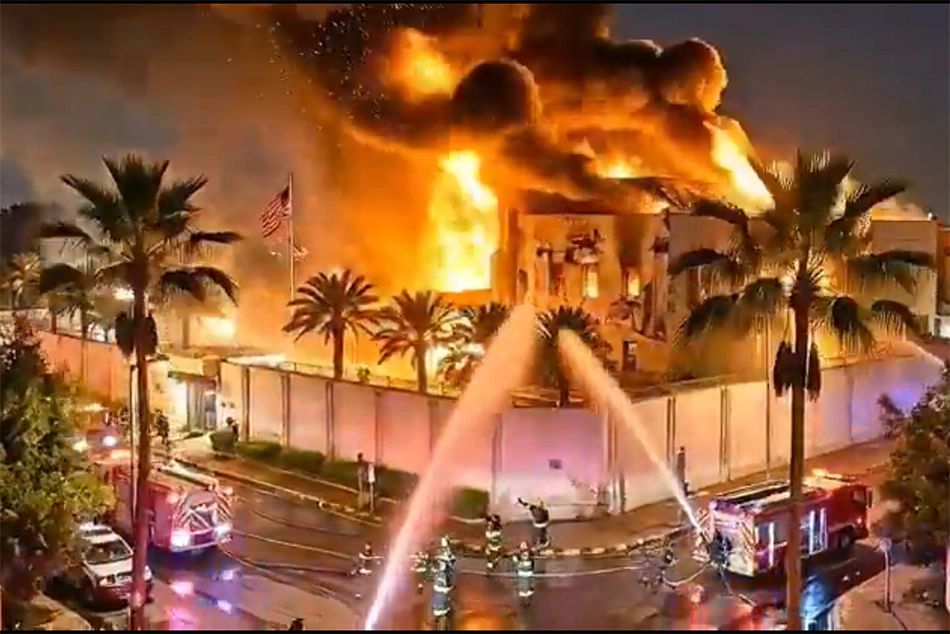
The unfolding war against Iran — driven, in the view of many observers, by the strategic calculations of U.S. President Donald Trump and Israeli Prime Minister Benjamin Netanyahu, has become a defining moment in the collapse of global trust in Western diplomacy.
The unfolding war against Iran — driven, in the view of many observers, by the strategic calculations of U.S. President Donald Trump and Israeli Prime Minister Benjamin Netanyahu, has become a defining moment in the collapse of global trust in Western diplomacy. What was presented as negotiation, de‑escalation, and dialogue now appears as a smokescreen for a long‑planned preemptive strike. Critics argue that Washington’s talks with Tehran were never meant to succeed. The result is not only a devastating regional conflict but also a profound erosion of the credibility of the so‑called “rules‑based international order.”
For much of the world — especially nations in Asia, Africa, and Latin America, the message is unmistakable: powerful states in the Global North, above all the United States, reserve the right to violate the very norms they demand others uphold. The war on Iran is seen as the latest and most dangerous expression of this double standard.
Analysts who have followed the trajectory of U.S.–Israel relations argue that the joint military operations now underway were not improvised reactions but the culmination of months of preparation. The killing of senior Iranian officials including the supreme leader, martyred Ali Khameni, the targeting of nuclear and military facilities, and the synchronized timing of strikes all point, in this interpretation, to a coordinated plan masked behind diplomatic engagement.
The consequences extend far beyond Iran. Countries across the Global South now question whether any negotiation with the United States can be trusted. If dialogue can be weaponized as a prelude to attack, what incentive remains for smaller nations to engage in good‑faith diplomacy?
The Rule‑Based Order in Crisis
The United States and Israel frequently invoke the “rules‑based international system” as the foundation of global stability. Yet both states routinely violate these rules with impunity. Israel remains outside the Nuclear Non‑Proliferation Treaty (NPT), possesses an undeclared nuclear arsenal, and has a long history of preemptive military strikes dating back to 1948. Iran, by contrast, is an NPT signatory, has allowed extensive IAEA monitoring, and has not invaded a neighboring country for centuries. Its religious authorities have declared nuclear weapons forbidden under Islamic law.
The contrast between Iran and Israel on nuclear governance has become impossible to ignore. Recent assessments argue that the U.S.–Israeli attacks on Iranian nuclear facilities risk pushing Tehran to reconsider its NPT commitments altogether, potentially triggering a regional nuclear crisis.
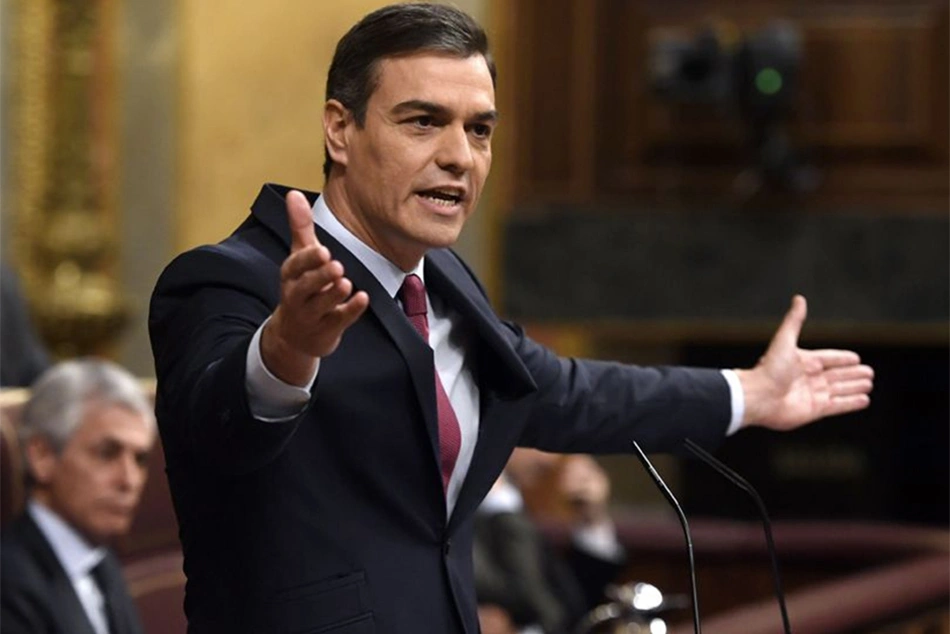
These contrasts fuel widespread anger in the Global South. The latest attack has laid bare what many in the Global South see as the blatant hypocrisy of the United States and its EU partners (minus Spain), whose unwavering defense of Israel—and of their own actions—reveals a pattern of collusion against weaker nations, justified by any narrative necessary to protect their strategic interests.
Across the Global South, the U.S.–Israeli assault on Iran is condemned as illegal, imperial, and destabilizing. China denounced the killing of Iran’s head of state as “unacceptable,” while South Africa and Pakistan rejected the preemptive‑strike justification outright. For many governments and civil societies, the attack confirms a long‑standing belief that the United States and its European partners apply international law selectively—shielding Israel while punishing weaker states. The war is seen not merely as another Middle Eastern conflict but as a vivid demonstration of Western double standards and the collapse of the so‑called rules‑based order.
The “Samson Option”—Israel’s long‑rumored willingness to use nuclear weapons if facing existential defeat—only deepens global alarm. The idea that a non‑nuclear state like Iran could be attacked by two nuclear‑armed powers raises profound ethical and legal questions about proportionality, deterrence, and the future of global security.
Netanyahu’s Impunity and Western Hypocrisy
Arguably, Benjamin Netanyahu is the most sinister and evil individual to ever rule the settler-colonial state of Israel. In spite of facing corruption charges at home and widespread international condemnation for the Gaza genocide, he continues to be welcomed in Western capitals as a key strategic partner. For the Global South, this is not merely hypocrisy but a stark illustration of how leaders accused of grave international crimes are embraced when their actions align with U.S. and European geopolitical interests.
For many observers, the path from Gaza to Tehran marks a single continuum of unchecked aggression—accelerated above all by the failure of major Western powers to restrain Israel during the Gaza genocide. Now, with Lebanon and Iran engulfed in violence, the region faces a multi‑front catastrophe.
For many in the Global South, the message is clear: international law applies only to the weak. Powerful states and their allies operate above the law, shielded by political alliances and veto power at the United Nations.
Washington’s Political Calculus
The United States has been led for decades by presidents whose foreign‑policy decisions have resulted in mass civilian deaths across the Global South, with Jimmy Carter often cited as the lone partial exception. Against this backdrop, Donald Trump’s 2024 campaign pledge to end “forever wars” and reduce U.S. interference abroad was seen by his supporters as a rare break from that violent legacy.
Analysts now say that his decision to launch a major military confrontation with Iran represents a profound betrayal of those anti‑war promises. In their view, Trump has abandoned the restraint he once championed and has instead cemented his place in the same lineage of mass murdering leaders. What made Trump abandon his anti‑war pledge? Was he pulled into line by the immense pressure of the pro‑Israel lobbying networks in Washington that have long shaped U.S. policy in the Middle East?
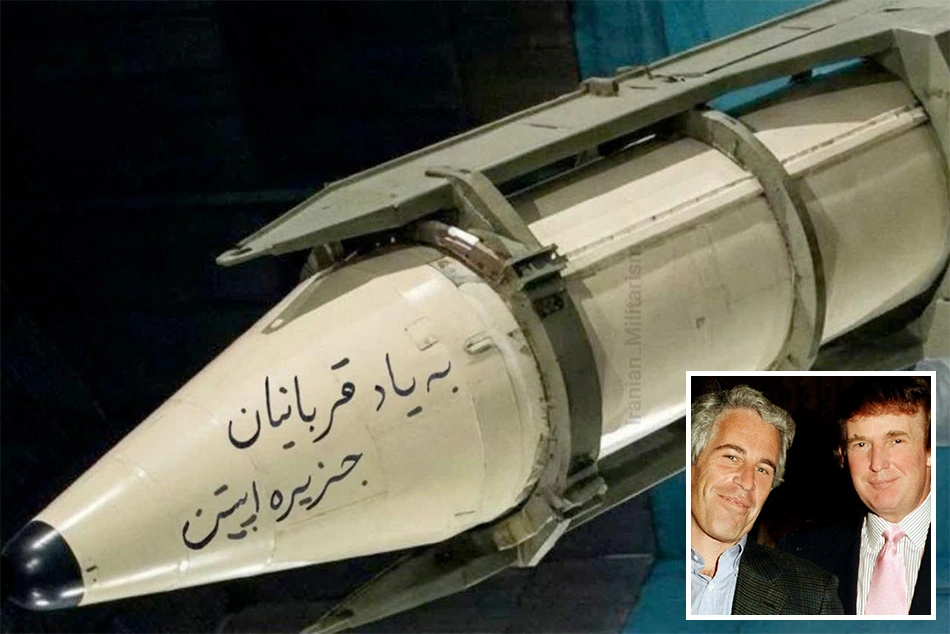
The Trump regime’s contradictions became impossible to ignore when Melania Trump opened a United Nations Security Council session on children’s education at the very moment U.S. military operations in Iran killed more than 160 schoolgirls. For many observers, the juxtaposition captured a profound moral bankruptcy: public commitments to children’s rights on the world stage paired with decisions that inflicted devastating harm on children in a conflict zone. This dissonance intensified global outrage and reinforced the perception that Washington’s human‑rights rhetoric collapses when weighed against its strategic calculations.
President Trump’s domestic challenges — economic instability, the fallout from the Epstein files, and declining approval ratings, have led some analysts to argue that war serves as a political distraction. Historically, U.S. presidents have often used military action to rally public support ahead of elections, and critics fear the current conflict fits this pattern.
The concern is not merely about political opportunism but about the normalization of war as a tool of domestic politics. When military escalation becomes a campaign strategy, the consequences for global peace are catastrophic.
The current conflict has brought the Middle East closer to a region‑wide war than at any time in recent memory. Thousands of civilians have already been killed in Iran and Lebanon. Infrastructure has been destroyed, economies destabilized, and millions displaced.
The danger of miscalculation between nuclear‑armed states is real. The erosion of diplomatic norms, the sidelining of the United Nations, and the growing reliance on unilateral military action have created a volatile environment in which a single mistake could trigger a global crisis.
A Call for Global Leadership
Peace‑oriented nations—particularly in Asia, Africa, and Latin America—now face a critical choice. If they remain silent, the precedent of preemptive war, nuclear coercion, and diplomatic deception will become entrenched.
The war on Iran is more than a regional conflict; it is a test of the global order and a warning about the dangers of unchecked power. The future of diplomacy, the credibility of international law, and the lives of millions depend on the choices made now.
[The writer, Dr. Habib Siddiqui, is a Peace Activist.]
Follow ummid.com WhatsApp Channel for all the latest updates.
Select Language to Translate in Urdu, Hindi, Marathi or Arabic