Controlling Kharg Island: Options for United States
The Trump administration is weighing whether US Special Forces could seize or neutralise the Kharg Island as part of its strategy to pressure Iran during the continuing war
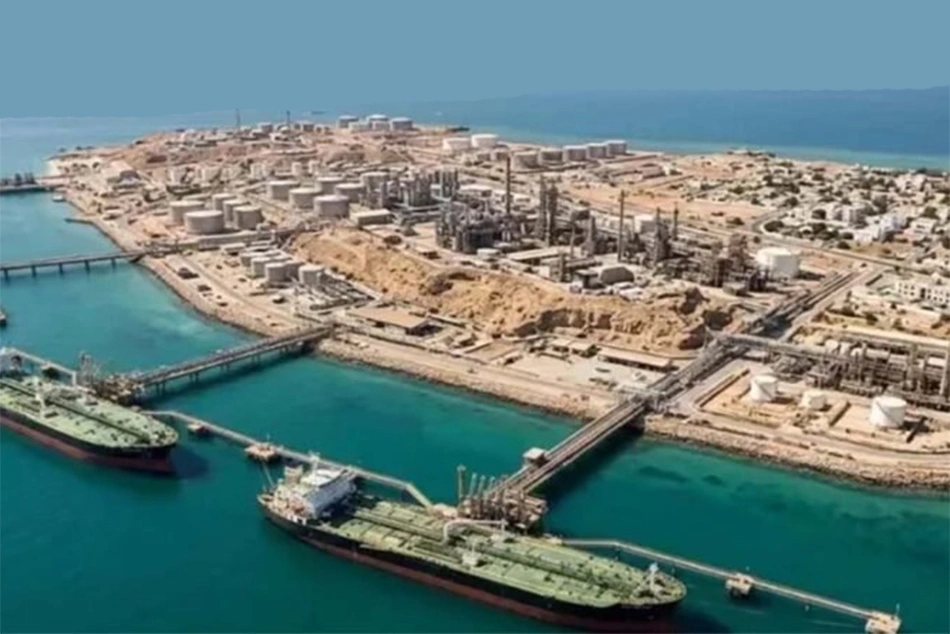
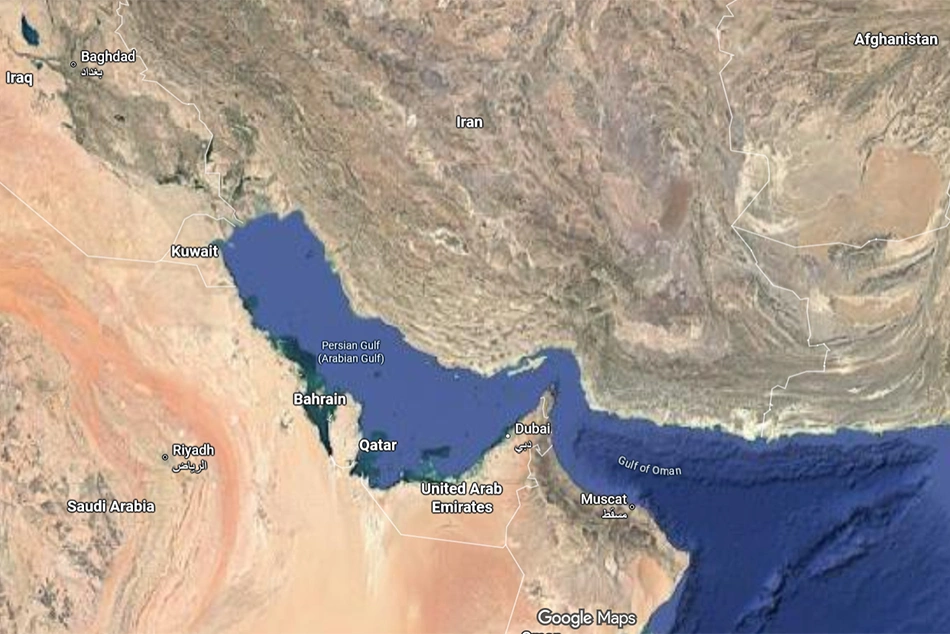
Iran’s Kharg Island lies in proximity to the Strait of Hormuz, a crucial global oil passage, besides itself being an important site for petroleum and petrochemical installations. In practical terms, that makes Kharg the single most important piece of energy infrastructure Iran possesses. Reports suggest that the Trump administration is weighing whether US Special Forces could seize or neutralise the island as part of its strategy to pressure Tehran during the continuing war.
Kharg Island is a small coral island in Iran in the northern Persian Gulf. It lies about 30 Km from the Iranian mainland. Its area is 25 sq.km., 8 kmin length, and 4.5 km wide. This rocky limestone island is unique because it is one of the few islands in the Persian Gulf with freshwater, which has collected within the porous limestone. The island experiences hot and humid summers, and its highest point, Mount Didehban, stands at 87 meters above sea level. The discovery of an offshore oil field in the waters around Kharg in the early 1960s stimulated the development of the island as a site for major petroleum and petrochemical installations.
Connection by pipelines to the underwater oil fields, as well as to the oil fields in Khuzistan province, transformed Kharg into Iran’s largest oil-loading terminal by the early 1970s. During the Iran–Iraq war (1980–1988), Kharg repeatedly was bombed, and its oil facilities suffered extensive damage, but they were reconstructed in the early 1990s.
It facilitates as much as 90 percent of the country’s oil exports and is vital for Iran’s economy. It boasts a massive storage capacity of 28 million barrels and loading infrastructure capable of handling very large and ultra large crude carriers. It has a loading capacity of about 7 million barrels per day. It can load eight to nine super tankers simultaneously, according to reports by Axios.
Strategic Location of Kharg Island
Kharg Island’s importance is partly geographic. Iran’s oil fields are located largely onshore in the country’s southwest and offshore in the northern Persian Gulf. Pipelines carry that crude to storage tanks and loading facilities on Kharg, where super-tankers can dock offshore and load cargoes for export.
The terminal has enormous capacity. Its loading infrastructure can handle multiple very large crudecarriers simultaneously and export several million barrels of oil per day.
Because of these facilities, analysts often describe Kharg as Iran’s energy “single point of failure.” The island handles several times more oilthan all of the country’s other export terminals combined.
Washington’s focus on Kharg
The renewed interest in Kharg comes as Iranian threats and military activity have effectively halted shipping through the Strait of Hormuz, the critical chokepoint that carries roughly one-fifth of global oil supply, says a report by Barrons.
With tankers reluctant to enter the Gulf and energy markets already rattled, some US officials see Kharg as a way to shift the economic pressure back onto Tehran.
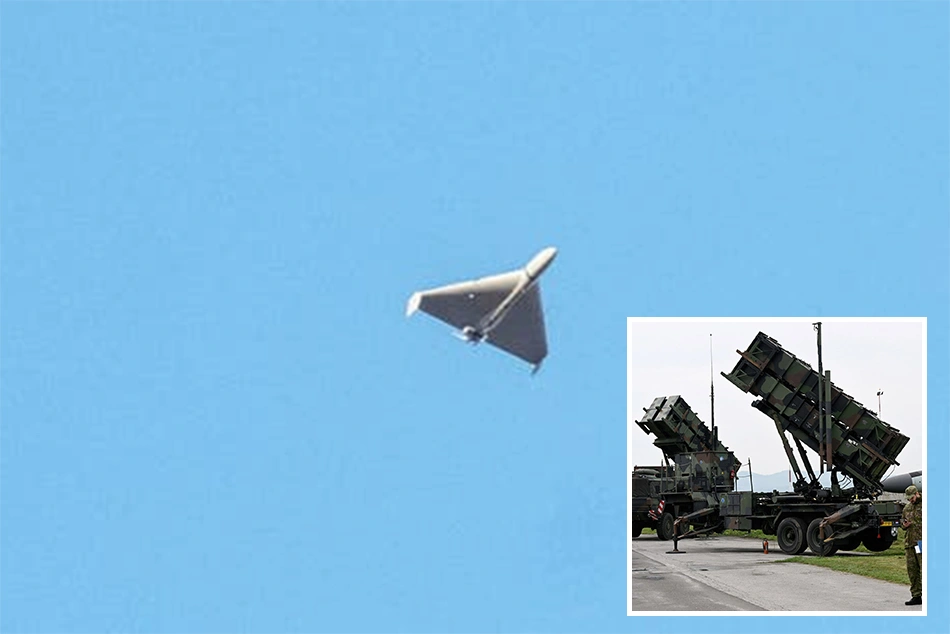
Iran also maintains military positions on nearby islands such as Abu Musa and the Greater and Lesser Tunbs that overlook the shipping lanes used by tankers entering and leaving the Gulf. From those locations, Iranian forces can threaten vessels with missiles, drones, and fast-attack boats.
Neutralising those outposts could help protect tanker traffic, thus easing pricing pressure. But targeting Kharg would cut off the economic lifeline that funds Iran’s government.
Seizing the island without damaging it could theoretically allow Washington to control or halt Iranian exports while preserving the physical facilities for a future post-conflict government.
A High-Risk Move
The idea of controlling a petro-state’s economic lifeline has recent precedent. Earlier this year, after US forces captured Venezuelan leader Nicolás Maduro, Washington took control of the country’s crude trade by intercepting and rerouting tankers, allowing exports to flow only to approved buyers.
Kharg represents a far more consequential target as Iran exports significantly mre oil and controls more important waterways. Controlling the export terminal can be easier than trying to intercept every tanker that leaves it. It is also far more escalatory.
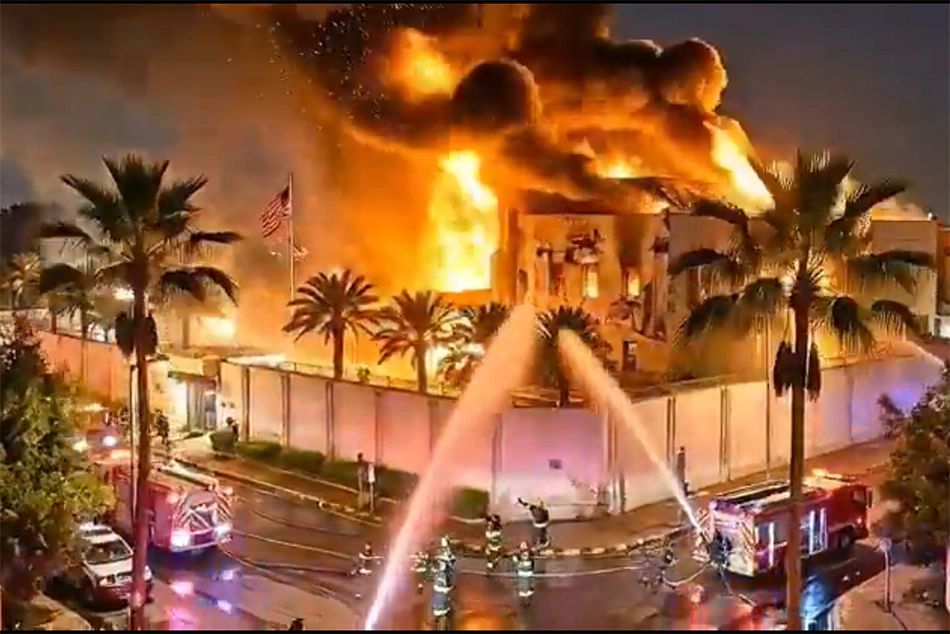
Attacking or occupying Kharg would strike directly at the core of Iran’s economy and could trigger retaliation against Gulf oil infrastructure, shipping lanes, or regional energy facilities. Disrupting Kharg could send global oil prices sharply higher.
If Washington ultimately decides to target it, Kharg Island could move from being Iran’s oil lifeline to the central battleground of the economic war now unfolding in the Gulf. Seizing the island without damaging it could theoretically allow Washington to control or halt Iranian exports while preserving the physical facilities for a future post-conflict government.
Moreover, Iran's oil exports would stall and output halve if the US and Israel were to seize its port on Kharg Island, triggering further attacks from Tehran on regional oil infrastructure, JP Morgan said in a note on Kharg.
Axios reported on March 7 that the US administration had discussed seizing the island, which sits some 30 km off Iran's coast in the Gulf and processes 90% of its crude exports.
"A direct strike would immediately halt the bulk of Iran’s crude exports, likely triggering severe retaliation in the Strait of Hormuz or against regional energy infrastructure," saysJP Morgan.
A senior US official vowed to take control of Iran's oil on Friday as the devastating regional conflict triggered by the US-Israeli war on Iran neared its second week.
"What we want to do is to get such massive oil reserves in Iran out of the hands of terrorists," White House advisor Jarrod Agen said in an interview with Fox Business, The Caspian Post reports, citing Aljazeera.
US President Donald Trump has so far refrained from commenting on Iran's substantial natural resources, which include the world's third-largest oil reserves and control of over half of the world's biggest gas field.
Reportedly, Trump is not considering a large-scale invasion but the deployment of a small unit of troops to conduct strategic operations on the ground, according to the report. Analysts say the reason is simple: hitting Kharg could cripple Iran’s economy — but it could also trigger a major escalation and shock global oil markets.
The reason for this dillydallying by Trump administration to target Kharg is partially due to the fact that such a move could escalate the conflict dramatically. In response to any attack Iran might retaliate by targeting oil facilities in other Gulf countries, potentially threatening global energy supplies.
Further former and present US officials are of the view that the island has long been treated as a red line in the US policy. Damaging it could weaken not only Iran’s current government but also any future administration that might emerge after the conflict.
Added to that is the fact there appears to be a divergence of views between the US and its ally Israel, on the options available for any action against Kharg island. While the right-wing Israelis would like to attack and severely damage the oil installations at Kharg Island, the US would like to take a more prudent approach and not engage in any activity, which might cause a global rise in oil prices.
Follow ummid.com WhatsApp Channel for all the latest updates.
Select Language to Translate in Urdu, Hindi, Marathi or Arabic