Great Nicobar Project: Serious Questions to Answer
As bulldozers move into the forests and plans become reality, Great Nicobar stands at a historic crossroads where the choices made today may determine the fate of one of the world’s last great island wildernesses for generations to come
A Mega Project Raising Big Questions
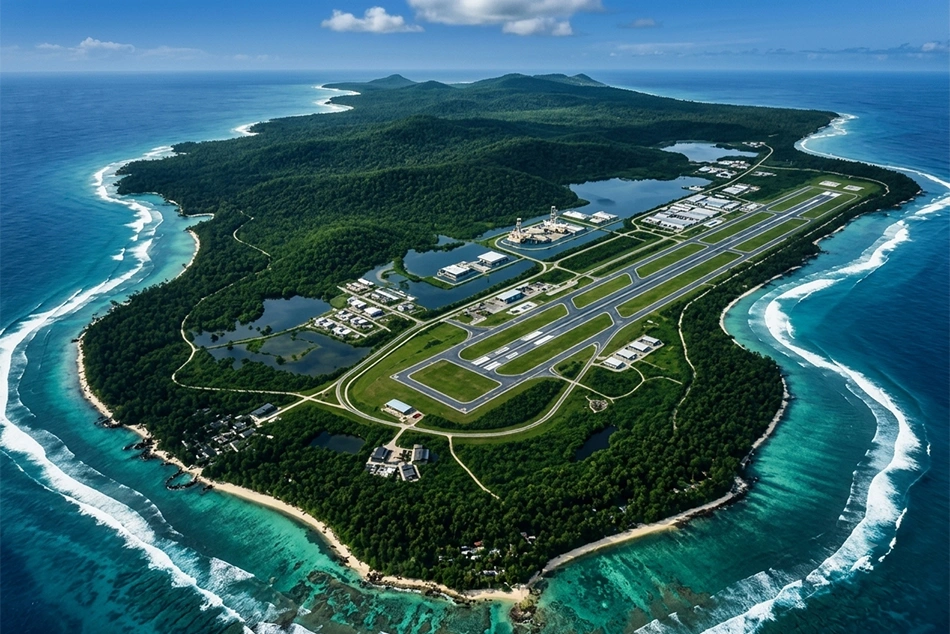
Deep within the eastern Indian Ocean, bulldozers are beginning to reshape one of India’s most remote and ecologically rich territories. Great Nicobar Island, a tropical paradise covered by ancient rainforests and home to one of the world’s last largely uncontacted Indigenous communities, is at the centre of a massive development plan that promises economic growth, strategic security, and global connectivity.
Backed by Prime Minister Narendra Modi, the ₹1 lakh crore ($12.5 billion) Great Nicobar Island Project has been described as a development of “strategic, defence and national importance.” Supporters see it as a transformative opportunity for India, while critics fear it could irreversibly damage fragile ecosystems and threaten Indigenous cultures that have survived for thousands of years.
As construction preparations move forward, the island has become the focus of an intense debate: Can development and conservation coexist, or will one come at the cost of the other?
Why Great Nicobar Matters
Great Nicobar is the southernmost island of India’s Andaman and Nicobar archipelago. Located just 40 nautical miles from the Strait of Malacca—one of the world’s busiest shipping routes it occupies a position of immense geopolitical significance.
Nearly 30 percent of global trade passes through the Strait of Malacca, including a large share of China’s oil and gas imports. For India, strengthening its presence in this region is viewed as essential to securing maritime interests and maintaining influence in the Indo-Pacific.
Prime Minister Modi has stated that the project will transform Great Nicobar into a major hub for maritime and air connectivity while enhancing India’s defence capabilities.
An Island Rich in Nature and Heritage
Despite its strategic location, Great Nicobar remains one of India’s least developed regions. Covering approximately 910 square kilometres, nearly 95 percent of the island is still covered by dense tropical forests.
The island is home to around 9,000 residents, including Indigenous communities such as the Nicobarese and the Shompen. The Shompen, believed to number around 300 people, are among the world’s few remaining largely isolated tribes. Living as hunter-gatherers in the island’s forests, they have had minimal contact with the outside world and are thought to have inhabited the region for nearly 10,000 years.
Great Nicobar is also a biodiversity hotspot. Its forests, mangroves, coral reefs, and lagoons support numerous endemic species found nowhere else on Earth. The island is particularly important as a nesting ground for the endangered leatherback turtle, the largest sea turtle species in the world.
What Does the Great Nicobar Project Include?
The ambitious development plan is expected to unfold in three phases and continue until 2047. Key components include:
- A Major International Transshipment Port: The centrepiece of the project is a $5.5 billion container transshipment port at Galathea Bay. Once operational, it is expected to handle more than 20 million containers annually, potentially placing it among India’s largest ports and allowing it to compete with regional shipping hubs such as Singapore and Port Klang in Malaysia.
- A New International Airport: An airport at Campbell Bay will improve connectivity for both civilian and defence purposes, making the island more accessible than ever before.
- Defence Infrastructure: Existing military facilities will be expanded to support both defence and civilian operations, strengthening India’s strategic reach across the Indo-Pacific region.
- Urban Development and Tourism: Plans also include a gas-solar power plant, hotels, residential areas, and a new township covering 161 square kilometres.
The island’s population is projected to increase dramatically—from around 9,000 today to more than 336,000 by 2055. Tourism forecasts predict visitor numbers could exceed one million annually by the same year.
The Environmental Cost
While the project promises economic growth, environmental groups warn that the ecological consequences could be severe. Government estimates suggest approximately 711,000 trees will be cleared. However, some conservationists believe the actual number may run into the millions. Environmentalists argue that replacing ancient tropical forests with plantations elsewhere cannot compensate for the loss of ecosystems that have evolved over thousands of years. The government’s plan to offset deforestation through tree plantations in Haryana has drawn criticism because the mainland’s dry landscape bears little resemblance to Great Nicobar’s rainforest environment.
The leatherback turtle is another major concern. Scientists warn that construction around Galathea Bay could disrupt critical nesting beaches. Researchers note that leatherback turtles often return to the same nesting sites throughout their lives. Significant disturbances to these habitats could trigger rapid population declines. Even the LoP Mr. Rahul Gandhi also covered these points in his long video while raising the issue of this island as how the Govt is hell bent on taking up this project and giving it to their corporate friend like Adani.
The Shompen: A Community Facing Uncertain Change
Perhaps the most sensitive issue surrounding the project is its potential impact on the Shompen people. Human rights advocates argue that increased construction, migration, and outside contact could expose the tribe to diseases against which they have little or no immunity.
Survival International and other Indigenous rights organisations have warned that large-scale development could fundamentally alter the forests, rivers, and resources that the Shompen depend on for survival.
Critics also question whether meaningful consent can be obtained from a community that remains largely uncontacted and has limited understanding of the scale and implications of the proposed project.
Local Concerns Beyond Conservation
The controversy is not limited to environmentalists and Indigenous rights groups. Some settlers and local residents have also expressed concerns about land acquisition and compensation.
Several families claim that land allocated to them decades ago is now being reclaimed for infrastructure projects without adequate alternatives or fair compensation.
These concerns have surfaced repeatedly in Indian media reports and continue to fuel local opposition. For many residents, the issue is not simply development versus conservation but whether the benefits of development will be shared fairly. But it seems the Modi govt is more committed to Adani than these inhabitants in the island.
The Strategic Argument
Supporters of the project argue that Great Nicobar offers India a once-in-a-generation opportunity. Strategic analysts describe the island as an “unsinkable aircraft carrier” positioned at the gateway to one of the world’s most critical maritime corridors.
The project is also closely linked to India’s “Act East” policy, which aims to strengthen economic and security ties across the Indo-Pacific. Many experts see the development as a response to China’s growing presence in the Indian Ocean through what is often referred to as the “String of Pearls” strategy a network of ports and facilities extending across the region. From this perspective, Great Nicobar is not merely an island development project but a cornerstone of India’s long-term geopolitical strategy.
A Nation Divided
The project has become a symbol of a larger national debate about development and environmental protection. As said earlier, opposition leader Rahul Gandhi has described the initiative as “destruction dressed in development’s language,” arguing that it threatens both India’s natural heritage and Indigenous communities. Meanwhile, the government maintains that the project has undergone environmental assessments and poses no significant threat to tribal groups or biodiversity.
Calling it as an important project to counter China’s strategic development in defence and trade perspective but it fails to other concerns among neighbouring countries. the project could raise concerns among neighbouring countries. Great Nicobar lies relatively close to the coasts of Indonesia, Malaysia, and Thailand, and an expanded military and commercial presence could be viewed with caution in the region. So far, however, none of these countries has publicly expressed objections India’s environmental court recently cleared the way for construction to continue, noting the strategic importance of the island and finding no sufficient grounds to halt the project.
The Final Thought – The Challenge Ahead
The future of Great Nicobar will likely shape how India balances growth, national security, environmental stewardship, and Indigenous rights in the decades ahead.
For supporters, the project represents economic opportunity, strategic strength, and a gateway to India’s Indo-Pacific ambitions.
For critics, it raises urgent questions about the price of progress and whether some landscapes and cultures are too valuable to risk and it is straightaway going to the Modi corporate friends like Adani.
As bulldozers move into the forests and plans become reality, Great Nicobar stands at a historic crossroads where the choices made today may determine the fate of one of the world’s last great island wildernesses for generations to come.
[The writer, Mohd Ziyauallah Khan, is a freelance content writer & editor based in Nagpur. He is also an activist and social entrepreneur, cofounder of the group TruthScape, a team of digital activists fighting disinformation on social media.]
Follow ummid.com WhatsApp Channel for all the latest updates.
Select Language to Translate in Urdu, Hindi, Marathi or Arabic