Online Sign-Ups and Your Phone Number: What to Share and What to Keep Private
People who do not want to use their main number for every registration can consider a second SIM, and services such as eSIM Plus which offers eSIM and virtual number options
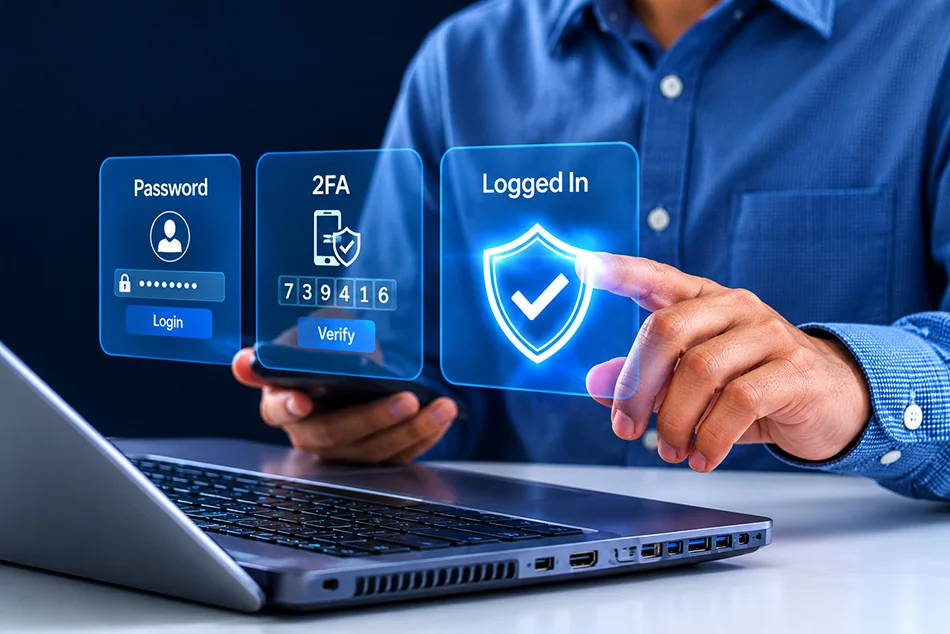
A phone number is often treated as a routine detail on an online form. A shopping app requests it before confirming an order, a website asks for it before providing a download, and a messaging service requires it to create an account. Most people enter the digits and move on. The consequences may appear later, when promotional calls, unwanted messages or suspicious verification requests start arriving.
In India, a mobile number may be linked to a bank account, UPI transactions, government services and dozens of online accounts. Some organisations genuinely need it; others do not. Knowing the difference is part of protecting personal information.
A Phone Number has Become a Digital Identifier
In India, a mobile number is connected to many aspects of everyday life. Banks use it for transaction alerts, UPI applications rely on mobile-number verification, and retailers send delivery updates. The same number may also appear in social media profiles, shopping accounts and registration records.
People who do not want to use their main number for every registration can consider a second SIM, an eSIM or a virtual number. Services such as eSIM Plus offer eSIM and virtual-number options, although the products work differently and their suitability depends on the country, service and SMS requirements. An eSIM is a digital SIM profile installed on a compatible phone; a virtual number is supplied through an online provider and may forward calls or messages.
A separate number can keep routine sign-ups apart from banking and personal contacts, but it does not make a user anonymous. Providers and websites may still collect registration, payment, device and IP information.
Why Some Online Services Ask for a Number
Some services have a clear reason to request a number. A bank needs a contact for transaction alerts, a delivery company may need to clarify an address, and a government portal may require verification.
Other requests are harder to justify. A discussion forum, a basic newsletter or a website offering a free download may have little reason to insist on a phone number when email would be sufficient. Some platforms use SMS verification to discourage fake accounts; others collect numbers for marketing or share them with third-party service providers.
A compulsory phone field does not automatically mean that a website is unsafe. Check the privacy policy for details about marketing, data sharing and account deletion. If the organisation gives no convincing explanation, consider whether registration is worth the disclosure.
Choosing Between an eSIM, a Virtual Number and a Second SIM
An eSIM is a digital SIM profile installed on a compatible phone. Depending on the plan, it may include a mobile number, calls and SMS, although many travel eSIM plans provide data only. It can offer a separate mobile line without another physical SIM card.
A virtual number is supplied through an online provider and may forward calls or messages without a physical SIM. Some are intended for longer-term use, while others are temporary. Features vary: certain services support incoming SMS, while others provide voice calls or data without conventional SMS reception.
A second physical SIM is another option. Before paying for any service, check whether it provides a number or data only, how long the number remains active, and whether the websites you use accept it.
When Your Main Number Should Stay on the Account
A separate number may suit a low-risk registration, but it is not a sensible replacement for the number linked to important financial or identity records.
Banks and payment services may rely on a registered mobile number for transaction alerts, authentication and account recovery. UPI applications also use mobile-number verification when setting up or validating an account with a bank. If a number expires, is disconnected or is reassigned, the account holder may miss important messages or have difficulty proving ownership.
The same caution applies to tax portals, government services, healthcare accounts and employment records. An expired or recycled number can prevent account recovery or expose messages intended for its previous holder.
For financial and sensitive accounts, use a number you control and expect to keep. Update it through the organisation's official procedure if you change numbers. Some platforms reject VoIP numbers or particular country codes.
An OTP Confirms Delivery, Not Trustworthiness
A one-time password confirms that a code has reached a registered phone or another verification channel. It does not prove that the website requesting it is genuine. A caller may claim that a bank account needs KYC updating, a SIM card is about to be blocked or a payment is waiting, then direct the person to a fake website or ask for an OTP.
The Reserve Bank of India cautions customers about fraudsters impersonating banks and payment providers to obtain confidential information. Enter an OTP only on the official app or website when you have initiated the sign-in or transaction. Never read it out to a caller, forward it through a messaging app or enter it on a page opened through an unexpected link.
A UPI PIN authorises a transaction; it is not needed to receive money or process a refund.
What to Check Before Submitting a Registration Form
A short review of the registration page can prevent unnecessary sharing.
- Check whether the number is necessary. If the service only needs to send a newsletter or confirm an email address, see whether you can register without a mobile number.
- Look at the form carefully. If the phone field is optional, do not fill it in automatically.
- Read the privacy policy. Check its rules on marketing, third-party data sharing, retention and account deletion.
- Verify the organisation. Check the website address and company details. A familiar logo does not prove that a page is genuine.
- Keep verification codes private. Enter OTPs only on the official service you opened yourself. Never share them with callers.
- Consider long-term access. If you use a second SIM, eSIM or virtual number, make sure you can receive messages for as long as the account may need them.
Review app permissions too. A shopping application may need your location for delivery, but not necessarily access to your contact list.
What to Do If Your Number is Being Misused
Spam messages do not necessarily mean that an account has been compromised. Avoid replying to unfamiliar senders, opening unexpected links or calling numbers in unsolicited messages. Block persistent senders.
If a message claims that a bank or UPI account has been compromised, contact the bank through its official application or verified telephone number. Check recent transactions and report unauthorised activity immediately.
In India, suspected cybercrime can be reported through the National Cyber Crime Reporting Portal. For urgent assistance involving financial cyber fraud, call the national helpline 1930. Reporting promptly can be particularly important when money has been transferred.
A mobile number is not a password, but it is personal information that deserves careful handling. Sharing it with a bank or delivery company may be necessary. Giving it to an unfamiliar website for a minor download is a different decision. Before pressing Submit, consider who is collecting the number, why it is needed and how long you may have to rely on it. Keeping routine registrations separate from important accounts can reduce unwanted contact and give you better control over your personal information.
Follow ummid.com WhatsApp Channel for all the latest updates.
Select Language to Translate in Urdu, Hindi, Marathi or Arabic