6 things I wish I had not seen in Makkah Grand Mosque
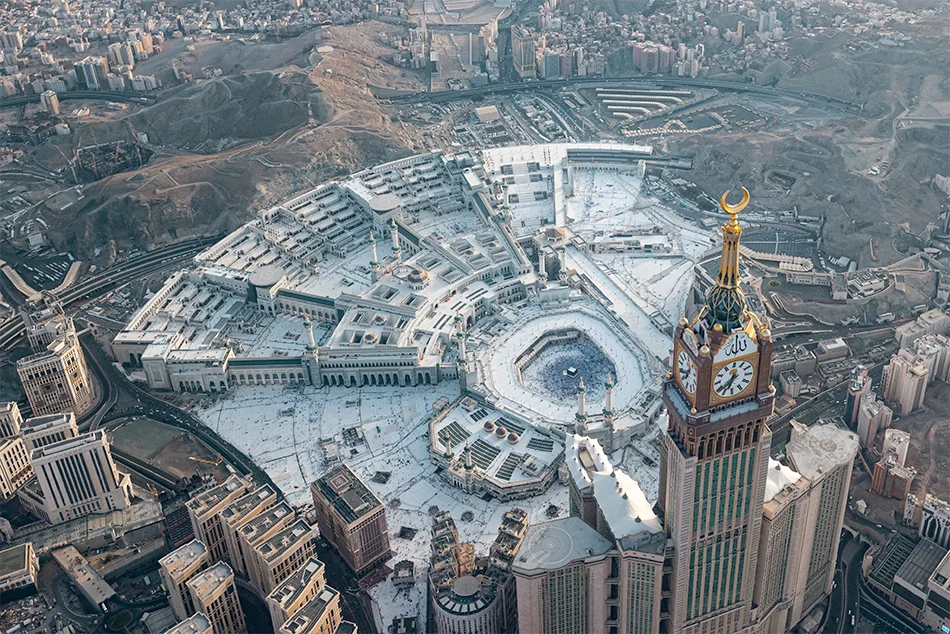
There are some scenes, unfortunate and regrettable, in the Two Holy Mosques that I wished I had not seen during my visit to Makkah al Mukarramah and Madinah al Munawwarah - the Two Holy Cities, last month.
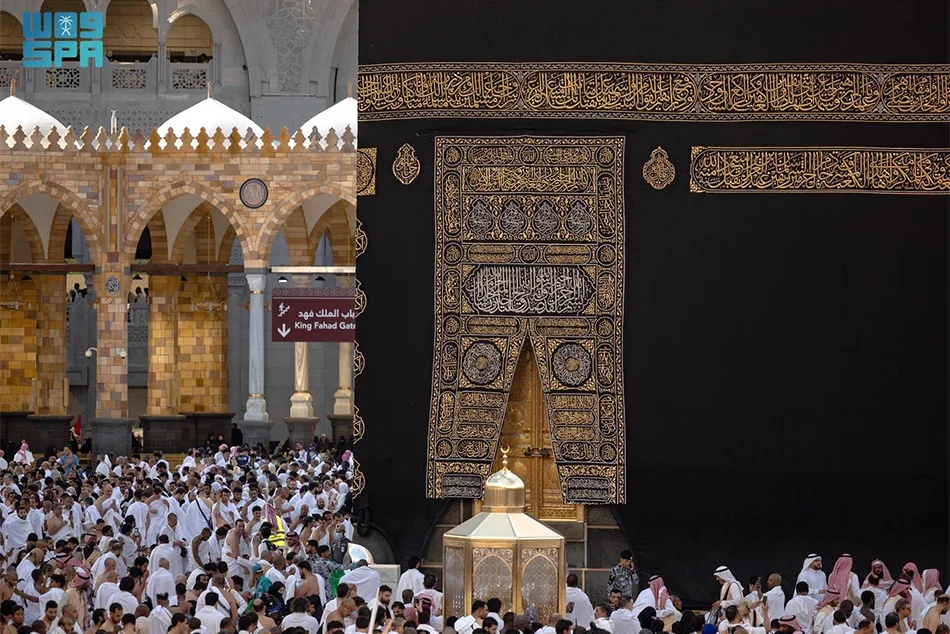
Hajj – the annual Pilgrimage to Makkah al Mukarramah performed in the month of Dhul Hijjah, is one of the five pillars of Islam. The other four are - Shahada (Tawhid and Declaration that “There is no God by Allah and Mohammad is the Messenger of Allah”), Salah (Five Daily Prayers), Zakah (Almsgiving) and Saum (Fasting during the month of Ramadan).
Hajj is mandatory for a Muslim – men and women who are physically fit and can afford the travel and stay cost in the Holy City. Without doubt, the Journey to Makkah for Hajj is a Spiritual odyssey and a fascinating endeavor for every Muslim.
However, as the cost of Hajj has increased manifold and become unaffordable for a middle-class Muslim family, they opt for Umrah to visit Makkah al Mukarramah and The City of Prophet Mohammad (pbuh), Madinah al Munawwarah.
Umrah, sometimes also referred as lesser Hajj or minor pilgrimage, can be performed any time in a year. Not like Hajj, but in Makkah for Umrah is also a delightful experience and a spiritual sojourn. Be it Hajj or Umrah, visiting The Grand Mosque in Makkah and The Prophet’s Mosque in Madinah is incomparable.
And, why not?
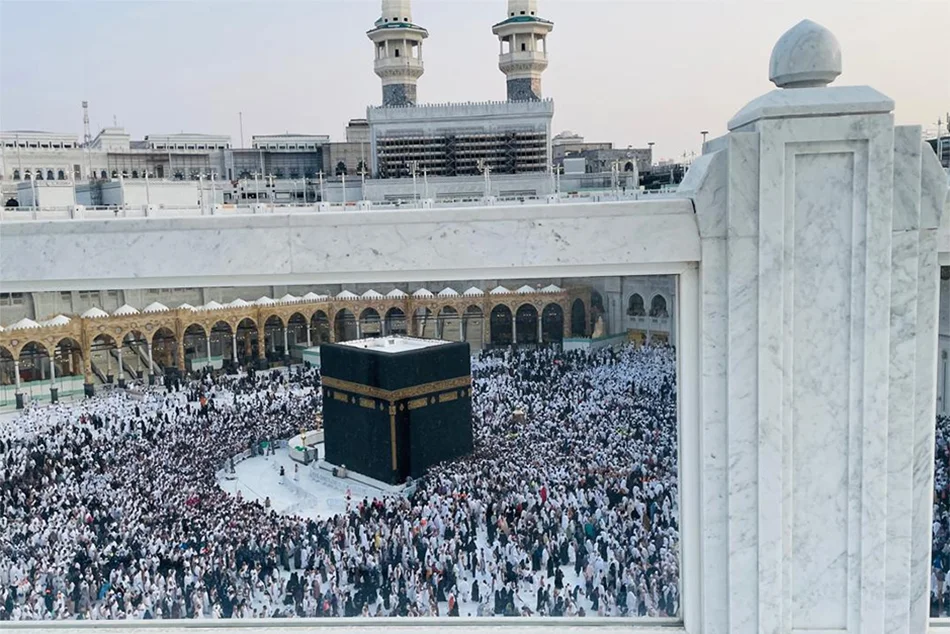
Offering prayers in any mosque, and anywhere, is the source of peace and tranquility. The task performed in The Grand Mosque, The Masjid al Haram in the Holy City of Makkah and right in front of the Holy Kaaba, what else can match this experience?
Hundreds of thousands of Muslims from all over the world, of different colors and ethnicities, filling every nooks and corners of the holiest place on earth… Some in supplication, some in prostrations… some standing in Qeyam with one hand on their chest and Holy Quran in the other, some praying with their hands raised to the heaven…
Then there are those small kids and children… The most fascinating and heart touching scene in Makkah and Madinah is seeing them coming to the Two Holy Mosques at 03:00 very early in the morning and 04:00 before dawn. No tiredness, no sleepy eyes and no displeasure, weariness or aversion… Holding the hands of their mother or father they walk gleefully to the Holy Mosque to perform Tahajjud, with one and only one aim… to please their Lord, Allah, The Almighty and The Most Merciful.
Nonetheless, there are some scenes, unfortunate and regrettable, in the Two Holy Mosques that I wished I had not seen during my visit to Makkah al Mukarramah and Madinah al Munawwarah - the Two Holy Cities, last month.
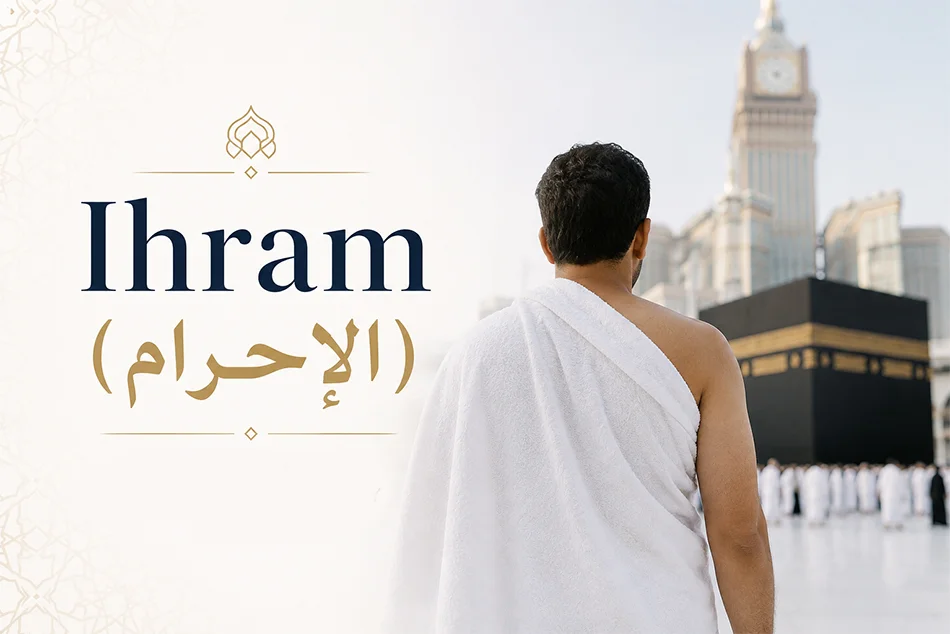
1. Faking the “State of Ihram”
Some people think, Ihram is just two white sheets Muslims wear when they intend to perform Hajj or Umrah.
No… Not…
Ihram actually is actually the “Sacred Spiritual State” a Muslim enters when he or she sets out to perform Hajj or Umrah after wearing the two white sheets of clothes.
During the Covid-19, Coronavirus Pandemic in 2019-21, the Saudi Government for the first time restricted the entry to the ground floor Mataaf courtyard, the open area surrounding the Holy Kaaba, only to those pilgrims, men or women, who are in the “State of Ihram”.
The practice continues till now. Though some relaxation is given during Hajj but the restrictions are re-imposed soon after the culmination of the annual pilgrimage, and the entry in the Grand Mosque is permitted through the gates reserved for the purpose only to the pilgrims who are in the “State of Ihram”.
The pilgrims, who are not in the “State of Ihram”, can use the 1st and consequent floors, including the open roof, to perform daily prayers and Tawaf.
However, some pilgrims, who are not in the “State of Ihram” but still wear the two white sheets, evade the security guards and enter the Mataaf ground floor, the open area surrounding the Holy Kaaba.
Why?
“Because it takes a lot of time to complete Tawaf, the circumambulation, of the Holy Kaaba when performed from the first, second, third or top floors of The Grand Mosque”, a pilgrim told me.
“Around 20-25 minutes on the ground floor, and 1 hour 20 minutes from top floors”, he added.
“I perform 5 Tawafs when you complete 01 from the first floor”, he said.
“My dear, Tawaf is Ibadah, an act of worship, not a number. The basis of your number is cheating which is forbidden”, I told him.
He, however, was not convinced.
Some others said the restrictions are administrative, and not necessarily be followed.
Indeed an administrative order, but why? So that the pilgrims in the “State of Ihram” can peacefully complete the key rituals.
And, doesn’t The Holy Quran clearly says, “Obey Allah and follow the Prophet (Peace be upon him), and the Oulil Amr, those in authority among you”.
In the State of Ihram means spirituality automatically descends on you… Is this really the case when you wear a “fake Ihram” to enter the inner courtyard of the Grand Mosque?
Oh Muslims! Any act of Ibadat requires purity and its basis can’t be cheating.
Remember, you can cheat the guards, not your Lord - Allah, The Almighty, The All-Knowing and The All-Aware.
What if Allah, counts 01 Tawaf performed from the upper floors of The Grand Mosque as 50 and rewards accordingly, and your 5 performed in a “FAKE Ihram” counted as zero and you get nothing?
Always remember this when you enter the Grand Mosque wearing a “Fake Ihram” next time.
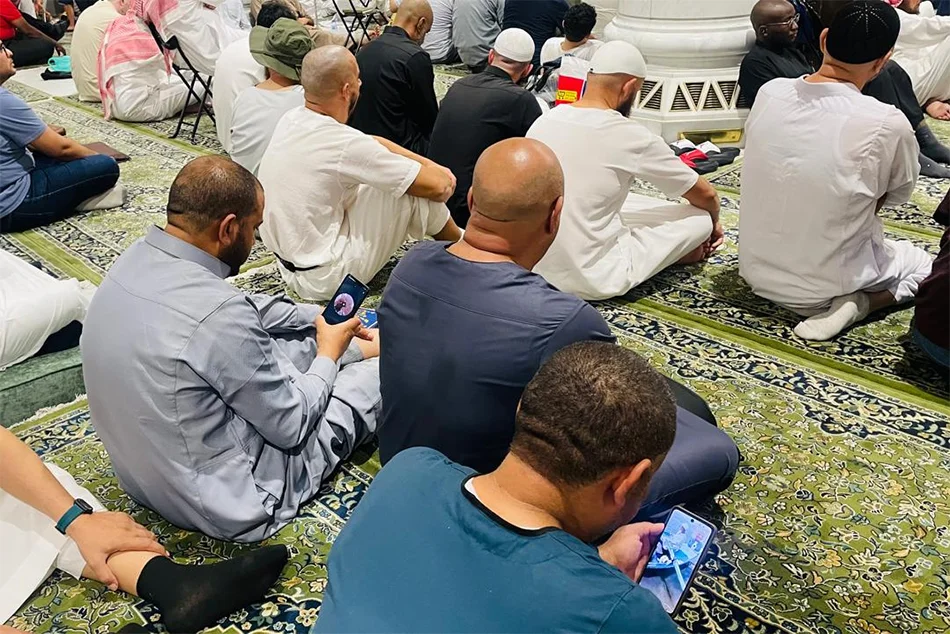
2. Blatant use of Smartphones
The other unfortunate and regrettable scene that I wished I had not seen in the Grand Mosque in Makkah, and also in Masjid e Nabawi in Madinah al Munawwarah, is the rampant use (misuse?) of Smartphones inside the Holy Premises.
Making video calls and talking with relatives and friends in louder than normal tone... Some pilgrims were even seen unashamedly checking social media posts on WhatsApp, Facebook, Instagram and other digital platforms.
If this is not enough to play with the sanctity of the Two Holy Mosques, some pilgrims were seen playing videos, indecent including. Worse, some were seen playing video games sitting right inside The Grand Mosque in Makkah and The Prophet’s Mosque in Madinah.
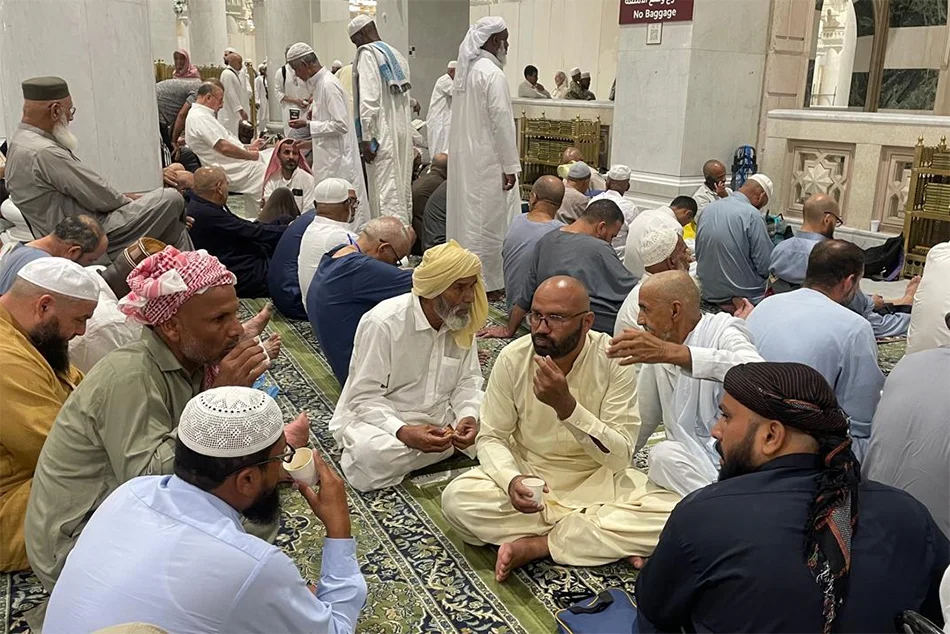
3. A Club, Canteen or a Park?
There are clear instructions and guidelines, and what to do and what not, while you are in any mosque, Baitullah, The House of Allah. The Grand Mosque in Makkah and The Prophet’s Mosque in Madinah deserve better. But, sadly and regrettably, some pilgrims, who are fortunate to be inside the Grand Mosque in Makkah, yet don’t respect the sacredness of the Holy Site.
Local residents in their eagerness to serve the pilgrims bring dates, coffee, qehwa, snacks and other beverages. These eatables are brought in plenty every Monday and Thursday, and on 13th, 14th and 15th of a month when Muslims observe fast as per the Sunnah of the Prophet (Peace be upon him). Special arrangements are made in the Two Holy Mosques at the time of Iftaar.
But, some pilgrims, who are not fasting, consume the food and drink the beverages before the Maghrib Adhan – the scheduled time to break the fast. Legs stretched and sitting with hands behind their back… Sipping tea, coffee, eating snacks and gossiping with each other as if they are in a club, canteen or a park.
Since when, my dear Muslims, gossip has been permitted in a mosque, that too in The Grand Mosque in Makkah and Masjid e Nabawi in Madinah?
4. Destroying the Clean and Healthy Ambient of The Grand Mosque
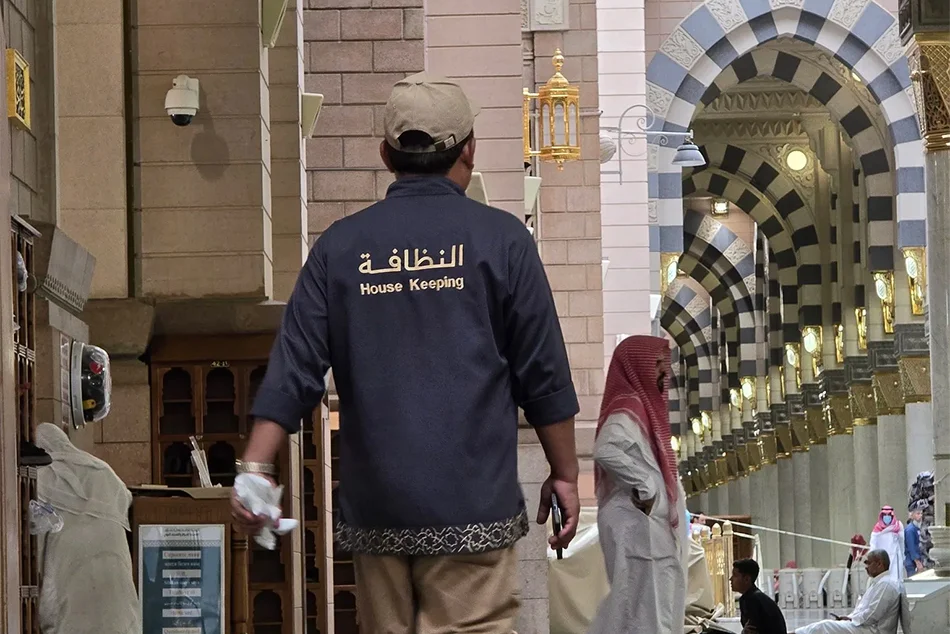
Hundreds of maintenance staff are busy round the clock to keep the Masjid e Haram in Makkah, and also the Masjid e Nabawi in Madinah neat, clean, scented and in order. The result is that the interiors of The Two Holy Mosques not only provide a spiritual but also a healthy ambient and surround.
No suffocation, no stinking and no reeking…
The result is that hundreds of thousands of Pilgrims spend hours, most of the times the whole day and whole night, praying inside the Two Holy Mosques.
The Haram administration has placed large dust bins at convenient places inside the Haram where pilgrims can easily discard the used cups and disposables.
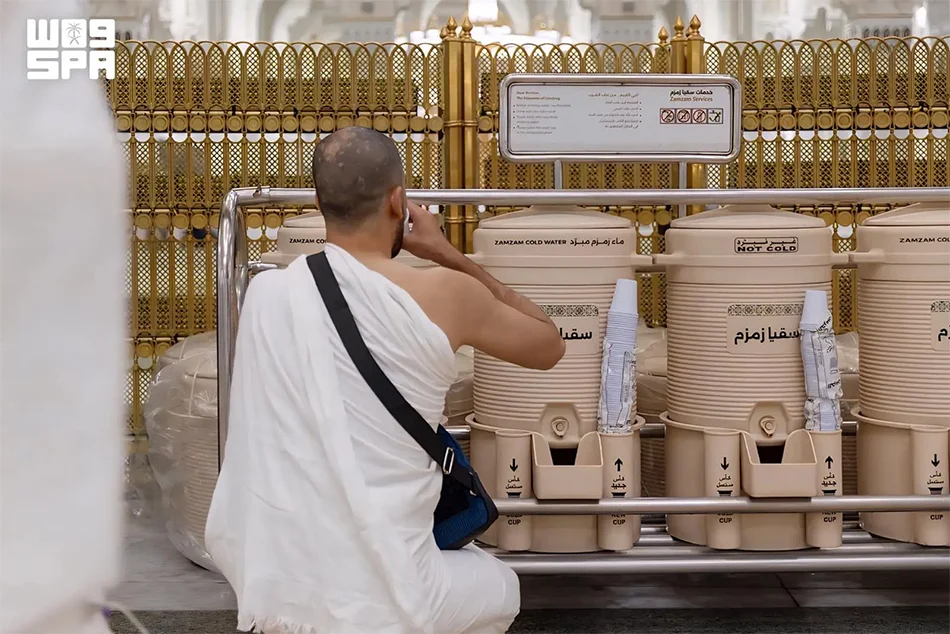
Cold Zam Zam Water containers placed at various locations also have two sections – one having fresh disposable glasses and the other to place used ones.
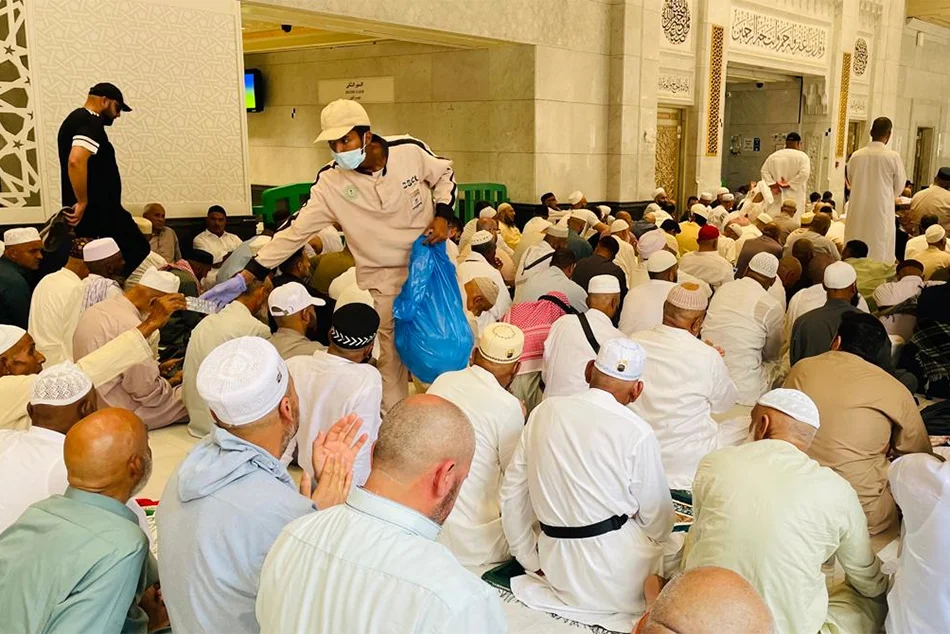
There are also dozens of Haram Maintenance Staff in each zone and section of the Two Holy Mosques carrying large plastic bags in their hands, to collect the used cups, disposables and leftover food and snacks for the lazy pilgrims who cannot walk to dust bins.
But, some of those unlucky and unfortunate lots who sit inside The Grand Mosque as if it is a club, leave used coffee cups and disposal glasses on the carpet or throw them near the columns.
It just requires a little bit of civic sense to simply throw the disposals in the dust bin, and if not, handover them to the maintenance staff available to you at merely a distance.
Don’t we even have that little bit of civic sense?
5. When Tissue Papers Become Curse
A pilgrim spends hundreds of thousands of rupees to travel to Makkah and Madinah just to have a glimpse of the Holy Kaaba, visit Masjid Al Nabawi - the Mosque of our beloved Prophet Mohammed (pbuh), and get a chance to offer prayers inside the Rawdah - Riyazul Jannah and the Gardens of Paradise.
Once inside the Grand Mosque and Masjid e Nabawi, the Pilgrim finds him in total peace, in supplication and complete submission to Allah, The Almighty.
He is offering the obligatory prayers… his sight on the ground and heart filled with emotions… He is whispering with his Creator, seeking forgiveness and expecting rewards from the All Giver…
Suddenly, a pilgrim standing next to him picks up tissue papers from his pocket and starts blowing his nose.
The Pilgrim praying and in submission is startled and taken aback.
He manages to regain his composure… He is now listening to the Holy Quran verses recited beautifully by Imam e Haram… Enthralled and passionate…
But, suddenly another pilgrim takes out a bunch of tissue papers and starts coughing up phlegm, leaving the worshipper startled again.
Please. Blowing noses and coughing up phlegm louder are not only disturbing but also unhealthy and bad manners.
One is taught to take care of these things while in meetings and even when is with friends… Here we are standing in front of Allah, The Almighty, that too inside the Two Holiest Places, and ????
For God’s sake, oh Muslims…
6. Zam Zam for Ablution?
Masjid al-Haram, the Grand Mosque in Makkah, has around 13,000 restrooms and toilets distributed across its surrounding courtyards and underground networks, alongside 5,660 to 5,668 bathrooms and toilets and over 3,000 ablution, wudu, points at 24x7 service for pilgrims, as per a rough official estimates.
Somewhat matching arrangement has been made in the Masjid e Nabawi in Madinah too, providing ease and relief to the pilgrims. The difference is that the restrooms and water closets at Masjid Nabawi premises are nearer as compared to those built for the pilgrims in the Makkah Grand Mosque. And, it requires a bit of walking to freshen up and perform ablution if you are in The Grand Mosque.
So what?
But some pilgrims (lazy?) are seen performing ablution using Zam Zam water available inside the Haram in containers, wetting up the surrounding and nearby areas… and disrespecting the Zam Zam water.
“Hajji… Hajji… Please… Please… This is wrong… Unfair… Respect the sanctity of Zam Zam and the Grand Mosque”, the maintenance staff politely keeps on telling such pilgrims… They however ignore and continue…
Washing your feet by Zam Zam water??? Oh dear Muslims, have we lost all our senses???
Amidst these unruly scenes are the Haram Administration and its staff… Tons of gratitude and loads of respect for them…
They notice, but don’t get upset…
They warn, but don’t shout at…
They stop, but don’t scuffle…
Oh Muslims! Aren’t we taking the extraordinary gesture of gentleness, politeness and devotion to serve pilgrims by the Haram Administration and its staff, for granted?
Think over it.
[The writer, Aleem Faizee, is Founder Editor of ummid.com. Aleem Faizee has also worked as a Researcher at Tata Institute of Social Sciences (TISS) and with Action Aid for its research work published as “BROKEN PROMISES -A study on the socio-economic status of Indian Muslims: Seven years post Sachar”. His research work “Mollywood: The Rise and Fall of a Subaltern Cinema” is part of the book “Creative Industries in India” published by Routledge India of Taylor and Francis Group, London. A prolific writer, Aleem Faizee has also written for The Times of India as a Freelance Journalist for over 10 years.]
Follow ummid.com WhatsApp Channel for all the latest updates.
Select Language to Translate in Urdu, Hindi, Marathi or Arabic