Manipur Violence And A Nation’s Fading Attention
Manipur does not need occasional outrage, it needs sustained attention, accountability, and action.
A Tragedy That Keeps Repeating
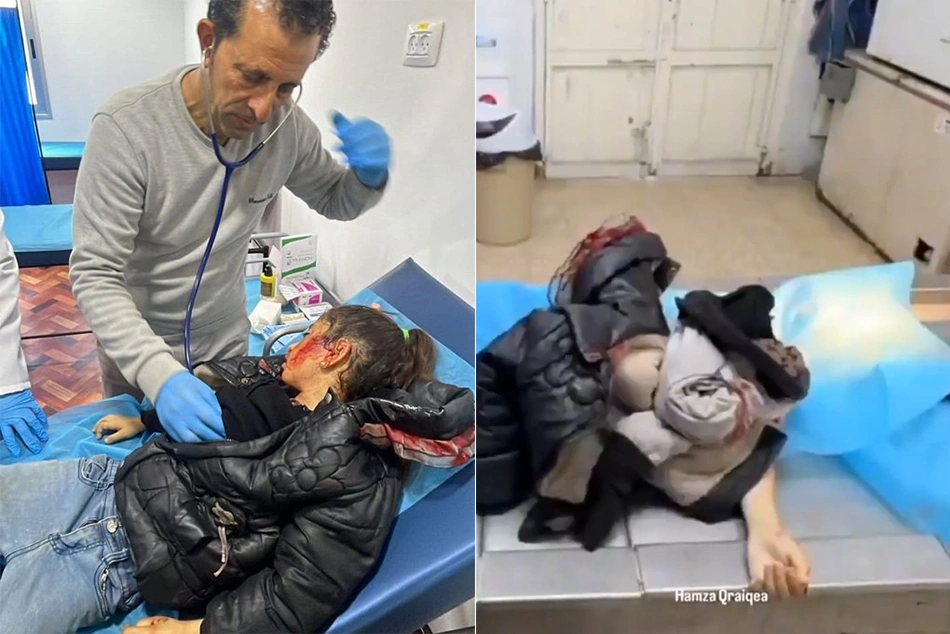
On April 7, 2026, Manipur witnessed yet another heartbreaking incident. A rocket projectile struck a home in Bishnupur, killing a fouryearold boy and his newborn sister. The attack shattered whatever fragile calm existed and reignited anger across the Imphal Valley.
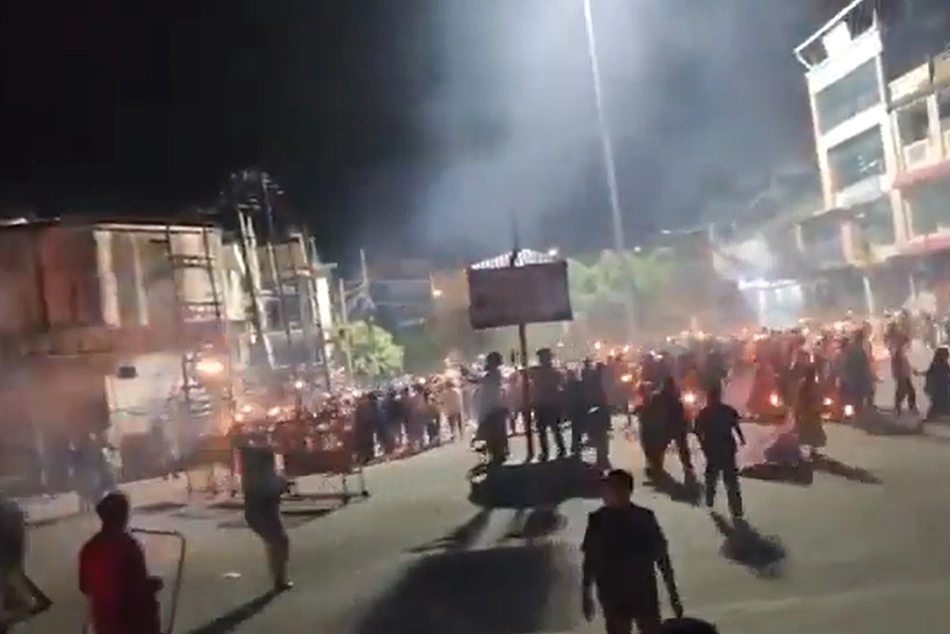
Massive torch rallies followed. Protests quickly escalated into violent clashes, leaving three security personnel seriously injured. Authorities arrested 21 people for mob violence, but public outrage persists because those responsible for the actual killings remain unidentified and unpunished.
So far, the state of Manipur has witnessed more than 250 deaths in ethnic violence. It has seen little to no highlevel visits from the Prime Minister or the Home Minister, even when the latter was reportedly just a short distance away, while the Prime Minister was seen engaging in public events in Sikkim. Once again, the state has been pushed into internet shutdowns and heavy security restrictions across multiple districts.
Despite the continuing unrest, the response from the ruling establishment has been perceived as limited, even as it remains highly active in election campaigning in states like West Bengal. In this article, we attempt to understand how Manipur continues to endure an endless cycle of violence, accompanied by a troubling silence that contributes to the nation’s fading attention toward the crisis.
A Perpetual State of Emergency
This is not an isolated tragedy. Since May 2023, Manipur has been trapped in a relentless cycle of violence. What began as a sudden eruption has now hardened into a prolonged crisis.
For nearly three years, daily life has been defined by curfews, fear, and uncertainty. Digital blackouts have become routine. Movement is restricted. The constant threat of fresh clashes looms over millions.
The crisis is no longer episodic—it is structural. Manipur today exists in what can only be described as a permanent state of emergency.
Tracing the Roots of Conflict
The origins of this prolonged unrest lie in events of May 3, 2023, when a high court directive regarding Scheduled Tribe status for the Meitei community triggered widespread protests.
What followed was a rapid escalation into ethnic violence between the valley based Meiteis and the hill based KukiZo tribes.
The human cost has been staggering:
- Over 250–260 people killed
- More than 60,000 displaced, many still living in relief camps
- Entire villages, homes, and places of worship destroyed
Over time, the state has witnessed the emergence of geographical and social segregation, with communities living in isolated zones divided by fear and distrust.
A Deepening Humanitarian Crisis
The situation on the ground reflects far more than a law and order problem. It is a humanitarian crisis unfolding in slow motion.
Relief camps remain overcrowded and under resourced. Families continue to live without certainty about returning home. Economic life has been severely disrupted, with agriculture, trade, and transport repeatedly affected by blockades and insecurity.
Education has suffered immensely. Schools have faced prolonged closures, and an entire generation of children risks losing critical years of learning.
At the same time, frequent internet shutdowns have cut off communication, limiting both reporting and the ability of residents to connect with the outside world.
Why Does the Nation Look Away?
Despite the scale and persistence of the crisis, national attention remains sporadic.
One reason is political prioritisation. National leadership often appears more engaged in electoral battles in states like West Bengal or Tamil Nadu than in addressing the crisis in the Northeast.
Another factor is media hierarchy. Regional conflicts often receive limited coverage unless marked by large scale casualties. As a result, Manipur slips out of headlines between major incidents.
There is also a dangerous trend of normalisation. As the conflict drags on, it loses its urgency in public discourse. What should be seen as a continuing emergency is instead treated as background noise.
The Gap Between Narrative and Reality
There is a stark disconnect between official narratives and lived reality.
Authorities frequently describe the situation as manageable or as a law and order challenge. However, for residents, it is an on-going crisis of survival.
While official reports highlight arrests during protests, there is far less clarity on progress in investigating and prosecuting those responsible for killings and targeted violence.
What gets reported are the flare-ups. What remain invisible is the daily suffering, the displacement, and the erosion of basic rights.
A Fractured Society
One of the most alarming consequences of the conflict is the complete breakdown of trust.
Communities that once coexisted now remain divided. Buffer zones separate regions dominated by different groups. Informal and parallel systems of control have emerged in some areas.
This fragmentation makes reconciliation increasingly difficult and prolongs the path to stability.
The Cost of Silence
The lack of sustained national attention is not just a media failure—it has political consequences.
When a crisis fades from headlines, it reduces pressure on those in power to act decisively. Episodic coverage creates the illusion of isolated incidents rather than a continuous emergency.
Observers and activists have described Manipur as a “scar on India’s conscience”, warning that indifference risks deepening the crisis further.
Breaking the Cycle of Indifference
For any meaningful resolution, sustained visibility is essential. The crisis cannot be addressed through reactive measures alone—it requires continuous political focus, accountability, and dialogue.
Manipur cannot be treated as a distant or peripheral issue. It is a test of India’s commitment to its federal structure and its promise of equal protection for all citizens.
Conclusion: A Crisis That Demands Attention
As of April 2026, Manipur remains caught in a cycle of violence, displacement, and neglect. The tragedy is not just in the lives lost, but in the silence that follows each incident.
When a crisis of this magnitude is allowed to fade from national consciousness, it creates a dangerous precedent one where some regions and lives receive less attention than others.
Manipur does not need occasional outrage. It needs sustained attention, accountability, and action. Until then, the cycle will continue and the silence will speak louder than the violence itself.
What makes this more troubling is the continued silence of the ruling regime on the issue, even as the Prime Minister makes strong statements on global conflicts highlighting a striking contrast in priorities.
This perceived double standard raises serious questions about accountability and equal concern for all regions. Manipur does not need occasional outrage; it demands consistent focus, political will, and meaningful action to restore stability and justice.
[The writer, Mohd Ziyauallah Khan, is a freelance content writer & editor based in Nagpur. He is also an activist and social entrepreneur, cofounder of the group TruthScape, a team of digital activists fighting disinformation on social media.]
Follow ummid.com WhatsApp Channel for all the latest updates.
Select Language to Translate in Urdu, Hindi, Marathi or Arabic