Blatant Misuse of Power: Bhopal Activist on Jauhar University Demolition Order
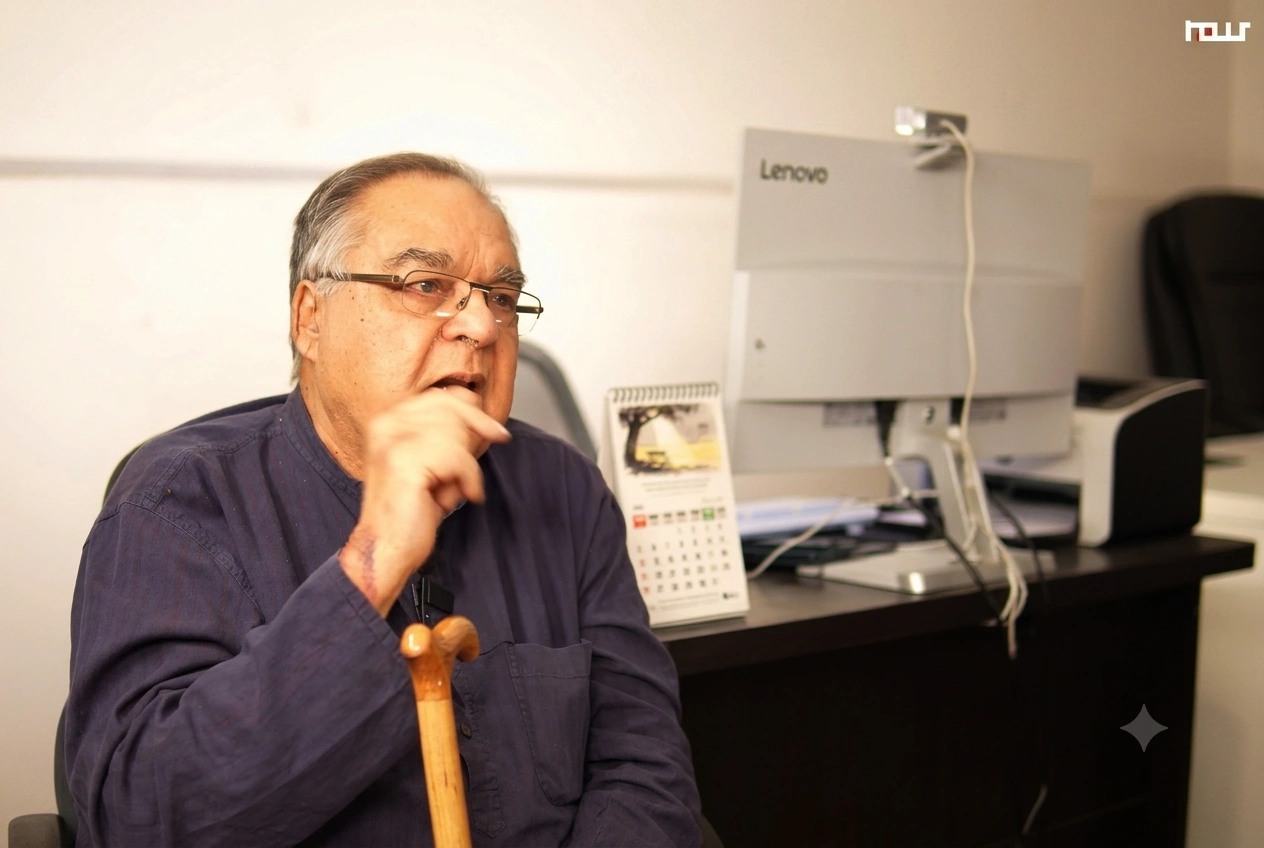
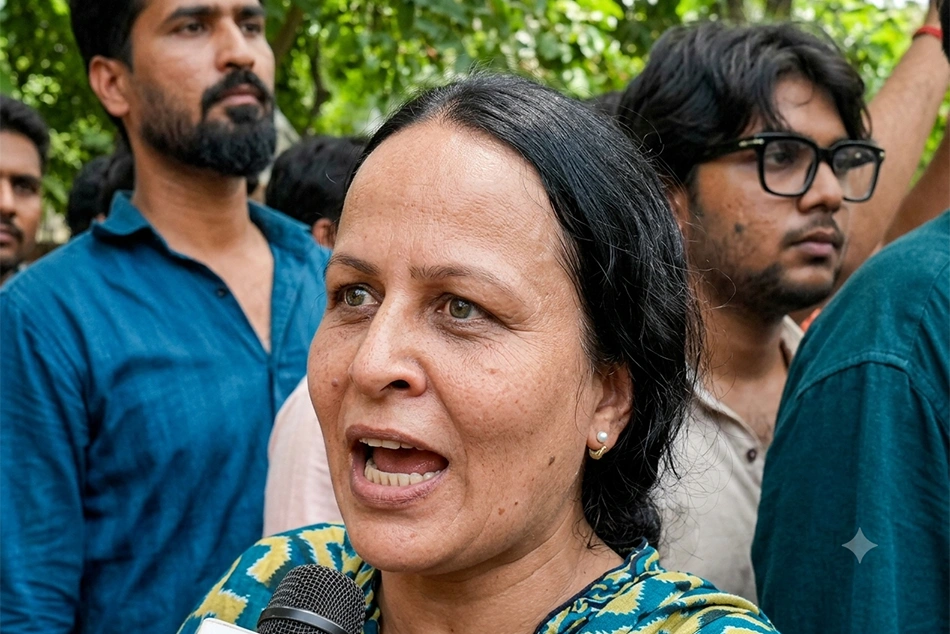
The decision of the Yogi Adityanath-led Uttar Pradesh government to demolish 38 of the 40 buildings on the campus of Mohammad Ali Jauhar University in Rampur, including the university mosque under the pretext of "illegal construction", is one of the most sweeping misuse of power such, Razia Masood, a Bhopal-based Social Activist, said
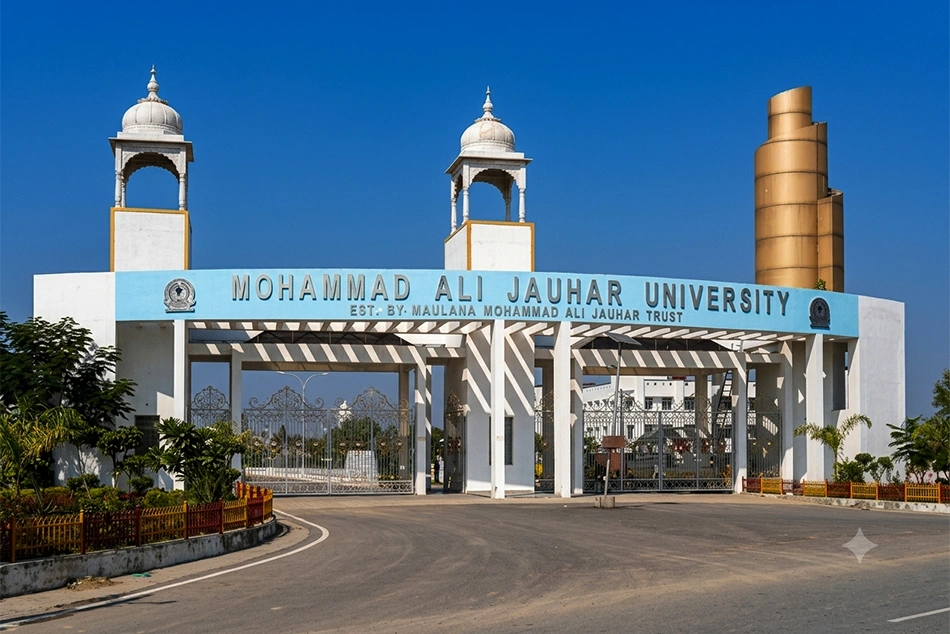
Bhopal: The decision of the Yogi Adityanath-led Uttar Pradesh government to demolish 38 of the 40 buildings on the campus of Mohammad Ali Jauhar University in Rampur, including the university mosque under the pretext of "illegal construction", is one of the most sweeping misuse of power such, Razia Masood, a Bhopal-based Social Activist, said.
She said that tension gripped the Mohammad Ali Jauhar University campus and Rampur town as soon as the demolition notice was issued by Rampur Development Authority (RDA) Vice-Chairman Ajay Kumar Dwivedi on July 15.
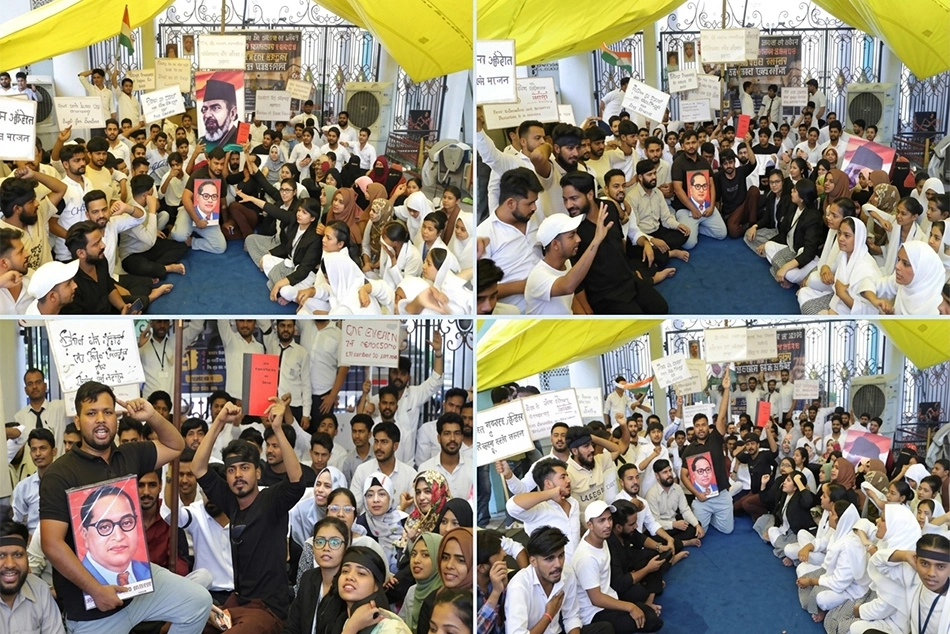
"As soon as the notice was served, university students launched an indefinite sit-in protest at the institution's main gate, demanding its immediate withdrawal. The protesting students maintain that the demolition order is illegal and have vowed to continue their agitation until the notice is revoked", she said.
The RDA demolition notice invokes Section 27(1) of the UP Urban Planning and Development Act, 1973, which lets the development authority order demolition of unapproved or plan-violating construction after 15 days' notice.
Calling the demolition notice "arbitrary, legally untenable, and unlikely to survive judicial scrutiny" , the university has appealed before RDA Chairman Anjaneya Singh (also Moradabad Divisional Commissioner), with the hearing set for July 29, 2026.
According to Vice-Chancellor Prof. (Dr.) Zaheeruddin, the RDA had no jurisdiction over the campus when the buildings were built.
Mohammad Ali Jauhar University VC Dr. Zaheeruddin said all major construction at the Singhan Kheda campus, 12 km from Rampur, was completed by 2016 — while the village came under the RDA jurisdiction only in 2024.
"How can 2024 regulations apply retrospectively to buildings finished in 2016?" he asked.
The Jauhar University VC added that the university was open to cooperating on any genuine legal concern, but called branding the buildings illegal and ordering their demolition "unacceptable."
In Pictures: 38 Mohammad Ali Jauhar University Buildings Facing Demolition
Mohammad Ali Jauhar University was established in June 2006 with the approval of the Uttar Pradesh government and is recognised by the University Grants Commission (UGC). The university today runs over 100 undergraduate and postgraduate programmes spanning engineering, pharmacy, paramedical sciences and management, serving roughly 3,000 students — nearly 40% of them Hindu, Sikh or Christian, a fact that quietly undercuts the narrative that this is an institution serving only one community.
That shared stake in the university has shown up in who has come to defend it. In the days since the demolition notice, delegations from Sikh, Hindu, and Muslim organisations have visited the campus one after another to express solidarity.
Sikh community leaders met the Vice-Chancellor to pledge support, Samajwadi Party's Sikh leadership led protests calling the university a "temple of education", and groups including Jamaat-e-Islami Hind, Jamiat Ulema-i-Hind, and the All India Muslim Personal Law Board have publicly urged the state government to withdraw the order.
"When students of every faith stand shoulder to shoulder outside the same gate, it says something the demolition notice cannot: that what's at stake here isn't one community's building, but a shared institution the entire town has claimed as its own", Razia Masood, said.
India's progress cannot be built by narrowing the doors of higher education, it depends on widening them. Every institution genuinely serving students, regardless of who runs it, deserves fair and consistent treatment under the law. This principle matters even more in Uttar Pradesh, where Muslims make up nearly 20% of the population but account for a mere 4.5% of higher education enrolment, among the sharpest education gaps of any community in the state.
"Nationally, India's Gross Enrolment Ratio in higher education stands at just 28.4%, far short of the National Education Policy's own target of 50% by 2035; achieving that goal requires more universities reaching more students, not fewer. Any administrative action that puts thousands of students' academic futures at risk, whatever the underlying dispute — deserves careful, proportionate reconsideration rather than a bulldozer's swiftness. Universities exist to empower generations through knowledge", Razia Masood opined.
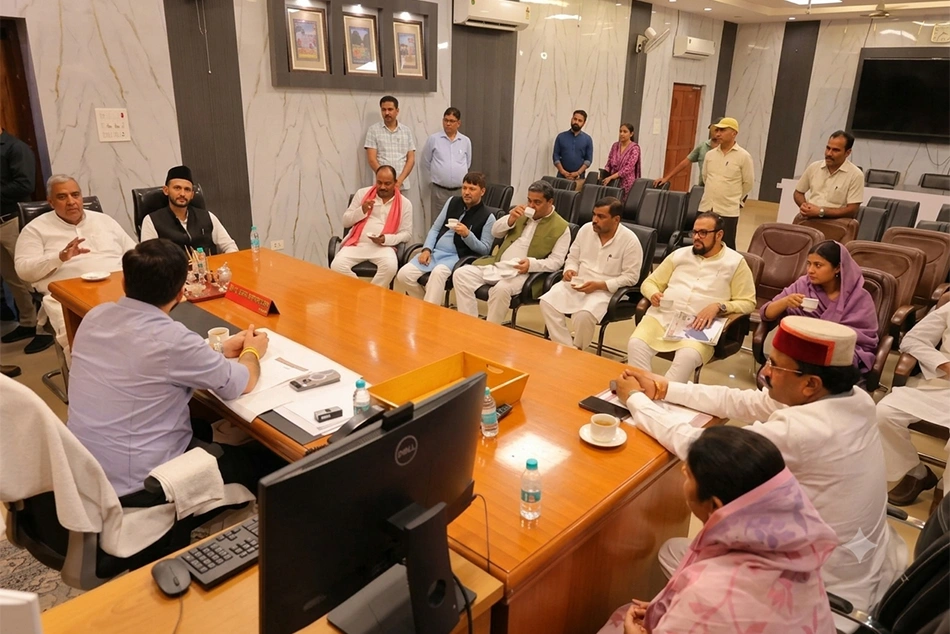
[On Saturday July 25, 2025, a delegation of Samajwadi Party MPs and office-bearers Met and submitted a memorandum to the Rampur District Magistrate in protest against the government's vengeful action being taken against Mohammad Ali Jauhar University. The SP leaders in their demand submitted that Mohammad Ali Jauhar University, which has become a center of education, be regularized. Tampering with the future of thousands of students cannot be accepted at any cost. (Image posted by Samajwadi Party MP Iqra Hasan)]
She said that a nation genuinely invested in its future would choose to strengthen such institutions, not tear them down. Demolishing educational infrastructure does not merely bring down walls, it risks disrupting ongoing examinations, stalling research, and derailing academic careers that took years to build. Students who came here with dreams, not disputes, deserve protection, not uncertainty hanging over their futures. The real test of justice lies not in how quickly a building can be razed, but in how carefully classrooms are kept open, research remains active and a student's aspirations stay alive even while legal questions are resolved.
If irregularities truly exist, accountability must fall squarely on those responsible for them, the administrators, the trustees, the decision-makers, not on innocent students who had no say in how buildings’ paperwork was handled. Justice, to be justice at all, must be fair, transparent, and free of discrimination, it cannot look different depending on whose institution is in question. Any action taken in the name of law must uphold that very law in letter and spirit and that includes safeguarding the educational rights of the students standing in its shadow.
Education must never become collateral damage in administrative or political battles. Thousands of students who came here to build their future should not have to pay the price for disputes that predate them and were never of their making. A university can be scrutinized, questioned, even held accountable, but its students' futures must not be bulldozed along with its buildings. Protect their education. Protect their future, she concluded.
Follow ummid.com WhatsApp Channel for all the latest updates.
Select Language to Translate in Urdu, Hindi, Marathi or Arabic