Indian Premier League and Cricket’s Fall from Grace
Cricket in India did not lose its soul overnight, but it was chipped away slowly, season after season, until the arrival of the Indian Premier League (IPL) delivered the final blow
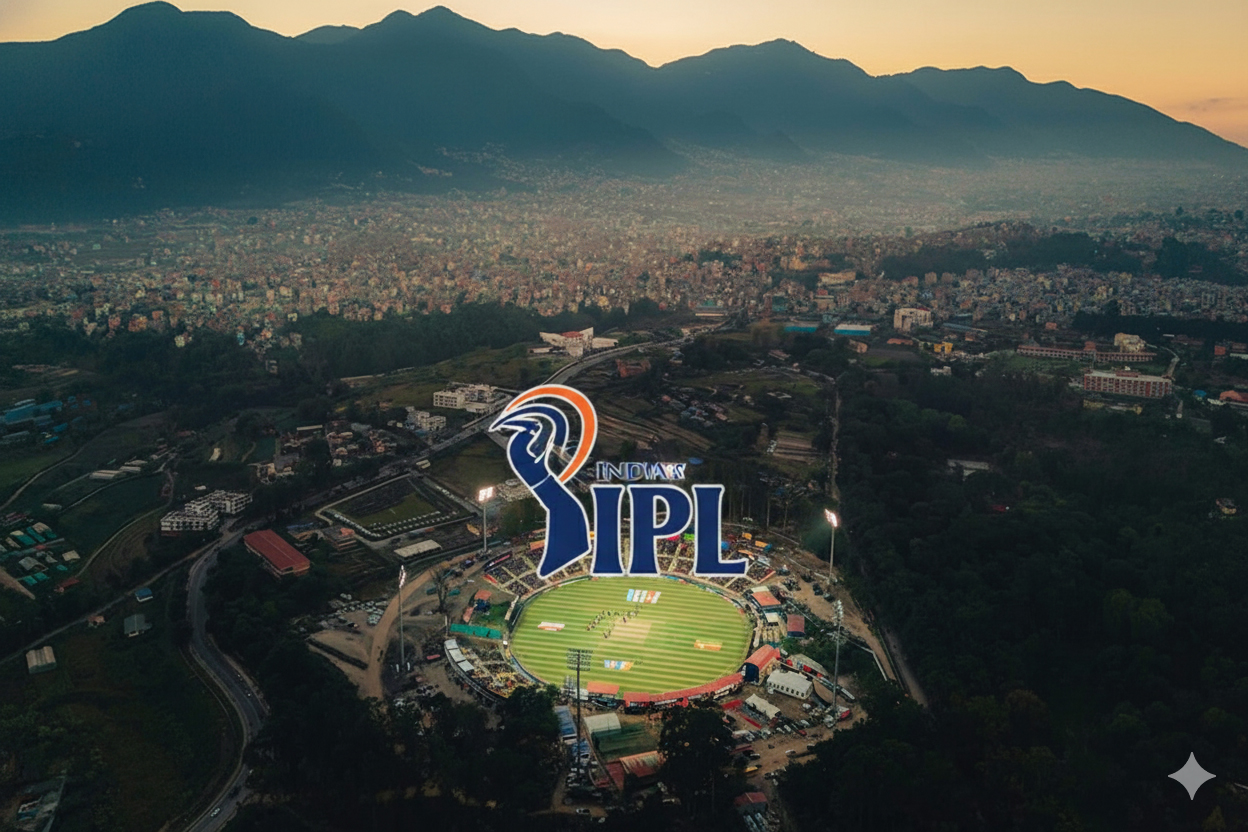
Cricket in India did not lose its soul overnight. It was chipped away slowly, season after season, until the arrival of the Indian Premier League (IPL) delivered the final blow. What was once a sport of grace, temperament, artistry, and deep cultural memory has been reduced to a carnival of noise, money, and manufactured glitz.
The Board of Control for Cricket in India (BCCI) proudly introduced the IPL as a revolution. In truth, it has become a distortion – so complete that an entire generation now believes cricket is nothing more than fireworks, cheerleaders, and six-hitting marathons.
The Essence of Cricket Vanishing
The essence of cricket — patience, skill, strategy, character, has vanished. Batters now play exclusively for crowd-pleasing, not for the quality of their craft. Edges fly over the ropes. Mishits clear boundaries with ridiculous ease.
Technique has been replaced by slogging. The crowd roars, unaware that they are applauding the slow death of cricketing aesthetics. Many hardly know the game’s history or its nuances. They cheer for noise, not for cricket.
And who can blame them? They have been fed a circus. The Americanisation of Indian Cricket is complete — dancers after every four, music blaring after every ball, cameras obsessing over celebrities rather than play.
Stadiums feel less like sports venues and more like amphitheatres built to distract. The IPL has become an economic empire, not a sporting league. BCCI counts profits; players count endorsements; and the true connoisseur of cricket stands abandoned.
Culture of Arrogance
Ordinary Indians have been priced out. Tickets have become absurdly expensive, accessible only to those who can afford the spectacle. A family of modest means cannot dream of watching a match. Cricket, once a common man’s pride, has been cornered by the wealthy.
And the sight of the Ambani family seated prominently in every Mumbai Indians game symbolises this shift vividly. The game no longer belongs to the people. It belongs to owners who sit like overlords. The Ambani’s epitomise the takeover of cricket by the rich, far removed from the grassroots that built the sport.
This culture of arrogance is visible everywhere. The behaviour of the Lucknow Super Giants owner with KL Rahul is still a stain on the league. He berated Rahul – a classic, graceful cricketer – like an employee being reprimanded in a corporate hallway. Not one commentator spoke up. No solidarity. No condemnation.
The IPL ecosystem is so soaked in money that no one dares upset an owner. In any other serious cricketing culture, such an owner would have been barred from the field for a season. But in the IPL, owners are untouchable. Sanjiv Goenka secured the franchise for a sum of Rs 7,090 crore in 2021, marking the team’s entry into the league.
Did he also learn to function as a discreet owner acting behind-the-scenes?
After all, nobody came to see him. He must have figured that rebuking of K L Rahul public was his only chance of getting the cameras on him. It couldn’t have got nastier and vulgar display of power and money.
Exclusion of Pakistani Players
What makes the whole spectacle even more shameful is the exclusion of Pakistan’s players. It is an act of petty politics disguised as nationalism.
The world knows Pakistan produces some of the finest T20 talents. Their absence diminishes the league. When the best don’t get to participate, the competition is incomplete. But the BCCI, under the shadow of the ruling BJP, refuses to show maturity.
Cricket should never be a hostage of political insecurities. The government must keep its distance. Instead, it has sunk deeper into symbolism.
Even the renaming of the world’s largest stadium after Narendra Modi — overriding the name of Sardar Vallabhbhai Patel, a towering figure of Indian history – reflected this excessive politicisation. Cricketing spaces should honour national legacy, not political vanity.
Corporatization of Cricket
As elite stadiums get bigger, flashier, and more exclusive, India’s true cricketing heartland is left impoverished. Travel into rural India. Children draw stumps with charcoal on cracked walls. They use sticks for bats, scraps for bails, and second-hand tennis balls because there is no money for proper gear. Entire villages do not have a single quality pitch.
Talented boys bowl barefoot. Some cannot afford even rubber slippers. These children carry the raw spirit of cricket—pure, hopeful, full of dreams—yet they remain invisible to the very institutions that boast about cricket’s global reach.
Meanwhile, the big names who benefit from cricket’s riches rarely give back. League cricket is a memory. Once upon a time, greats like Gundappa Vishwanath and Syed Kirmani still played on modest YMCA grounds in Bangalore. They understood that cricket grew from the soil of everyday India. Today’s stars are protected by franchises, advertising contracts, PR handlers, and carefully curated appearances. They remain distant from the game’s grassroots soul.
Cricket in India is now an empire sustained by revenue, broadcasting rights, and glamour. The IPL is its crown jewel – but it is also its greatest corruption. India’s cricketing administrators may celebrate the money, but the nation has paid a cultural price. We have gained a spectacle and lost a sport. We have gained noise and lost nuance. We have gained billionaires and sidelined the poor. We have gained fireworks and lost cricket.
The tragedy is not simply that the IPL exists, but that it has overwhelmed everything else. There is still classical cricket waiting beneath the surface – a cricket of artistry, modesty, and dignity. But until we reclaim it from the grip of corporates, politicians, and franchise owners, India will remain the world’s richest cricketing nation, but spiritually the poorest.
[The writer, Ranjan Solomon, is a Critique of the Corporatization of Cricket]
Follow ummid.com WhatsApp Channel for all the latest updates.
Select Language to Translate in Urdu, Hindi, Marathi or Arabic