From Chaos to Confidence: Future Proofing Pune and PCMC’s Real Estate Story
Making Pune and PCMC future-ready depends on strong political leadership and will, and the infrastructure story must go from plans on paper to on-ground action
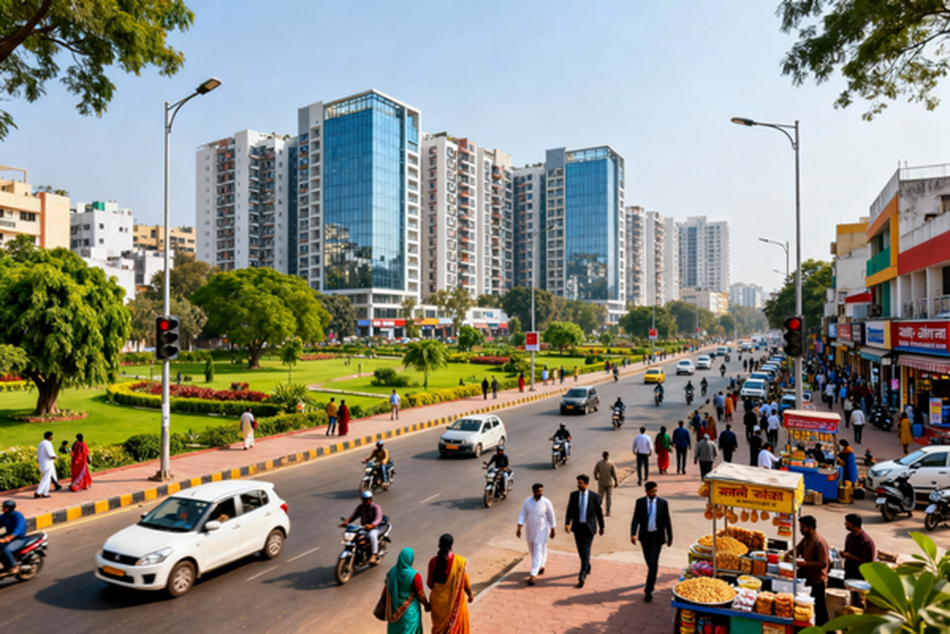
Pune and its sister city Pimpri-Chinchwad (PCMC) in the West have solidified their position as real estate growth powerhouses, with more than 90,000 homes sold each year. In 2025, these markets infused more than Rs. 5,550 crore in stamp duty revenue into the state government coffers – a strong testimony to the confidence homebuyers and investors have in these twin property dynamos.
Pune and PCMC appeal to people from all walks of life. They have a generous stock of affordable housing and a wide range of homes across other price bands, from budget-friendly options to luxury developments. The IT corridors around Hinjewadi, Magarpatta and Kharadi continue to draw in talent and investments. This continuously drives up demand for homes. End-user demand from families, young professionals, and retirees remains the backbone of these markets, maintaining a stability that many other major cities can only dream of.
Infrastructure Investment Equals Long-Term Value
The story about infrastructure in these two cities is just as interesting. Transformative connectivity projects have fuelled Pune and PCMC's real estate booms. The Pune Metro has been running since 2017 and now covers more than 100 km. The Phase 1A extensions are almost done. On November 26, 2025, the Union Cabinet approved the second phase of the expansion and added Lines 4 and 4A, which will run 31.636 km and have 28 new stations.
Pune's Rs. 1.30 lakh crore Comprehensive Mobility Plan (CMP) - a 30-year plan - includes ring roads, bypasses, grade separators, and flyovers that work together to fight traffic jams. This is real progress towards making the city more modern and efficient. Likewise, PCMC's Transit-Orientated Development (TOD) project around 11 metro stations aims to create livelier, more commutable neighbourhoods.
Hard Realities
However, we cannot ignore the reality that explosive growth has outpaced infrastructure problems. The problem is not in these markets' fundamentals, which are still strong, but in ensuring that these plans are coordinated and carried out efficiently to keep up with Pune and PCMC's rapid growth.
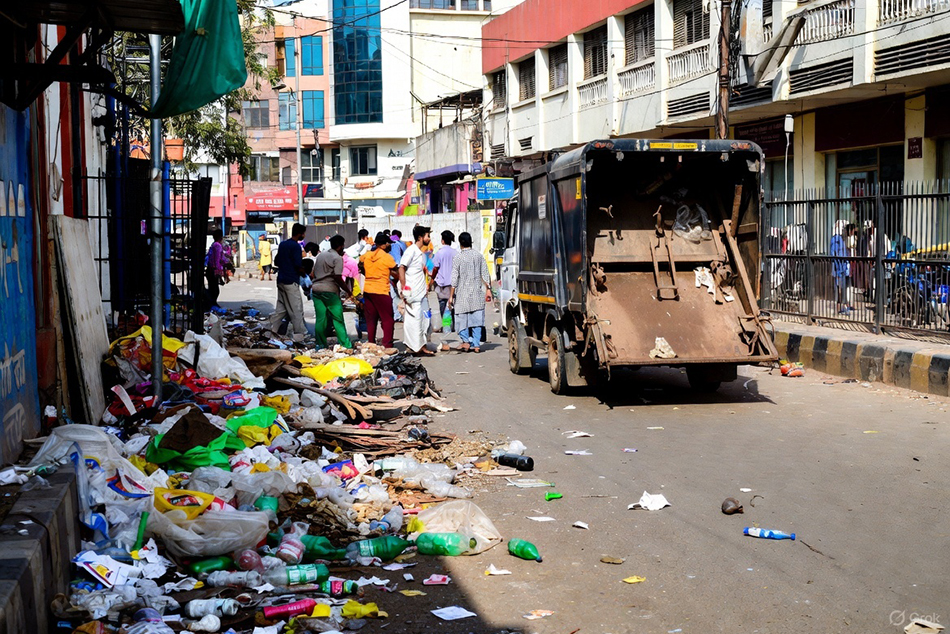
Consider the number of cars on the roads of these twin cities today – Pune now has more than 35 lakh registered four-wheelers, and 2.5 to 3 lakh more are added each year. The Pune RTO registered 3 lakh new vehicles in 2024, and the PCMC added 1.2 lakh. PCMC now has almost one car for every person. There are 21.45 lakh cars in a population of about 30 lakh. Unfortunately, our roads have not kept up; only 4% of PCMC's 2,300 km of roads have been improved to handle real-time traffic.
Despite a massive amount of capital being spent, the average speed in both these cities is still only 18 km/h. The Pune Ring Road, which will be a key solution for reducing traffic woes, officially began construction in December 2024. However, the completion date has been pushed back to 2030. This 168.94 km project was supposed to be finished years ago.
Population pressure makes things even more complicated. The number of people living in PCMC went from 17 lakh in 2011 to 30 lakh today, and it is expected to reach 96 lakh by 2041. This sudden increase puts a lot of stress on public services, sewage systems, and the water supply. Even though people in newly merged areas pay higher property taxes, they still don't have basic services.
Regulatory bottlenecks have resulted in a huge backlog of pending residential projects. Over 100 major housing projects worth Rs. 30,000+ crore in PCMC are stuck because they have not been given environmental clearance yet. These kinds of delays raise construction costs and push back possession dates, which hurts buyer confidence and keeps new supply from coming on the market when demand is still strong.
In the past, PCMC was a deacon of scientific city planning, cluster-based zoning, and superior infrastructure. But in recent years, things have started to go wrong. While beautification projects look nice, it seems we are putting looks ahead of important improvements like widening roads, managing traffic, and better parking. There are plans for development, but they are not always followed through on. PCMC's most recent development plan, which was only recently in draft form after a ten-year delay, received more than 18,500 objections from citizens.
This shows that there are real problems with planning and execution.
Building on Past Successes - The Way Forward
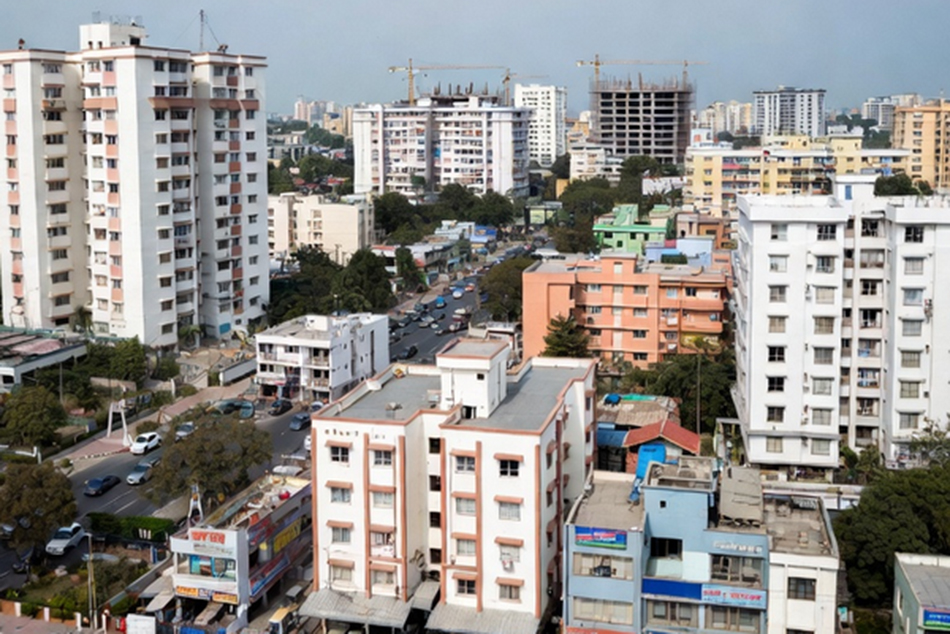
The good news is that recognising these problems has led to real action. Using data-driven methods and feedback from citizens, PCMC has chosen 25 busy intersections to focus on. The focus is now on changing road layouts and adding grade separators and signal-free corridors.
Anti-encroachment drives are tackling illegal shops and temporary buildings that obstruct traffic. These measures do show that PCMC is trying to get back into a proactive, scientific planning track that used to make it a model for urban development.
The ambitious goals of the CMP and the Rs. 9,858 crore set aside for Pune Metro Phase 2 show that the Maharashtra government is serious about its plans. The CMP framework is a major step towards greater collaboration between the Pune Municipal Corporation, PCMC, traffic police, and transportation authorities.
All stakeholders must be on board to ensure that these projects align with the master plan. The expansion of PCMC's cluster-based development strategy through transit-oriented development could transform metro corridors into self-sustaining urban ecosystems.
Action is Magic Word
The opportunity for real estate developers, investors and city planning authorities is waiting to be addressed. Pune and PCMC's underlying strengths – strong end-user and investor demand, a wide range of market segments, a dynamic IT sector, and relatively low prices – are still intact. The 1.45 lakh property registrations in 2025 (the most in four years) show that buyers are still loyal to their cities despite the traffic chaos, regulatory delays, and various financial market upheavals.
However, the infrastructure story must go from plans on paper to on-ground action. We must uphold our promises to fix the execution gaps causing urban chaos and take coordinated, time-limited actions. Making Pune and PCMC future-ready depends on strong political leadership and will.
There is too much at stake. The real estate developer fraternity is ready to work together with the city planning authorities to usher Pune and PCMC into their next phase of growth. However, there must be a unanimous consensus on one fundamental fact, namely that growth at the cost of liveability is ultimately meaningless and will result in a degraded market that benefits no one.
[The writer, Anil Pharande, is Chairman of Pharande Spaces, a leading real estate construction and development firm famous for its township projects in Greater Pune and beyond. Pharande Promoters & Builders, the flagship company of Pharande Spaces and an ISO 9001-2000 certified company, is a pioneer of townships in the region. With the recent inclusion of Puneville Commercial into one of its most iconic townships, Pharande Spaces taken a major step towards addressing Pune's current and future requirements for fully integrated residential-commercial convenience.]
Follow ummid.com WhatsApp Channel for all the latest updates.
Select Language to Translate in Urdu, Hindi, Marathi or Arabic