US-Iran Wobbly Ceasefire Wobbles Down
With no side caring for the other side’s core demands the proposed two-week ceasefire in the Israel–US war against Iran, which started just a day before, appears to be on the verge of collapse
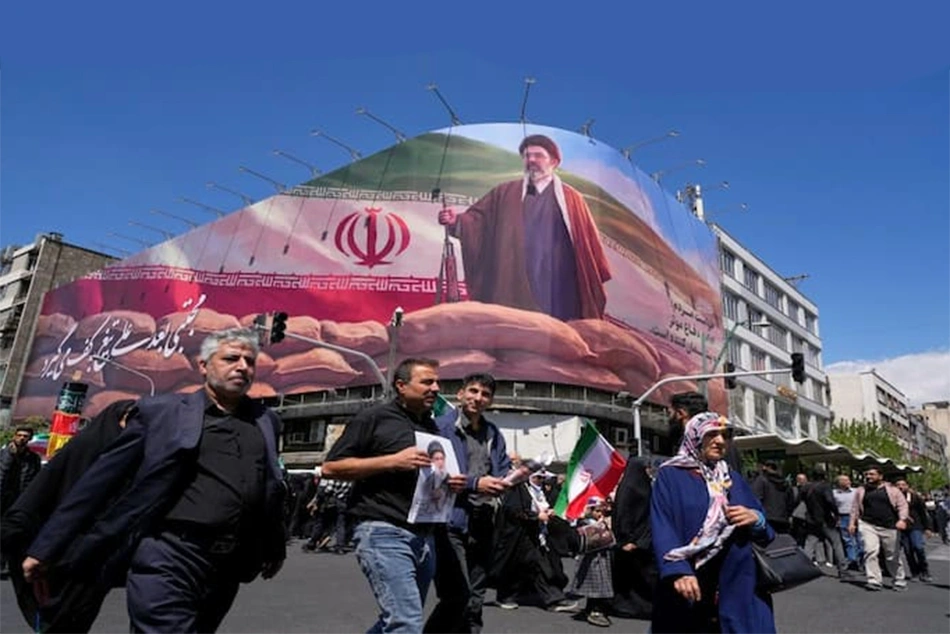
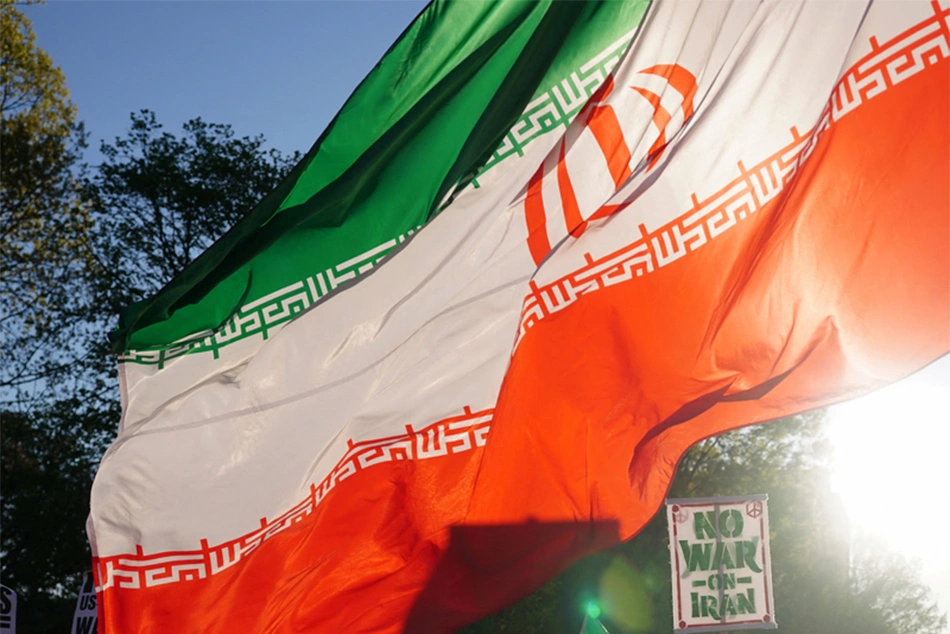
With no side caring for the other side’s core demands the proposed two-week ceasefire in the Israel–US war against Iran, which started just a day before, appears to be on the verge of collapse, with neither party agreeing to the other party’s demands. Iran is ignoring the 15-point plan of Washington, while US-Israel have not agreed completely to the 10-point Iranian counterplan.
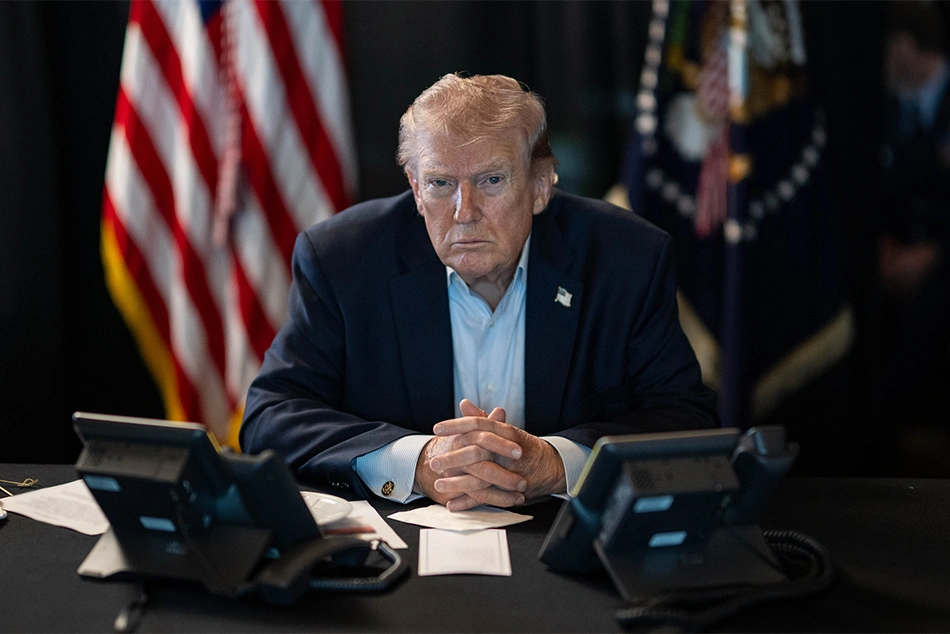
US President Donald Trump announced the conditional truce on April 8, but within 24 hours hostilities started between Iran and Israel. The initial plan was supposed to pause direct US–Israeli strikes on Iran in exchange for the reopening of the Strait of Hormuz and the start of peace talks. But the Israeli attacks against Lebanon continued unabatedly, with the American Vice President JD Vance saying that Lebanon was not part of the ceasefire agreement.
The peace negotiations are due to take place tomorrow (April 10) in Islamabad, Pakistan. But at the moment their future remains dicey.
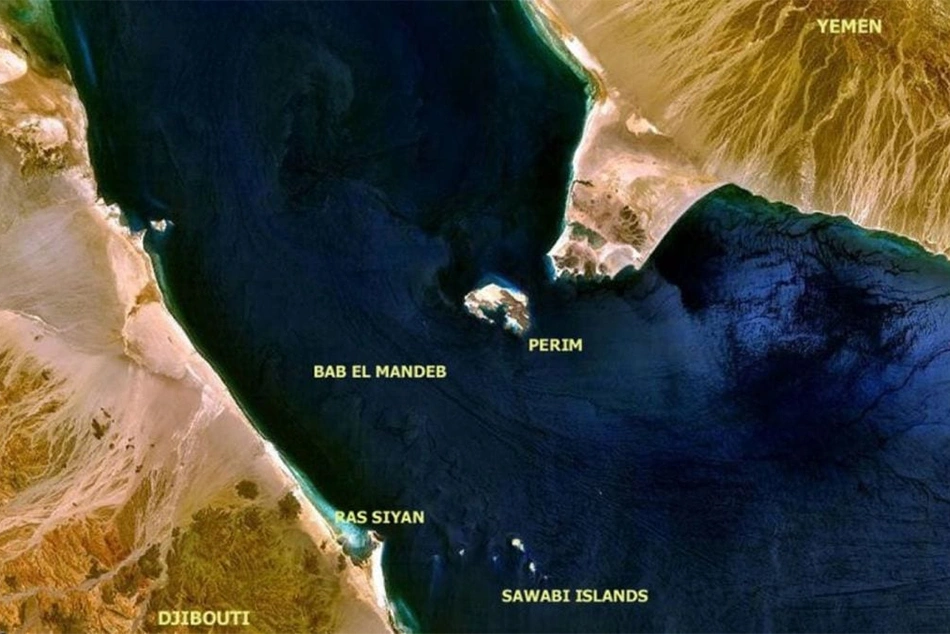
Basically, the core demands of Iran and the US are divergent of each other. Iran’s 10-point plan included lifting economic sanctions, retaining control over the Strait of Hormuz, and acceptance of its uranium enrichment for a peaceful nuclear programme. It also called for an end to attacks on allies, including in Lebanon and Yemen, and a withdrawal of US troops from the region. Iran further demanded compensation for aggression and the release of its frozen assets. Many of Iran’s demands clashed directly with the US’s reported 15-point plan.
The US plan called for an end to Iran's uranium enrichment, limits on its missile programme, and halt to Tehran’s support for regional proxies. The US also sought full reopening of the Strait of Hormuz for international trade.
Hours after the announcement of a ceasefire, Israel launched a co-ordinated wave of more than 100 air strikes across Lebanon. Hundreds of people were killed and injured; hospitals were overwhelmed, and ran short of blood.
Meanwhile, Iranian missiles and drones continued to rain down across the Gulf. In Saudi Arabia they hit a vital pipeline that carries 7m barrels per day of oil to the Red Sea, allowing a share of the kingdom’s oil exports to bypass Hormuz. In Kuwait they targeted power and water-desalination plants. The United Arab Emirates (UAE) said it was attacked more than 50 times. This was one of the heaviest days of Iranian attacks since the start of the war.
Some analysts see the Iranian response as an answer to Israel’s actions in Lebanon, reports The Economist. Others wondered if it was a consequence of the decentralised way Iran has fought this war. With its leaders hidden in bunkers and the mobile-phone network penetrated by Israeli spies, communication is difficult; the Islamic Revolutionary Guard Corps, the regime’s most elite fighting force, has given commanders in the field latitude to launch attacks on their own initiative. Some may be unaware of the ceasefire, or even choosing to ignore it.
It is too early to know whether the ceasefire will truly take hold, let alone whether the talks in Pakistan will succeed. That means it is premature to adjudicate whether Iran or America won the war (although that has not stopped both from claiming victory). If the negotiations lead to a deal, and Iran agrees to end its regional aggression in exchange for relief from American sanctions, both would arguably win; if they fail and the war resumes, both might lose, opines The Economist.
Overall, in this war of nerves waged by Iran and a war of unpredictability waged by the US, there would be no clear winner. However, it is also believed that Trump agreed to this ceasefire to get some respite for beleaguered American troops in the region and marshal additional troops for deployment in the region.
It is also a fact that the financial toll of the cost is increasing day by day for America and even though Iran too is bleeding both financially and humanly, it had psyched its citizens for such a war for a longtime, and thus it may not bow down to the American demands as it knows that if it wins the war then its regional supremacy would be established forever and then it could mount campaigns against its Arab neighbours.
[The writer, Asad Mirza, is Delhi based Journalist and Author.]
Follow ummid.com WhatsApp Channel for all the latest updates.
Select Language to Translate in Urdu, Hindi, Marathi or Arabic