Why India’s ‘Cockroach’ Protest is Different
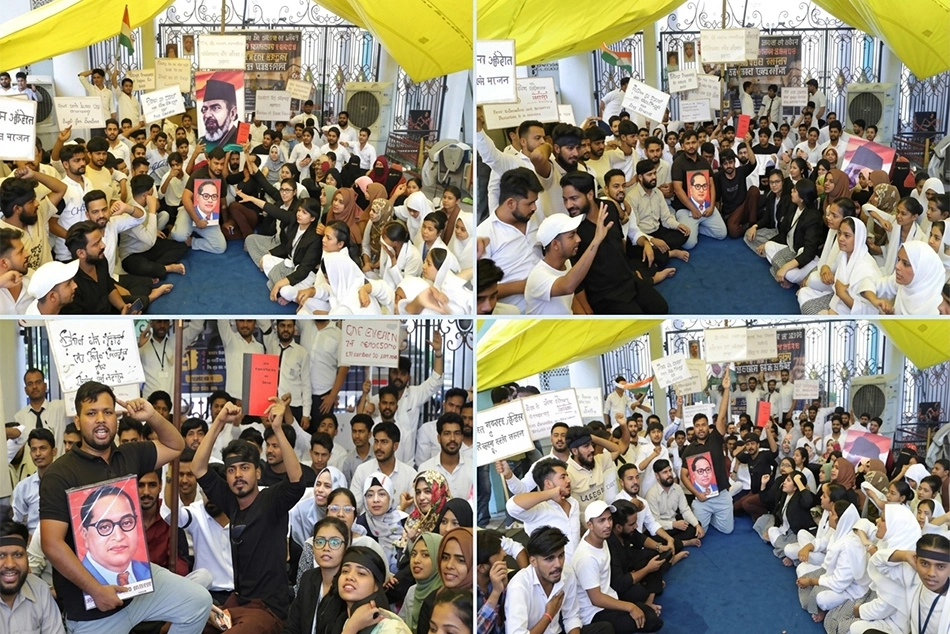
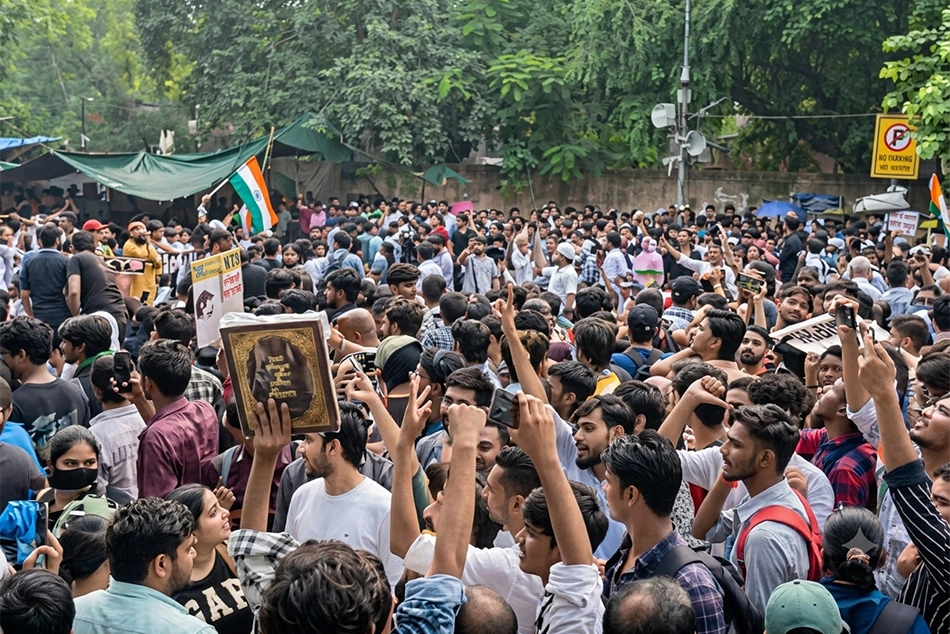
What began as an online response to the Indian youth being compared to 'cockroaches' has now moved from memes and mock slogans to the streets of not just Delhi but most capitals in India.
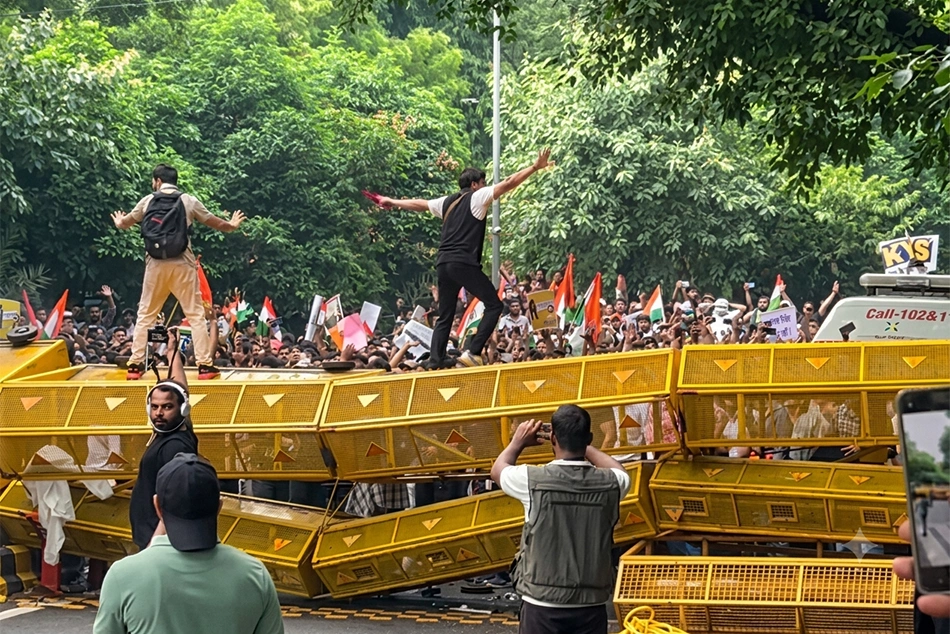
A joke has become a political warning. What began as an online response to the Indian youth being compared to “cockroaches” has now moved from memes and mock slogans to the streets of not just Delhi but most capitals in India.
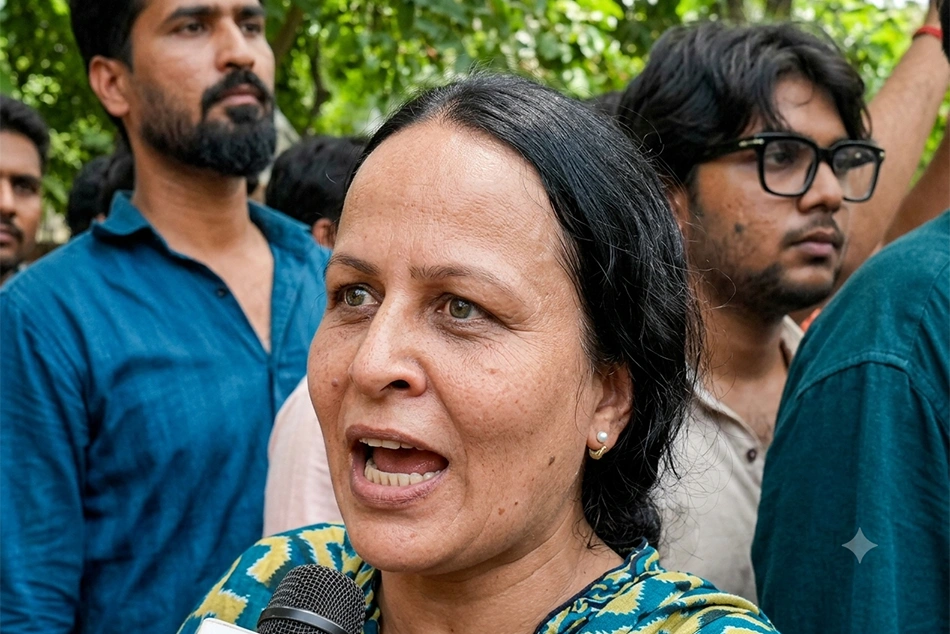
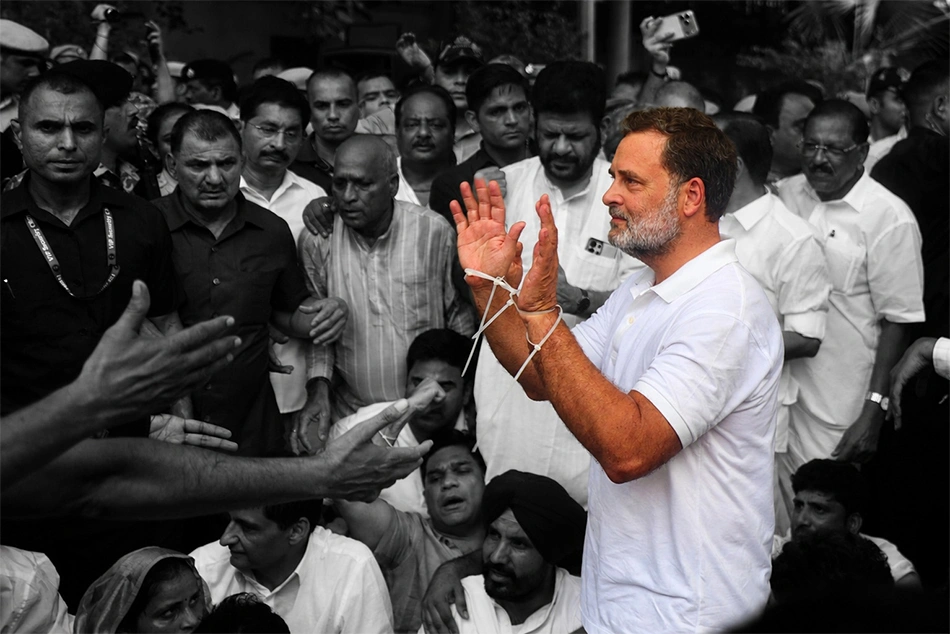
The Cockroach Janta Party, or CJP, has brought together students and young people angry over examination leaks, the cancellation of NEET, unemployment and what they see as the larger ignorance and negligence of the regime towards their future. Its immediate demands include reforms in the examination system and the resignation of Union Education Minister, Dharmendra Pradhan. As the protests grew, so did the police presence, the barricades and the political attention.
It is tempting to describe the CJP protests as entirely unprecedented. That would be incorrect as India has a long history of student movements. Students were central to the colonial struggle for independence, Nav Nirman Andolan in Gujarat, the Bihar movement led by Jayaprakash Narayan, underground resistance during the Emergency, the Assam agitation, protests following Rohith Vemula’s death and the anti-CAA movement. At different points in time, students have challenged corruption, authoritarianism, caste discrimination, unemployment and attacks on constitutional rights.
What is new, therefore, is not the fact that students are protesting. It is the nature and character of the protest. The CJP did not begin inside a traditional student union or under the direction of an established political party. It began as satire. A humiliating label was taken up and transformed into a shared identity. The cockroach became a symbol of survival: ignored, insulted and repeatedly crushed, but still refusing to disappear.
This is a distinctly digital form of politics. Memes came before manifestos. Instagram pages before committees. Humour created the initial community, and anger gave that community a political direction. The movement was able to spread because it spoke in a language that youth already understood. Not the heavy language of political speeches, but the everyday language of jokes, reels, frustration and shared disappointment.
In this respect, the CJP protest resembles the recent youth movements in Bangladesh and Nepal. In Bangladesh, protests began over quotas in government jobs, widened into a national uprising after a violent state crackdown. What was initially a specific demand, became a larger rejection of Sheikh Hasina’s government. The killings of protesters strengthened public anger rather than ending the agitation, and the movement eventually contributed to Hasina’s resignation and departure from the country.
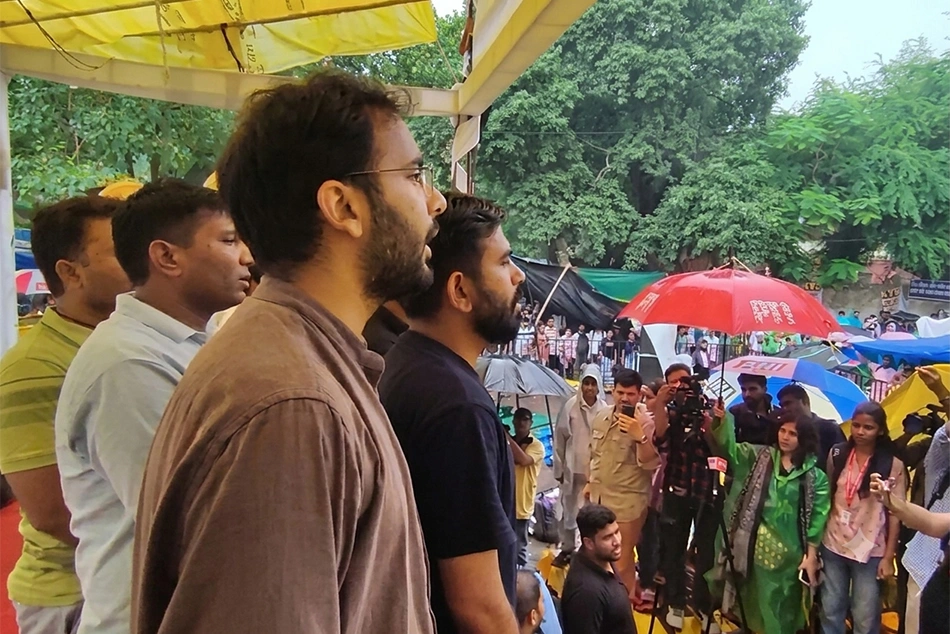
In Nepal, a digitally connected generation mobilised against corruption and the ban on social-media platforms. Discord and other online spaces became centres of organisation. The protesters were young, loosely organised and deeply distrustful of the established government. After protesters were killed and governmental legitimacy collapsed with remarkable speed, Prime Minister K.P. Sharma Oli resigned and an interim arrangement emerged.
The similarities are difficult to miss. In all three cases, the original issue directly concerned the future of young people. A job quota, an examination leak or anger against corruption may appear limited at first. But such issues touch something much deeper: the belief that hard work will be rewarded, institutions will act fairly and ordinary citizens will receive a meaningful chance to improve their lives.
Once that belief collapses, an education-related protest can quickly become a political protest. Yet India is unlikely to follow exactly the same path. The first reason is that the CJP’s principal demands remain focused on ministerial accountability and educational reform. It is critical of the government, but it has not yet become a unified movement seeking the removal of the entire political regime. Bangladesh crossed that line when the anti-quota agitation became a single point movement against Hasina. Nepal reached a similar stage when public anger, state violence and political collapse converged within a few days. The CJP movement has widened, but it has not reached that point.
Second, India’s size and social diversity make a single national uprising much harder to sustain. The anger of a medical aspirant preparing for NEET may overlap with the frustration of an unemployed graduate in Bihar or a university student in Delhi, but these experiences are also divided by region, caste, language, class and political affiliation.
India’s federal structure disperses both grievances and political responses. A protest may spread across the whole nation, but without becoming uniform. It may be powerful in Delhi and visible across social media but still take very different forms in Maharashtra, Tamil Nadu, West Bengal, Assam or Uttar Pradesh.
Third, India still possesses several institutional and electoral channels through which anger can be absorbed. Although imperfectly, Parliament, opposition parties, state governments, courts, media and regular elections all provide spaces for a protest demand to enter formal politics
Opposition support can increase pressure on the government, but it can also create a problem for the CJP. Once established parties begin to dominate the stage, an autonomous youth movement may be dismissed as merely another opposition campaign. The movement’s strength lies precisely in the belief that it speaks from outside conventional party structures. Losing that autonomy may weaken its moral force.
This is also why student protests remain necessary for democracy. Students are not always correct, and every protest is not automatically democratic. Movements can become violent, exclusionary or politically manipulated. But a democracy without student dissent becomes comfortable in the worst possible way.
Students often raise questions before political parties find them electorally useful. They expose experiences that official reports reduce to numbers: years lost preparing for an examination, the financial burden placed on families, the humiliation of unemployment and the exhaustion of competing in a system where opportunities remain painfully limited.
Universities are not factories meant only to produce degrees. They are among the first places where citizens learn to argue, organise, disagree and question authority. Student politics, at its best, is training in democratic life. It keeps public opinion alive when political parties are selective and institutions become distant.
The history of Indian democracy shows that student movements have repeatedly played the role of an early-warning system, alerting the country to grievances that those in power preferred to ignore. They have not always brought down governments, nor should that be the sole purpose of democratic protest. They have forced governments to respond, explain and sometimes change course.
Therefore, the success of CJP should not be measured only by whether a minister resigns or a government falls. A democratic movement can succeed by forcing transparent examinations, securing compensation, creating safeguards against paper leaks and making youth distress impossible to dismiss.
In India, the likely outcome is not a Bangladesh-style overthrow or a Nepal-style collapse of government. Instead, it may be a slower political shift: a government compelled to respond, an opposition forced to take student issues seriously, and a generation learning that satire can become organisation.
The CJP is new because it has given India’s digitally connected youth a fresh grammar of dissent. But its democratic importance comes from something much older, i.e., the refusal of students to remain silent when institutions fail them.
A democracy should not fear its students. It should fear the day its students stop believing that it is worth protesting at all.
[Dr. Prantik Basak is an Assistant Professor of Political Science at School of Law, CHRIST (Deemed to be University), Pune Lavasa Campus, India. Ayushiba Jadeja is a third year undergraduate student in the B.A./B.A. Hons. programme at Faculty of Law, Marwadi University, Rajkot, India.]
Follow ummid.com WhatsApp Channel for all the latest updates.
Select Language to Translate in Urdu, Hindi, Marathi or Arabic