Have Media Professionals in India Left With Any Dignity?
Amid rising attacks on journalists, especially Muslim, the bitter fact is majority of the mainstream media in India has consolidated behind the BJP and the Hindutva forces.
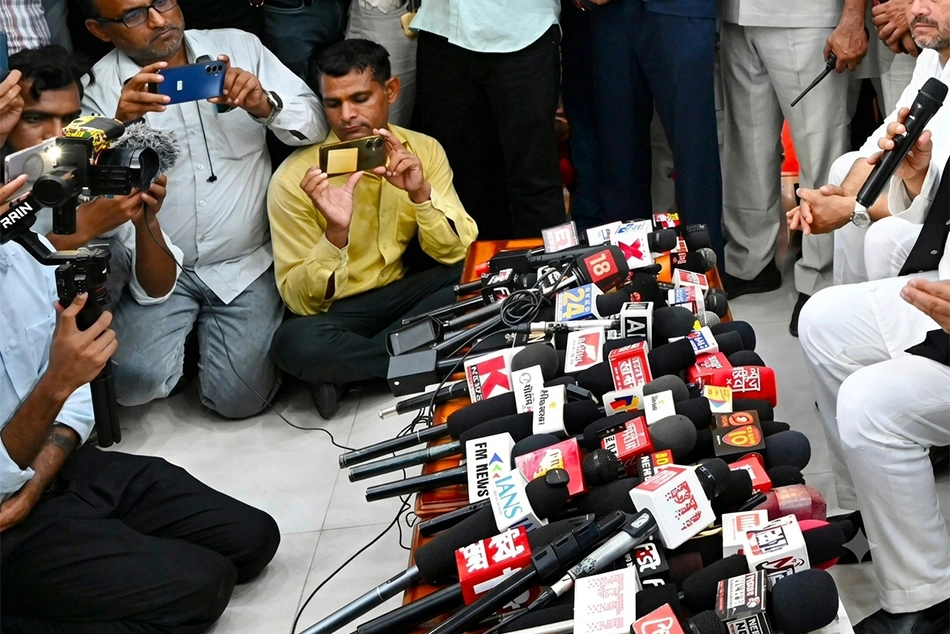
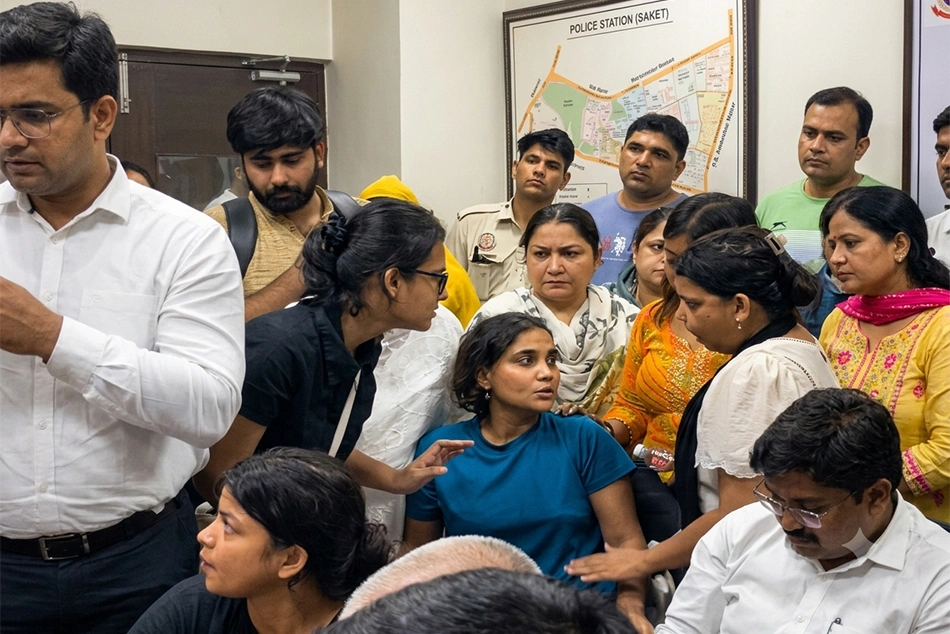
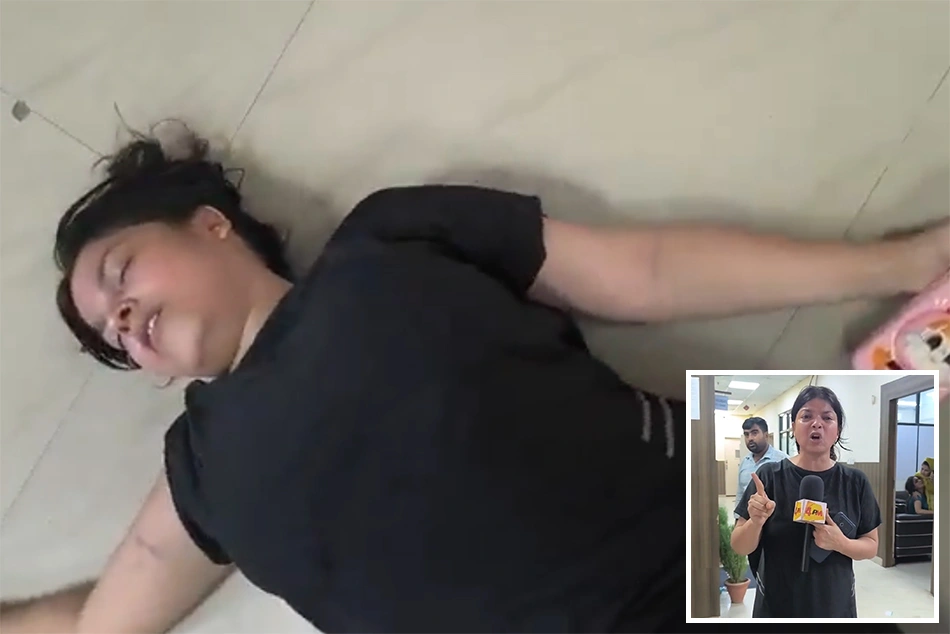
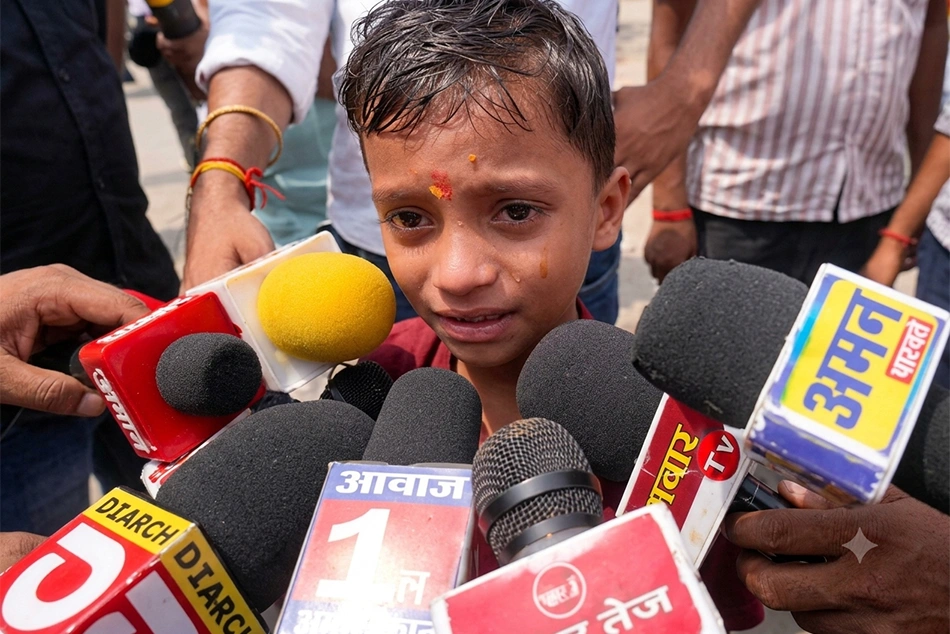
Two female journalists, who were brutally assaulted by the Delhi Police at the Saket police station on September 3, 2026, have become a talking point in the country.
The discussion is whether any dignity is left for media professionals in India. Journalists reporting from ground zero are most vulnerable, with their lives, dignity, and honor perpetually in danger.
The female journalists, Shaheen Khan and Nafisa, representing 4 PM News Network, were brutally assaulted by the Delhi Police at the Saket police station. They went to Saket to cover an event attended by Delhi Chief Minister Rekha Gupta and Union Home Minister Amit Shah.
During the interaction, Shaheen Khan asked the question to the Delhi CM about the "cycle scam" in the national capital. The "cycle scam" refers to the alleged corruption in the procurement of free bicycles for schoolgirls in Delhi, where the BJP-led Delhi government has indulged in huge financial irregularities.
This triggered commotion, and the two journalists were allegedly dragged out of the venue by the women police officers stationed there and taken to the nearby police station, where the journalists were physically assaulted inside the police station.
The journalists have claimed that their physical abuse worsened after the policewomen learned that they were Muslims.
The Delhi Police denied the assault claims and stated that the journalists were removed from the event because of an illegal parking argument and brought to the police station for questioning.
The allegation made by the journalists has come amid growing criticism on social media over the reported police action and concerns about the treatment of protestors at Jantar Mantar in Delhi.
That incident has caused widespread public anger and protests from students and activists all over the country. The young protestors are demanding accountability and independent investigations into the Jantar Mantar incident. Again, a similar kind of incident has taken place at the Saket police station. So far, no FIR has been registered against the erring cops, and public anger is spilling.
On September 3, Trinamool Congress MP Mahua Moitra, in a post, strongly criticized the Delhi Police over the alleged treatment of two young journalists. She alleged that the journalists were abused and assaulted while questioning the government’s impropriety and added that those responsible should not escape accountability.
It’s often repeated news. Muslim journalists face targeted state actions, legal harassment, and physical intimidation at regular intervals in India.
Mohammed Zubair, the co-founder of Alt News, a prominent fact-checking website, was arrested by Delhi Police over a 2018 social media post. His work frequently exposed hate speech by Hindu nationalist groups. International press freedom groups condemned the arrest as an effort to penalize his factual reporting.
Siddique Kappan, a journalist reporting for Malayalam portals, was arrested by Uttar Pradesh police under stringent anti-terror and sedition laws while traveling to cover the Hathras sexual assault case. He spent over two years in detention before receiving bail
Two Kashmiri Journalists, Asif Sultan and Sajad Gul, have been repeatedly booked under stringent laws like the Unlawful Activities Prevention Act (UAPA) and the Public Safety Act (PSA) following critical reporting or social media posts regarding local security operations in J&K.
Reporters covering events organized by Hindu nationalist groups have reportedly been singled out, physically accosted, and forced to disclose their religious identities while covering such events.
The Caravan magazine photo editor Shahid Tantray was beaten by a Hindu mob while reporting on communal violence in Delhi in 2020. The attackers demanded his identity card and beat him after knowing his religious faith.
Multiple Muslim women journalists critical of government policies found their photographs and personal information uploaded without consent onto fabricated online "auction" applications intended to degrade and silence them.
High-profile female Muslim journalists—such as columnist Rana Ayyub and Arfa Khanum Sherwani—frequently face coordinated social media abuse, including online trolling, deepfakes, doxxing, and death threats.
The bitter fact is majority of the mainstream media in India has consolidated behind the BJP and the Hindutva forces. Independent journalism in such a situation has become a dangerous activity in India.
Among the journalists, Muslims are the most vulnerable lot. They make for easy, conspicuous targets. According to an international report, there are only 3% Muslim journalists in Indian newsrooms. The mainstream media newsrooms are the prerogative of Brahmins and a no-go area for Muslims. There is an international report that did a headcount of caste and religious categories in newsrooms.
On a larger spectrum, Indian journalists face severe state repression through arbitrary arrests, digital censorship, physical assaults, and legal harassment under strict laws.
Section 152 of the Bharatiya Nyaya Sanhita (BNS) is used to prosecute independent editors and critics. The government uses the Information Technology (IT) Act to force tech platforms to restrict or remove critical news reports and social media posts. Reporters often face physical violence and beatings from police while covering street protests or public events
Independent bodies like the Press Club of India regularly protest these violent acts and demand immediate action against abusive officials. However, since media men/women are outcasts, no bell ever tolls for them.
India has slipped six places to rank 157th out of 180 countries in the 2026 World Press Freedom Index. Reporters Without Borders (RSF) highlights growing legal pressures on journalists, judicial harassment, and the increased use of national security laws to restrain journalists.
It is a national shame that global press freedom in India has fallen to its lowest level in the 25-year history of the index.
[The writer, Syed Ali Mujtaba, is a journalist based in Chennai. He can be contacted at syedalimujtaba2007@gmail.com.]
Follow ummid.com WhatsApp Channel for all the latest updates.
Select Language to Translate in Urdu, Hindi, Marathi or Arabic