Artemis II Moon Rocket cleared for April 2026 launch
The Amercian space agency, NASA, has cleared Artemis II Moon Rocket for a launch in April 2026 with four astronauts onboard.
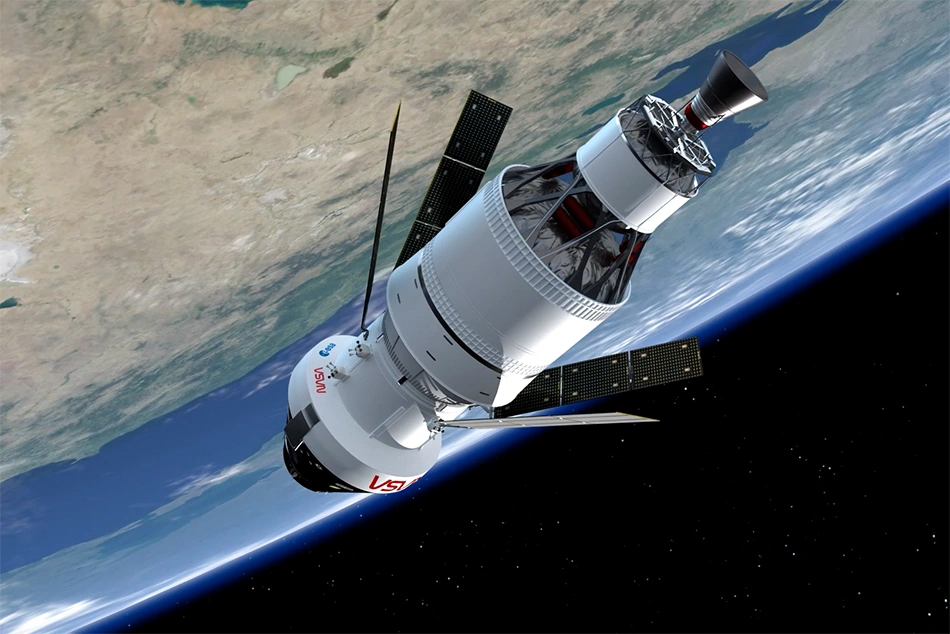
[NASA plans to land the first woman, first person of color, and its first international partner astronaut on the Moon under the agency's Artemis campaign. (NASA/ESA image)]
Cape Canaveral: The Amercian space agency, NASA, has cleared Artemis II Moon Rocket for a launch in April 2026 with four astronauts onboard.
The Artemis II crew should have blasted off on a lunar flyaround earlier this year, but fuel leaks and other problems with the Space Launch System rocket interfered.
NASA confirmed the launch date after completing the latest round of repairs, the Associated Press reported.
The 322-foot (98-meter) rocket will roll out of the hangar and back to the pad next week at Florida’s Kennedy Space Center, leading to a launch attempt as early as April 1, 2026, marking first human trip to Moon in more than 50 years.
The humanity's first Moon Mission was when the United States on July 20, 1969 announced the success of its Apollo 11 Moon Mission, declaring Neil Armstrong and Lunar Module Pilot Buzz Aldrin are the first to land on the lunar surface.
NASA has plans to land the first woman, first person of color, and its first international partner astronaut on the Moon under the agency's Artemis campaign.
Artemis II Flight Readiness Polls
NASA said it completed the agency’s Artemis II Flight Readiness Review on Thursday, March 12, and polled “go” to proceed toward launch.
The American space agency said it is targeting Thursday, March 19, to roll the SLS (Space Launch System) rocket and Orion spacecraft to launch pad 39B in advance of a launch attempt Wednesday, April 1, pending close out of remaining open work.
“It’s a test flight and it is not without risk. But our team and our hardware are ready,” NASA’s Lori Glaze told reporters at the end of the two-day flight readiness review.
Glaze and other NASA officials declined to provide the risk probabilities for the upcoming mission.
History has shown that a new rocket has essentially a 50% chance of success, said John Honeycutt, chair of the mission management team.
There’s so much gap since the only other SLS flight — more than three years ago without anyone on board — that it’s difficult to understand any risk assessment numbers, Honeycutt said.
NASA’s Office of Inspector General warned in an audit this week that the space agency needs to come up with a rescue plan for its lunar crews. Landing near the moon’s south pole will be riskier than it was for the Apollo astronauts closer to the equator given the rough polar terrain, according to the report.
NASA sent 24 astronauts to the Moon during Apollo, 12 of whom landed on it. All but one of the moonshots — Apollo 13 — achieved their prime objectives. The program ended with Apollo 17 in 1972.
Follow ummid.com WhatsApp Channel for all the latest updates.
Select Language to Translate in Urdu, Hindi, Marathi or Arabic