Post-Delivery Food for Mothers: Essential Nutrition for Recovery
Discover the best post-delivery food for mothers, including protein-rich foods, hydration tips, and essential nutrients to support recovery, breastfeeding, and overall postnatal health. Essential Post-Delivery Foods for Indian Mothers
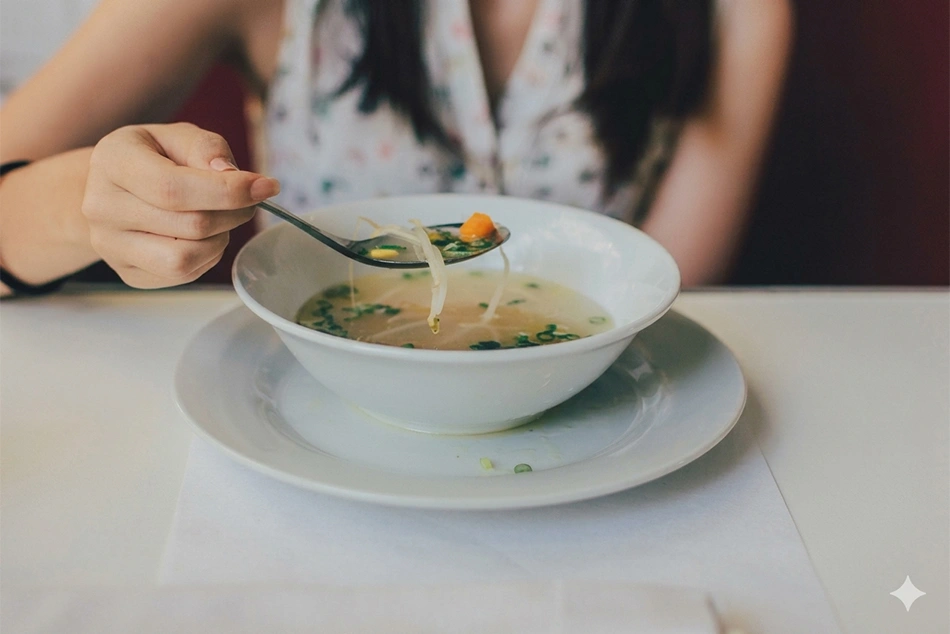
Recovering from childbirth takes time, and nutrition plays an important role in that process. During the weeks after delivery, a mother's body needs adequate nutrients to heal, restore energy levels, and support breastfeeding. Post-delivery food for mothers supports recovery and promotes overall well-being. While many Indian households have traditional postnatal food practices, combining these with a proper diet can help mothers get the nutrition they need during recovery.
Why Nutrition Matters After Delivery
Whether a mother has had a vaginal delivery or a caesarean section, her body needs time and proper nutrition to recover. Blood loss during delivery, physical healing, hormonal changes, and the demands of caring for a newborn can all affect energy levels.
Breastfeeding also increases nutritional requirements. In fact, breastfeeding mothers may need around 450–500 additional calories per day to support milk production. While there is no specific diet that every new mother must follow, healthcare experts recommend eating a variety of nutrient-rich foods to support recovery and overall health. Many women also seek dietary guidance from the best gynaecologist during their postnatal check-ups to ensure they are meeting their nutritional needs while recovering and breastfeeding.
Protein-Rich Foods for Recovery and Strength
After delivery, the body needs extra protein to repair tissues and recover from the physical demands of childbirth. Some protein-rich foods include:
● Lentils
● Paneer
● Eggs
● Milk and yoghurt
● Fish and chicken
● Sprouts
● Nuts and seeds
Simple meals such as dal with rice, vegetables, or curry are nutritious, easy to digest, and suitable for most mothers during recovery.
Indian Foods That Support Postnatal Health
In many Indian households, special foods are prepared for new mothers during the first few weeks after delivery. These recipes are often designed to provide nourishment and energy during recovery. Some of the most common post-delivery foods include:
● Gond laddoos
● Panjiri
● Methi laddoos
● Dry fruit mixtures
● Ajwain water
● Homemade soups
Many of these foods contain ingredients that provide healthy fats, iron, calcium, and calories. While preparations can be beneficial, moderation is important, especially when recipes contain large amounts of sugar or ghee.
Maintaining Iron Levels
Low iron levels can contribute to tiredness and weakness, making it important to include iron-rich foods in daily meals. Some good sources of iron include:
● Spinach and leafy greens
● Dates
● Raisins
● Lentils and beans
● Jaggery
● Lean meats
Calcium is equally important because it supports bone health and plays a role in breastfeeding. Good sources include milk, yoghurt, paneer, ragi, almonds, and sesame seeds.
A nutritious diet should include foods rich in both iron and calcium to support a quick recovery post-delivery.
Staying Hydrated Throughout the Day
Hydration is often overlooked, but it plays an important role in postnatal recovery and breastfeeding. Water should be the primary source of hydration, but mothers can also include:
● Coconut water
● Fresh fruit juices without added sugar
● Buttermilk
● Soups
● Herbal drinks recommended by healthcare professionals
Many mothers find it helpful to keep a bottle of water nearby throughout the day as a reminder to drink regularly.
Fibre-Rich Foods for Better Digestion
Constipation is a common concern after delivery due to hormonal changes, reduced physical activity, and certain medications. Increasing fibre intake can help support healthy digestion and improve bowel movements. Some options for fibre-rich post-delivery food items include:
● Whole grains
● Oats
● Fresh fruits such as apples, pears, and papaya
● Vegetables
● Legumes
Foods to Limit During Recovery
Every woman responds differently to foods after delivery, but it is generally a good idea to limit highly processed and sugary items, such as:
● Sugary beverages
● Processed snacks
● Excessively fried foods
● Foods high in salt
Rather than focusing on restrictions, it is often more beneficial to prioritise fresh, home-cooked meals that provide consistent nourishment and energy throughout the day.
When Professional Guidance Can Help
Nutritional needs can vary from one mother to another. Factors such as breastfeeding, recovery from surgery, dietary preferences, and existing health conditions may influence food choices. If there are concerns about recovery, nutrition, or breastfeeding, it may be helpful to seek professional advice.
Consulting the best gynaecologist in India or a qualified nutrition expert can provide personalised guidance based on individual health needs. Many women also choose to visit a women's care hospital such as BirthRight by Rainbow Hospitals for routine postnatal check-ups. These visits make sure that recovery is progressing well and provide an opportunity to discuss concerns related to nutrition and overall health.
Conclusion
The weeks after childbirth are a time when small daily choices can make a meaningful difference to recovery. Following a balanced diet plan that includes protein, iron, calcium, fibre, and adequate fluids supports healing, maintains energy levels, and meets the nutritional demands of breastfeeding.
Simple home-cooked meals, regular hydration, and a variety of nutrient-rich foods often provide the best foundation for postnatal health. When combined with appropriate medical guidance as needed, these habits can support a smoother recovery and overall well-being.
[Sana Ahmed is Staff Writer at ummid.com.]
Follow ummid.com WhatsApp Channel for all the latest updates.
Select Language to Translate in Urdu, Hindi, Marathi or Arabic