Vande Mataram: BJP, Muslim League on Same Page
When Jinnah had raised the issue in the 1930s, Nehru had stated in a forthright manner that the issue is being raised by communal elements. Same thing is happening now
BJP thrives on identity issues. It uses these issues to polarize the society and to reap electoral benefits from that. So far starting from Babri Mosque-Ram Temple, Cow-beef, Love Jihad and many other types of jihads have been major tools in its hand.
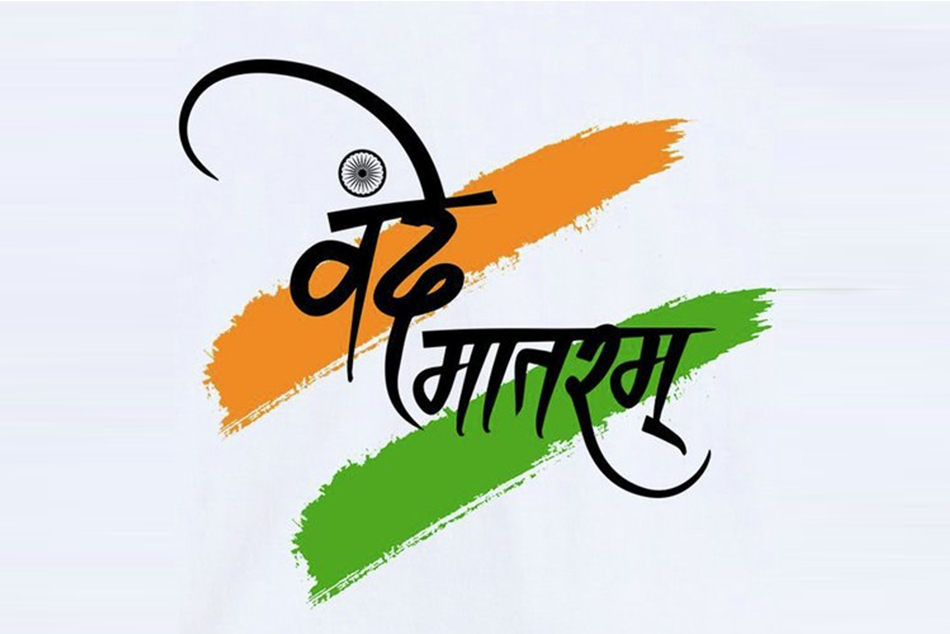
To add on to that one more issue is being brought to the fore, the issue of National Song Vande mataram. On the occasion of 150 Anniversary of this song (7th November 2025) by Bankim Chandra Chatterjee (BCC), a Deputy Collector in the British Government, the issue was manufactured by the ruling dispensation. Modi stated that Congress, Nehru truncated it under pressure from Muslim League (ML). This buckling to the pressure from ML also led to the partition of the country, as per him.
Others from Hindutva right wing joined the chorus. Here in this formulation of his; he not only is raising a non-issue to the Centerstage of politics but is also trying to defame Nehru yet again. Defaming Nehru on every pretext is the consistent goal of this right-wing government. Nehru has also been put to blame for every failure of the Modi Government.
Vande Mataram: A Brief Overview
Vande mataram was written in the 1870s and remained unpublished. It was expanded to few more stanzas and made the part of BCC novel Anand math. This novel of his was written based around the Sanyasi (Hindu ascetic) and Fakir (Muslim ascetic) rebellion. The fakir part of it was hidden in the novel and it was primarily shown as a Sanyasi rebellion against the Muslim ruler. The novel does dream of mosques being replaced by temples and ends with the uprooting of the Muslim king and restoration of British rule.
Ironically Vande mataram did become a political slogan against the British and became a war cry for the various rebellions and actions against British rule. In 1905, when the British divided Bengal on the basis of religion, the massive protests were led with this song and the song ‘Aamar Sonar Bangla Desh’.
The song Vande mataram went on to be very popular all over India and after the formation of State Assemblies it started being sung in these assemblies and some schools. Most of the Assemblies had Congress rule, while Muslim League was ruling only in three states.
When Vande Mataram was truncated
Jinnah in his avatar of the communal leader of ML objected to this song as being Hindu centric, with idolatry in it. Incidentally, opposition to idolatry is not only in Islam but also Arya Samaj sect of Hinduism. This objection of Jinnah came for discussion between Jawaharlal Nehru and Subhashchandra Bose through their letters.
Nehru undertook the advice of Gurudev Rabindranath Tagore, who was a tall literary figure. Gurudev opined that its first two paragraphs are acceptable to all as they are in praise of the mother land. The remaining four paras are in the imagery of Hinduism so they can be dropped.
Since the song had become very popular, there was a serious discussion in the Congress Working Committee on the issue. The CWC resolved:
“These two stanzas (first, added) are in no sense objectionable even from the standpoint of those who have raised objections, and they contain the essence of the song. The Committee recommended that wherever the ‘Vande Mataram’ song is sung at national gatherings, only these two stanzas should be sung, and the version and music prepared by Rabindranath Tagore should be followed. The Committee trusted that this decision will remove all causes of complaint and will have the willing acceptance of all communities in the country.”
Anthem Committee's Decision
The Constituent Assembly’s Anthem Committee with Vallabh Bhai Patel, K.M.Munshi and others considered three songs for this. Sare Jahan se Achchha (Best in the Word) by Mohammad Iqbal, Vande Matram (BBC) and Jan Gan Man (Rabindranath Tagore). Sare Jahan… was ruled out as Iqbal himself had become a strong supporter of Pakistan. First two paras of Vande matram were selected as National song. Jan Gan Man was chosen as the National Anthem. Vande matram and Jan Gan Man both have equal status.
The issue was settled with a great amount of consensus. Why decades after the issue was settled the issue is being raised and such a large amount of time was allotted for discussion of this issue?
Also Read: Debate on Vande Mataram is Reminiscent of Political Immaturity
We know that the country is writhing with pain of deprivations at various levels, poverty, unemployment, pollution, declining standards of public health and education. At this time to bring forth this issue may be having a deeper communal agenda. When Jinnah had raised the issue in the 1930s, Nehru had stated in a forthright manner that the issue is being raised by communal elements. Same thing is happening now. The other stream of communal politics rampaging Indian ethos, values of Constitution and pluralism of the country is doing it now.
Incidentally, the communal stream which is now asking for the full version to be brought in, had never sung this song. This was sung primarily in Indian national Congress meetings. The slogan of Vande matram was raised by those fighting against the British. Since RSS had kept aloof from the freedom movement and helped the British in their efforts of continuing their ‘divide and rule’ policy, they had not sung this song or raised this slogan.
Indian struggle against British rule was multi-religious, multilingual and multi-ethnic. In this women and men both took part to ensure that a united India emerges. Muslim League was asking for Pakistan in Muslim majority areas and Hindu Mahasabha and RSS were working for Hindu nation. The Constituent Assembly in a way represented the aspirations of emerging India. Vande Matram, Jan Gan Man issue was settled by representatives of India, the founding fathers of Indian nationalism.
Those who remained aloof from the freedom movement do not follow the norms of the Indian Constitution. While today they are arguing for this song in full, in their shakhas they did not sing this one. They had their own, Namaste Sada Vatsale Matrabhume (Salute you affectionate motherland). They stuck to their saffron flag; rejecting the tricolour, their faith in the Indian Constitution is for namesake only.
The implications of this song in full will have a lot of negative impact. Non-Hindus singing it in schools and public institutions will lead to dislike from many who already are full of fear of their identity being attacked and are being subjected to humiliation at various levels, due to the domination of identity issues.
[The writer, Ram Puniyani, is Former Professor of IIT Mumbai.]
Follow ummid.com WhatsApp Channel for all the latest updates.
Select Language to Translate in Urdu, Hindi, Marathi or Arabic