PM Cares Fund: The Unanswered Questions
PM CARES remains one of the most debated public initiatives of the pandemic era and continue to remain till the custodians share the transaction details in the public domain, which is less likely to happen for obvious reasons
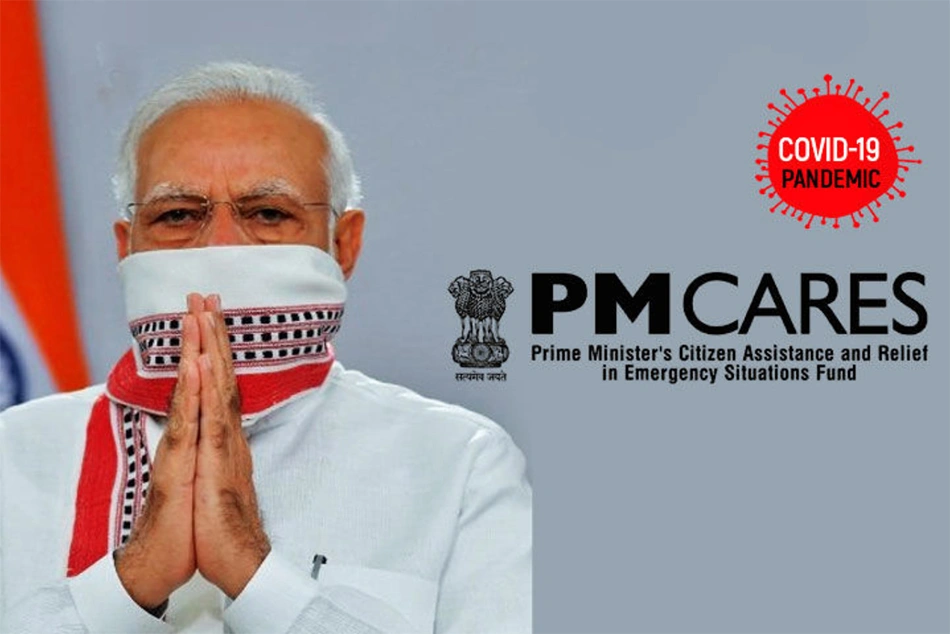
The outbreak of COVID-19 in 2020 brought unprecedented challenges for India and the world. As the pandemic disrupted healthcare systems, economies, and livelihoods, the Government of India announced the creation of the Prime Minister’s Citizen Assistance and Relief in Emergency Situations (PM CARES) Fund. Presented as a dedicated vehicle to mobilize resources for emergency relief, the fund quickly attracted massive public attention and financial support.
Appeals from Prime Minister Narendra Modi and members of the Union Cabinet encouraged citizens, businesses, celebrities, and institutions to contribute generously. Bollywood personalities, corporate houses, Public Sector Undertakings (PSUs), and ordinary citizens donated substantial amounts. The Ministry of Defence also facilitated contributions from personnel of the Army, Navy, Air Force, and employees of the Defence Ministry, with reports indicating that approximately ₹500 crore was collected through one day’s salary donations.
However, what initially appeared to be a national solidarity initiative soon became the subject of intense public debate. Questions emerged regarding its legal status, accountability mechanisms, transparency standards, and oversight structure. While the government has defended PM CARES as an agile, voluntary public charitable trust designed to respond swiftly during emergencies, critics argue that its structure raises serious governance concerns.
The Structure and Funding of PM CARES
Leadership and Administration
PM CARES is chaired by the Prime Minister of India. The Ministers of Defence, Home Affairs, and Finance serve as ex-officio trustees. The trust was established as a public charitable entity with the stated objective of providing assistance during emergencies and disaster situations.
Sources of Funding
The fund receives voluntary contributions from:
- Individual citizens
- Corporations and business entities
- Public Sector Undertakings (PSUs)
- Non-resident Indians and foreign donors
Donations to PM CARES enjoy several benefits:
- 100% tax exemption under the Income Tax Act
- Eligibility as Corporate Social Responsibility (CSR) expenditure
- Exemption from certain restrictions under the Foreign Contribution Regulation Act (FCRA)
These incentives contributed significantly to the rapid accumulation of funds during the pandemic.
The Controversy Begins
Soon after its establishment, concerns arose regarding the legal nature of PM CARES. Although it carried the Prime Minister’s name and was promoted through official government channels, the government maintained that PM CARES was not a government fund but an independent public charitable trust.
This distinction became critical when requests for information were filed under the Right to Information (RTI) Act. The Prime Minister’s Office (PMO) stated that PM CARES did not qualify as a “public authority” under the RTI Act and therefore was not obligated to disclose information sought through RTI applications.
For critics, this position created a contradiction. They argued that while the fund benefited from governmental association and public trust, it remained insulated from the transparency requirements applicable to government institutions.
Key Doubtful Elements of PM CARES
1. Lack of Public Accountability: One of the primary criticisms is the absence of statutory public oversight.Critics point out that:
- The fund is chaired by constitutional office holders.
- Government infrastructure and official communication channels have been used to promote it.
- Yet it is not considered a public authority under RTI.
As a result, citizens cannot compel disclosure regarding donor identities, decision-making processes, or expenditure details through RTI mechanisms.
2. Audit Exemptions: Unlike government funds that are typically audited by the Comptroller and Auditor General of India (CAG), PM CARES is audited by independent private auditors appointed by the trustees.Opponents argue that CAG auditing would provide greater credibility and public confidence, especially considering the scale of funds involved.
3. Questions of Transparency
Critics have repeatedly questioned why detailed information regarding donations and expenditures is not published periodically in a comprehensive and accessible format.
Concerns include:
- Limited disclosure of donor information
- Restricted access to trust documents
- Lack of detailed expenditure breakdowns
- Absence of independent parliamentary scrutiny
Supporters counter that audited reports and expenditure summaries have been publicly released, demonstrating that funds were utilized for pandemic-related relief activities.
Supreme Court’s Position
In 2020, several petitions challenged the legal status of PM CARES and sought the transfer of its funds to the National Disaster Response Fund (NDRF).
The Supreme Court dismissed these petitions, ruling that PM CARES is a public charitable trust funded through voluntary contributions rather than public budgetary allocations. Consequently, it possesses a distinct legal identity and cannot be equated with statutory government funds.
The judgment effectively affirmed the fund’s separate existence while leaving broader debates regarding transparency and accountability to public and political discourse.
Utilization of Funds
According to publicly available reports up to March 2023, PM CARES had reportedly received approximately ₹13,605 crore through donations and accrued interest.
As per source, it was claimed that the funds were allocated for several initiatives, including:
Strengthening Healthcare Infrastructure
- Installation of medical oxygen generation plants
- Procurement of ventilators
- Expansion of emergency healthcare facilities
However, it was alleged that these funds were also used for horse trading post assembly elections to procure MLAs to form the BJP or NDA government.
Political Criticism and Questions Raised
Congress leader and spokesperson Dr. Abhishek Manu Singhvi has been among the most vocal critics of PM CARES.
He has argued that the controversies surrounding the fund reflect deeper concerns regarding transparency and accountability. According to Singhvi, a substantial proportion of contributions came from government-controlled enterprises rather than purely private donors.
He highlighted contributions from major public sector companies such as:
- ONGC
- NTPC
- Power Grid Corporation
- Indian Oil Corporation
- Power Finance Corporation
According to his argument, if government-owned entities constitute a significant share of donations, then public accountability mechanisms should apply to the fund.
Singhvi also questioned whether a similar fund created by a state government would have received the same treatment and exemption from scrutiny.
The Government’s Position
The government has consistently maintained that PM CARES is:
- A voluntary public charitable trust
- Independent of government finances
- Distinct from statutory public funds
- Designed for flexibility and rapid emergency response
Government representatives argue that this structure enabled swift mobilization of resources during an unprecedented crisis and reduced bureaucratic delays.
Supporters contend that the fund’s effectiveness should be judged by its outcomes rather than by assumptions regarding impropriety.
The Debate Over Public and Private Identity
Perhaps the most contentious issue surrounding PM CARES is the apparent overlap between public symbolism and private trust status.
Critics point to several features:
- Use of a “gov.in” domain
- Display of the national emblem
- Use of the Prime Minister’s official designation and photograph
- Association with the Prime Minister’s Office
- Tax benefits similar to government-backed initiatives
At the same time, the government maintains that the fund is not a government fund and therefore falls outside certain statutory accountability frameworks.
This dual character has fueled continuing public debate regarding whether PM CARES should be treated as a public institution or an independent charitable trust.
Conclusion
The PM CARES Fund emerged during one of the most difficult periods in India’s recent history and succeeded in mobilizing substantial financial resources for emergency relief. Its supporters view it as a responsive and efficient mechanism that helped address urgent healthcare and humanitarian needs during the COVID-19 crisis.
However, questions regarding transparency, institutional accountability, auditing standards, and public oversight continue to generate controversy. The debate is not merely about the utilization of funds but about broader principles of governance, constitutional accountability, and public trust.
To sum up, the PM CARES discussion serves as an important case study in balancing emergency responsiveness with transparency and accountability. Whether viewed as a successful relief mechanism or an example of institutional opacity, PM CARES remains one of the most debated public initiatives of the pandemic era and continue to remain till the custodians share the transaction details in the public domain, which is less likely to happen for obvious reasons.
[The writer, Mohd Ziyauallah Khan, is a freelance content writer & editor based in Nagpur. He is also an activist and social entrepreneur, cofounder of the group TruthScape, a team of digital activists fighting disinformation on social media.]
Follow ummid.com WhatsApp Channel for all the latest updates.
Select Language to Translate in Urdu, Hindi, Marathi or Arabic